From humble hovel to backyard office: the surprising evolution of the garden shed
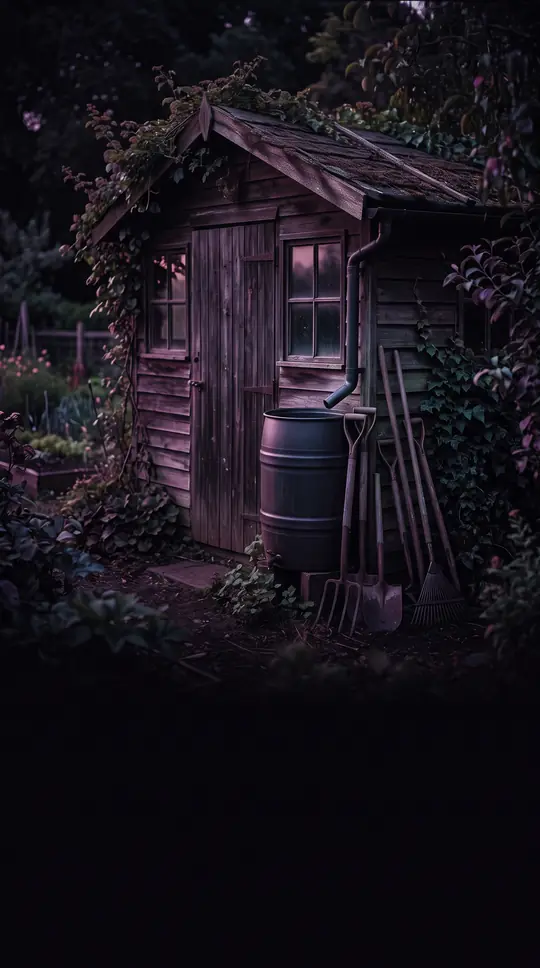
In short: The word shed traces back to 1481, originally describing a simple hovel for keeping livestock. Today, these structures have evolved into sophisticated, multi-purpose spaces. Whether you need a secure workshop, a potting sanctuary, or a remote office, understanding the trade-offs between wood, metal, and plastic is essential for your investment.
The modern shed is a versatile architectural chameleon, defined by the International Building Code as an accessory structure. While their roots lie in simple, protective coverings for animals or tools, their utility has expanded dramatically. Today, they serve as everything from bicycle storage and railway engine depots to high-end garden offices. This evolution reflects a shift in how we view outdoor space, transforming what was once a purely functional outbuilding into a potential extension of the home.
Material choice remains the most critical decision for any owner. Metal sheds, often made from galvanised steel or corrugated iron, offer excellent fire and termite resistance but can be prone to rust and denting. Plastic and vinyl-sided options provide a low-maintenance, rot-proof alternative, with vinyl-sided models combining the structural strength of a wood frame with weather-resistant siding. Meanwhile, wood remains the gold standard for those seeking customisation; its ability to be easily modified with standard carpentry tools allows for the addition of windows, shelving, or decorative trim.
For wooden structures, the method of preservation dictates longevity. Dip-treated timber is affordable and common, though it requires regular re-coating to maintain its 10-year anti-rot guarantee. In contrast, pressure-treated timber undergoes a vacuum-sealed process that forces preservatives deep into the grain, offering superior weather protection and a 15-year guarantee. Ultimately, whether you choose a simple pent-roof design for a tight space or a grand apex-roofed structure with electrical outlets, the modern shed is no longer just a place to hide clutter—it is a space to be curated.
Beyond the materials, the design itself serves specific needs. Features like gambrel-style roofs can maximise loft storage, while reverse apex designs improve accessibility by placing the door on the wider side. As municipal bylaws increasingly regulate these structures, understanding your local requirements is as important as choosing the right roofline or foundation. Whether you are protecting firewood or building a workspace, the humble shed remains a testament to human ingenuity in organising our environments.
Opens the Intellect+ feed with this card first. Swipe up for the next one.
Sources
- Summary by Intellect · source: Shed
To cite this card, link to https://intellectplus.co.uk/app/gardening-shed.
How we source, check and correct cards: Editorial standards.
General information, not professional advice. Spotted an error? Flag the card or see corrections and complaints.
Intellect Plus is a visual educational discovery platform for exploring fascinating facts and ideas. Brain Food, Not Brain Rot. What is Intellect Plus?
Related
More in Agriculture · More in Gardening · Latest · A–Z · All topics
