Silviculture is the precise art of managing forest growth to secure our timber needs.
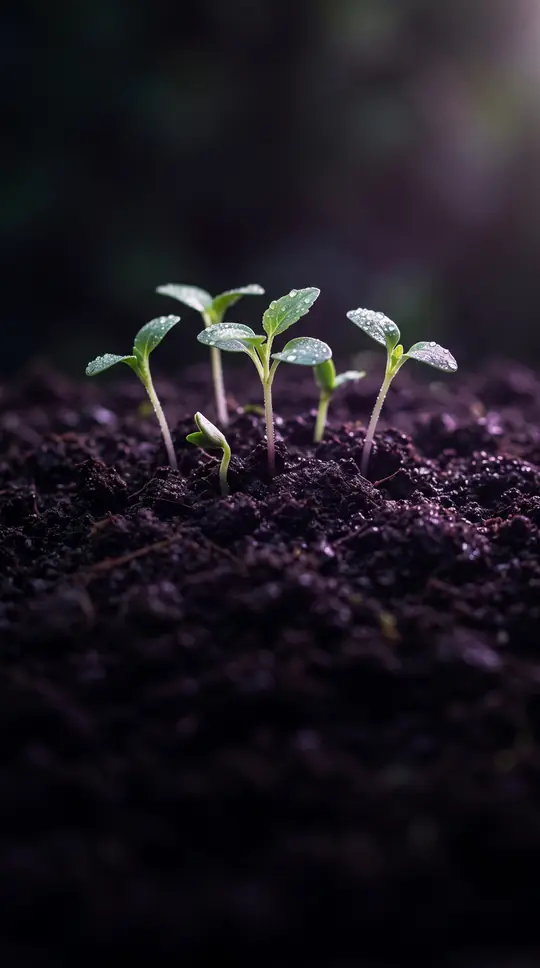
In short: Silviculture is more than just forestry; it is the applied science of controlling the establishment, composition, and health of forest stands. By mastering the life history of trees and manipulating their environment, silviculturists ensure forests remain productive, whether through natural regeneration or the careful, scientific cultivation of new planting stock.
At its core, silviculture is the commercial practice of managing forest crops at the stand level. Unlike broader forestry, which may encompass conserved or natural lands, silviculture relies on specific treatments—harvesting, regeneration, and tending—to improve productivity. This discipline is rooted in silvics, the study of how trees grow and interact with their environment. While traditional systems originated in German-speaking Europe, such as high forest or coppice methods, these are not rigid blueprints. They are flexible rules of thumb that must be adapted to local ecology, soil conditions, and climate.
Regeneration is the foundation of this practice, ensuring the continuation of forests. This can occur naturally through self-sown seeds or artificially via planting. Success depends heavily on the seedbed; for instance, undisturbed forest floors with decayed wood often provide superior conditions for spruce germination compared to mineral soil, which is prone to frost heaving. Silviculturists must also account for microclimates—aspect, light, and moisture—which dictate whether a seedling survives or succumbs to lethal stress. In some cases, such as in northern Europe, specialized cutting patterns are used to protect young trees from the harsh sun and wind.
Artificial regeneration offers more control, allowing for the deployment of superior tree genetics. This process involves rigorous seed management, including viability testing via methods like the fluorescein diacetate test, and precise dewinging procedures to clean seeds. To ensure long-term success, foresters use seed zones to prevent climatic maladaptation, ensuring that the chosen genotype is suited to the planting site. Whether through natural or artificial means, the silviculturist’s goal is to balance these complex biological variables to maintain a healthy, productive, and sustainable forest landscape.
Opens the Intellect+ feed with this card first. Swipe up for the next one.
Sources
- Summary by Intellect · source: Silviculture
- Also: www.britannica.com — Silviculture | forestry | Britannica
To cite this card, link to https://intellectplus.co.uk/app/gardening-silviculture.
How we source, check and correct cards: Editorial standards.
General information, not professional advice. Spotted an error? Flag the card or see corrections and complaints.
Intellect Plus is a visual educational discovery platform for exploring fascinating facts and ideas. Brain Food, Not Brain Rot. What is Intellect Plus?
Related
More in Agriculture · More in Gardening · Latest · A–Z · All topics
