The Spanish garden is a masterclass in cooling a sun-drenched landscape through ancient design
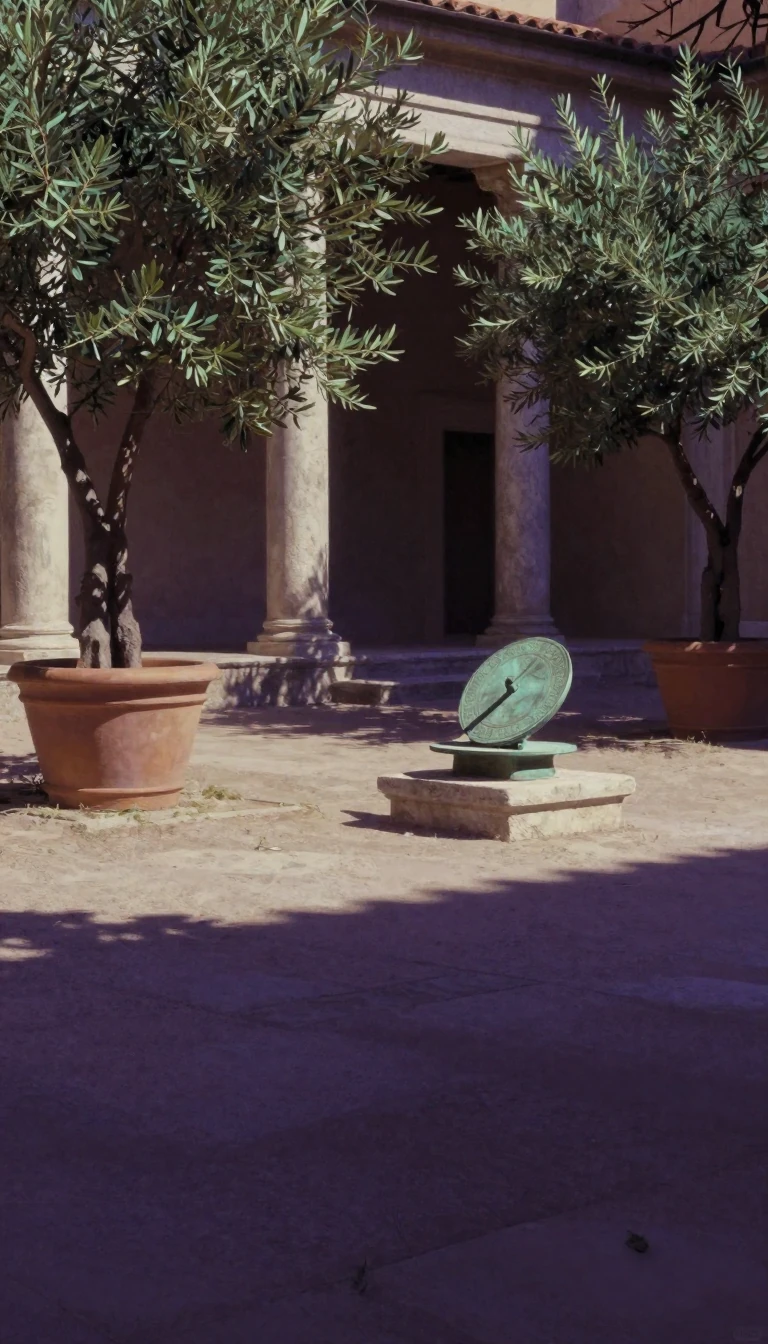
In short: Far beyond simple aesthetics, the traditional Spanish garden functions as a sophisticated climate-control system. By blending ancient Persian, Roman, and Moorish influences, these walled sanctuaries transform intense heat into a sensory haven of shade, humidity, and flowing water, proving that architectural elegance can be a practical solution to survival.
The traditional Spanish garden, particularly the style rooted in the Al-Andalus era, is defined by its ability to mitigate the harsh Iberian sun. Central to this design is the paradise garden model, which utilizes a cross-axis layout oriented to the cardinal directions. This structure is not merely symbolic; it incorporates long water channels or rills that act as cooling agents, reflecting light and providing essential humidity to the enclosed courtyard space. By walling these gardens off, designers create a microclimate that shields inhabitants from the heat, a necessity in the southern regions of Spain.
Beyond water, the garden relies on structural elements to manage temperature. Arcades, pergolas, and trellising provide critical shade, while the extensive use of ceramic tiles serves both decorative and functional purposes. These tiles are integrated into water features, seating, and paving, offering a cool, tactile surface that contrasts with the arid climate. The resulting aesthetic is one of symmetrical simplicity, where the sound of moving water and the presence of fragrant plants create a refreshing sensory experience that has persisted through centuries of development.
The evolution of these spaces reflects Spain's complex history, moving from the Moorish influence seen in the Alhambra and Generalife to the post-Reconquista Mudéjar designs of the Alcázar of Seville. Later periods, including the Renaissance and Baroque, introduced royal projects like the Royal Palace of La Granja de San Ildefonso, while the 19th and 20th centuries brought civic-minded developments such as Park Güell and the public spaces for the 1992 Barcelona Olympics. Today, many of these historic sites are protected under the Jardín histórico designation, ensuring that the legacy of these ingenious, climate-responsive landscapes remains preserved for future generations to study and enjoy.
Opens the Intellect+ feed with this card first. Swipe up for the next one.
Sources
- Summary by Intellect · source: Spanish garden
To cite this card, link to https://intellectplus.co.uk/app/gardening-spanish-garden.
How we source, check and correct cards: Editorial standards.
General information, not professional advice. Spotted an error? Flag the card or see corrections and complaints.
Intellect Plus is a visual educational discovery platform for exploring fascinating facts and ideas. Brain Food, Not Brain Rot. What is Intellect Plus?
Related
More in Agriculture · More in Gardening · Latest · A–Z · All topics
