The diverse Vaccinium genus includes everything from common blueberries to mysterious tropical epiphytes
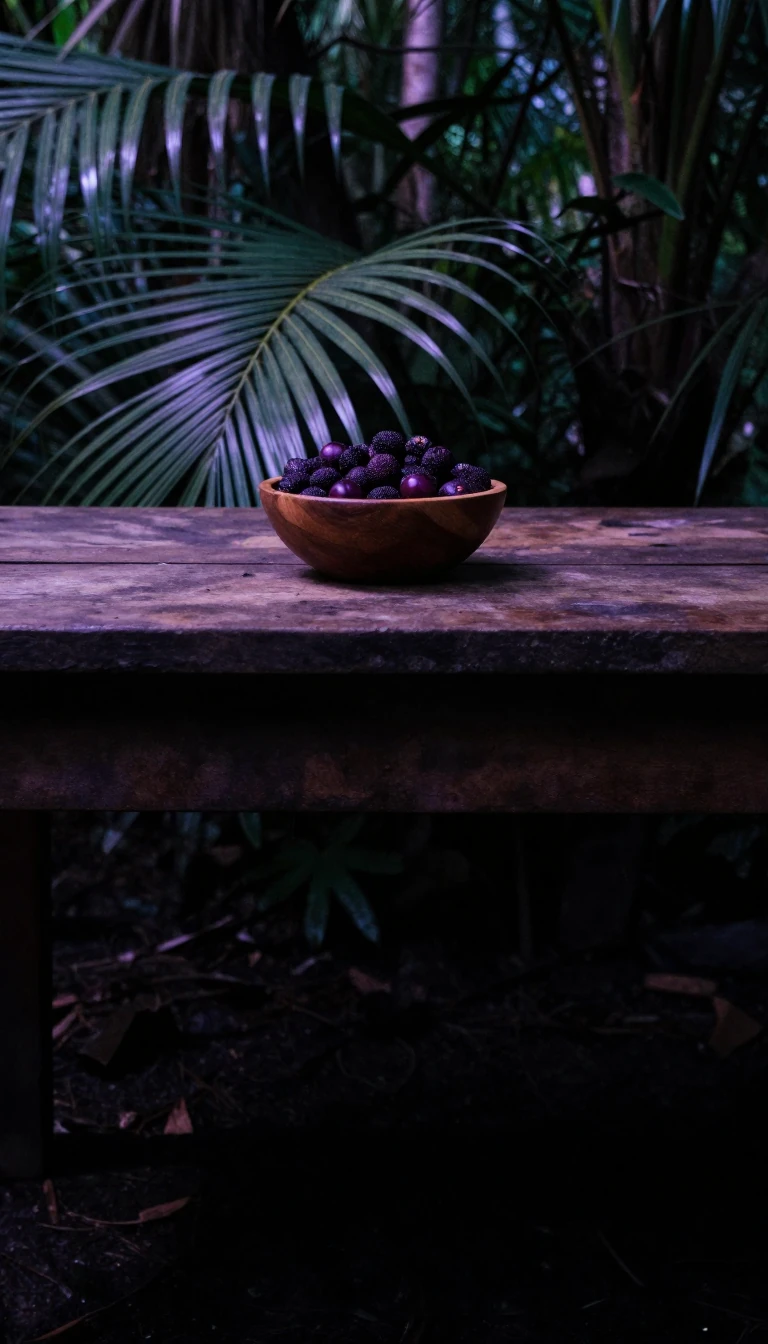
In short: From the familiar blueberry in your morning bowl to wild cranberries and huckleberries, the Vaccinium genus is a global powerhouse of edible fruit. These shrubs, which thrive in acidic, nutrient-poor soils, are surprisingly complex, with a taxonomy that continues to challenge botanists and defy simple classification.
The genus Vaccinium, first scientifically described by Carl Linnaeus in 1753, encompasses about 450 species of shrubs and dwarf shrubs. While often associated with the cooler regions of the Northern Hemisphere, these plants are remarkably widespread, appearing in diverse habitats ranging from heath and bogs to tropical mountain ranges in places like Madagascar and Hawaii. Their structural diversity is equally vast; some species trail along the ground, while others grow as shrubs up to 2 metres tall, and certain tropical varieties even grow as epiphytes.
A defining feature of the genus is its reliance on acidic, nutrient-poor soils. To survive in these challenging environments, Vaccinium species have evolved mycorrhizal roots that assist in nutrient uptake, particularly nitrogen and phosphorus. They are also highly resilient, often demonstrating fire-adaptation by re-sprouting from underground rhizomes after low-intensity burns. Their reproductive success is tied to specialized floral structures; the flowers feature fused petals and anthers with tube-like 'awns' that release pollen only when triggered by the vibrations of bees, a process known as buzz pollination.
The taxonomy of Vaccinium remains a subject of intense scientific investigation. Genetic analyses suggest the genus is not monophyletic, meaning it does not descend from a single common ancestor. Some Asian species are more closely related to the genus Agapetes, while other groups overlap with genera like Gaylussacia. Because of these findings, researchers are currently debating whether to expand the genus to include the entire tribe Vaccinieae or to dismantle it into several smaller, distinct genera. This ongoing work highlights how much remains to be discovered, as new species are still being identified in regions like the Andes.
Cultivation of these plants is a relatively modern endeavor. Commercial blueberry breeding, spearheaded by Frederick Coville around the turn of the 20th century, relied heavily on cross-breeding wild relatives. Despite his extensive efforts to produce new cultivars, Coville famously remarked that the flavor profiles of his creations were remarkably similar. Today, these plants continue to play a vital ecological role, providing essential nourishment for birds, butterflies, moths, and large mammals like the grizzly bear.
Opens the Intellect+ feed with this card first. Swipe up for the next one.
Sources
- Summary by Intellect · source: Vaccinium
- Also: Vaccinium | Blueberry, Cranberry & Huckleberry | Britannica
- Also: www.rhs.org.uk — Vaccinium corymbosum (F) | blueberry
To cite this card, link to https://intellectplus.co.uk/app/gardening-vaccinium.
How we source, check and correct cards: Editorial standards.
General information, not professional advice. Spotted an error? Flag the card or see corrections and complaints.
Intellect Plus is a visual educational discovery platform for exploring fascinating facts and ideas. Brain Food, Not Brain Rot. What is Intellect Plus?
Related
More in Plants · More in Gardening · Latest · A–Z · All topics
