The ancient Australian grasstree can live for centuries and thrives on bushfire destruction
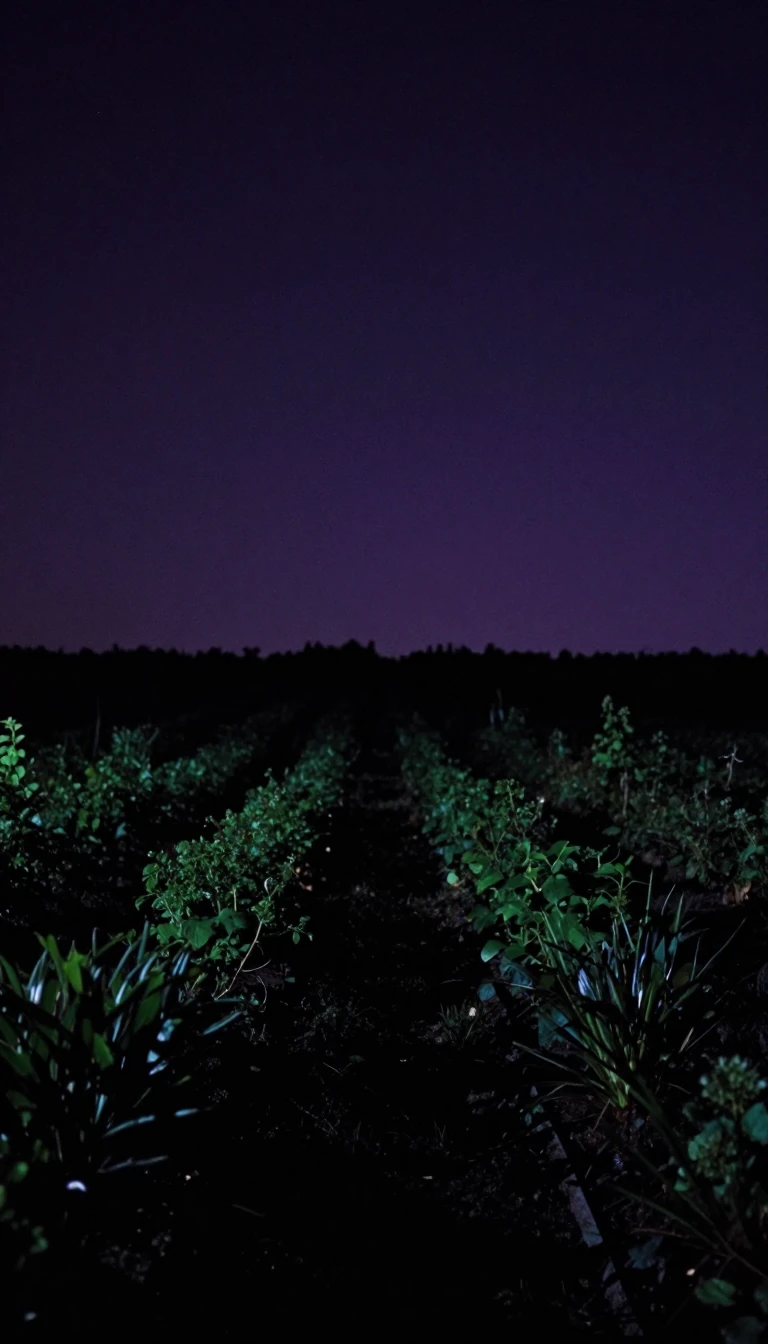
In short: Endemic to Australia, the Xanthorrhoea is a slow-growing perennial that defies harsh, nutrient-poor soils. These iconic plants rely on symbiotic fungi to survive and often require the intense heat of a wildfire to trigger their spectacular flowering spikes, making them a resilient symbol of the rugged Australian bush.
The genus Xanthorrhoea, comprising about 30 species, is uniquely adapted to the Australian landscape. These plants are defined by their slow growth, with some species advancing only 0.8 to 6 centimetres per year. Because of this, a five-metre-tall specimen could be anywhere from 200 to 600 years old, depending on the specific species. Their survival strategy is remarkable: they possess a secondary thickening meristem and a shallow root system that extracts nutrients from decaying litter, while storing vital food reserves within their trunks.
Fire is not a threat to the grasstree but a catalyst for its life cycle. The plant’s thick, dead leaves act as thermal insulation, protecting the inner stem from the intense heat of wildfires. Following a burn, the plant utilizes ash-fertilized soil to produce a long flowering spike, which can reach over four metres in length. This flowering process is often stimulated by the fire itself, highlighting an evolutionary history that predates many other flowering plants.
Beyond their ecological resilience, these plants have been an invaluable resource for Aboriginal peoples for generations. The resin is a potent adhesive used for tool-making and repairing water containers, while the flowering stalks have served as spear handles and fire-starting tools. Historically, this resin was also commercially exploited until the mid-twentieth century for varnishes, polishes, and industrial manufacturing. Today, while they are popular in gardens, they are notoriously difficult to transplant, often failing due to overwatering or the destruction of their delicate mycorrhizal fungal relationships.
The naming of the genus reflects its history and utility. Named by Smith in 1798, the term Xanthorrhoea is derived from Ancient Greek words meaning 'yellow-flow,' a nod to the resin it produces. While often called 'grasstrees' or 'black boys'—a term now recognized as racially insensitive—they are known by various Indigenous names across Australia, such as balga in Western Australia and yamina in Tasmania, each reflecting the deep cultural significance these plants hold within their respective regions.
Opens the Intellect+ feed with this card first. Swipe up for the next one.
Sources
- Summary by Intellect · source: Xanthorrhoea
To cite this card, link to https://intellectplus.co.uk/app/gardening-xanthorrhoea.
How we source, check and correct cards: Editorial standards.
General information, not professional advice. Spotted an error? Flag the card or see corrections and complaints.
Intellect Plus is a visual educational discovery platform for exploring fascinating facts and ideas. Brain Food, Not Brain Rot. What is Intellect Plus?
Related
More in Plants · More in Gardening · Latest · A–Z · All topics
