How a common mucolytic became a vital shield against liver-destroying drug overdoses
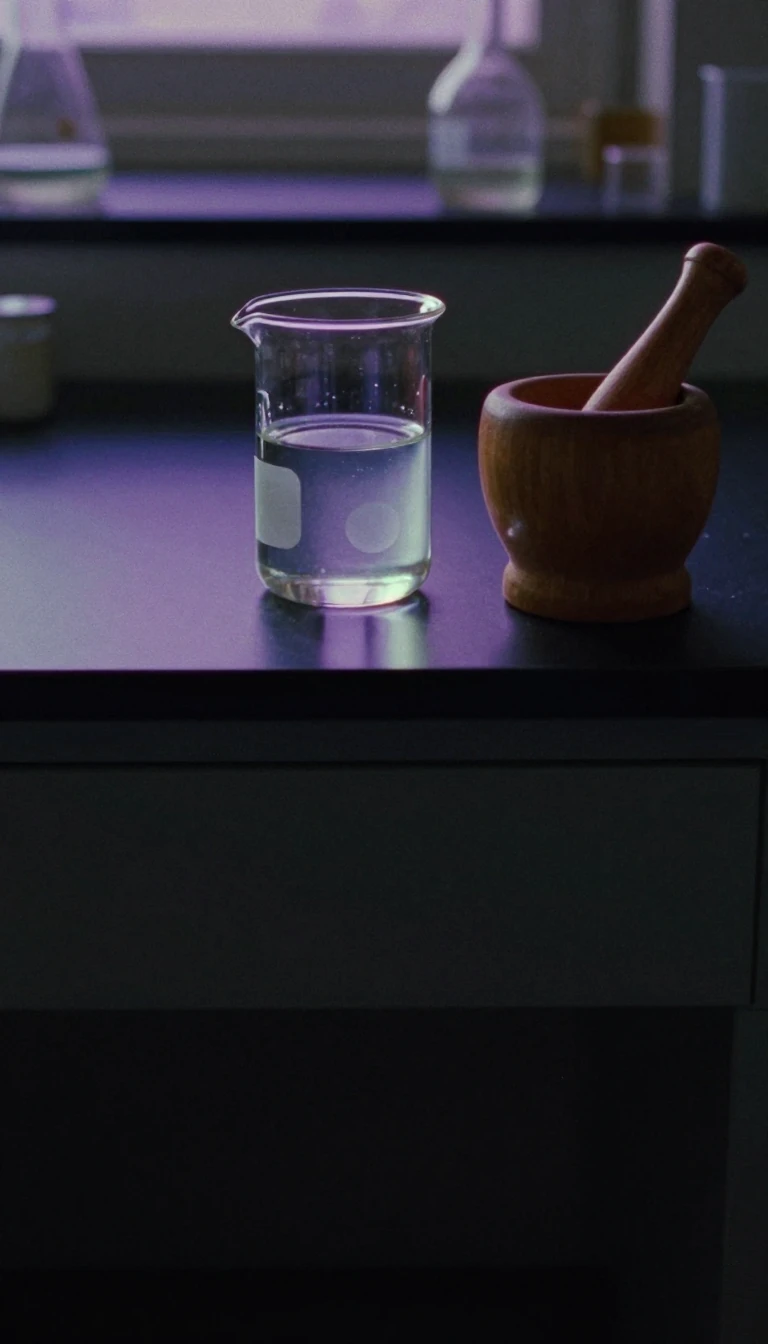
In short: Originally patented in 1960 to clear thick mucus, acetylcysteine—or NAC—has evolved into a critical medical tool. Beyond its respiratory uses, it serves as a life-saving antidote for paracetamol poisoning by replenishing the liver's depleted antioxidant stores. Its journey from a simple inhalant to an essential medicine is a story of biochemical ingenuity.
Acetylcysteine functions primarily as a prodrug to L-cysteine, a vital precursor for the body's production of glutathione. Glutathione is a powerful antioxidant that neutralizes toxic metabolites, specifically N-acetyl-p-benzoquinone imine (NAPQI), which accumulates when paracetamol is consumed in excessive quantities. Without intervention, NAPQI reacts with hepatic enzymes, causing severe liver necrosis and potential failure. By maintaining or replenishing glutathione reserves, acetylcysteine effectively protects liver cells from this chemical damage.
The clinical application of NAC has seen significant evolution. While initially used as a mucolytic to break down disulfide bonds in thick mucus, its role in overdose treatment was solidified after researchers identified the mechanism of paracetamol hepatotoxicity in 1974. Although oral and intravenous formulations are now considered roughly equally effective, they differ in administration and side effects. Oral versions suffer from low bioavailability—between 6% and 10%—due to first-pass metabolism, whereas intravenous delivery ensures nearly 100% bioavailability. However, intravenous use carries a risk of anaphylactoid reactions, which can occur even when paracetamol levels are not yet toxic.
Beyond its role in emergency medicine, NAC is being explored for its potential to modulate neurological pathways. Because it is a precursor to glutathione and cystine, it influences glutamate release and may modulate various receptors, including NMDA and AMPA. Furthermore, recent research suggests it acts as a rapid antioxidant by converting into hydrogen sulfide and hydropersulfides, a process independent of glutathione elevation. While its use as a dietary supplement has faced regulatory scrutiny—leading to temporary removals from major retail platforms—its versatility continues to spark interest in fields ranging from dermatology to the treatment of chronic obstructive pulmonary disease.
Opens the Intellect+ feed with this card first. Swipe up for the next one.
Sources
- Summary by Intellect · source: Acetylcysteine
To cite this card, link to https://intellectplus.co.uk/app/health-acetylcysteine.
How we source, check and correct cards: Editorial standards.
General information, not professional advice. Spotted an error? Flag the card or see corrections and complaints.
Intellect Plus is a visual educational discovery platform for exploring fascinating facts and ideas. Brain Food, Not Brain Rot. What is Intellect Plus?
Related
More in Health, medicine and disease · More in Health · Latest · A–Z · All topics
