Highly Pathogenic Avian Influenza is reshaping global wildlife populations and challenging our biosecurity
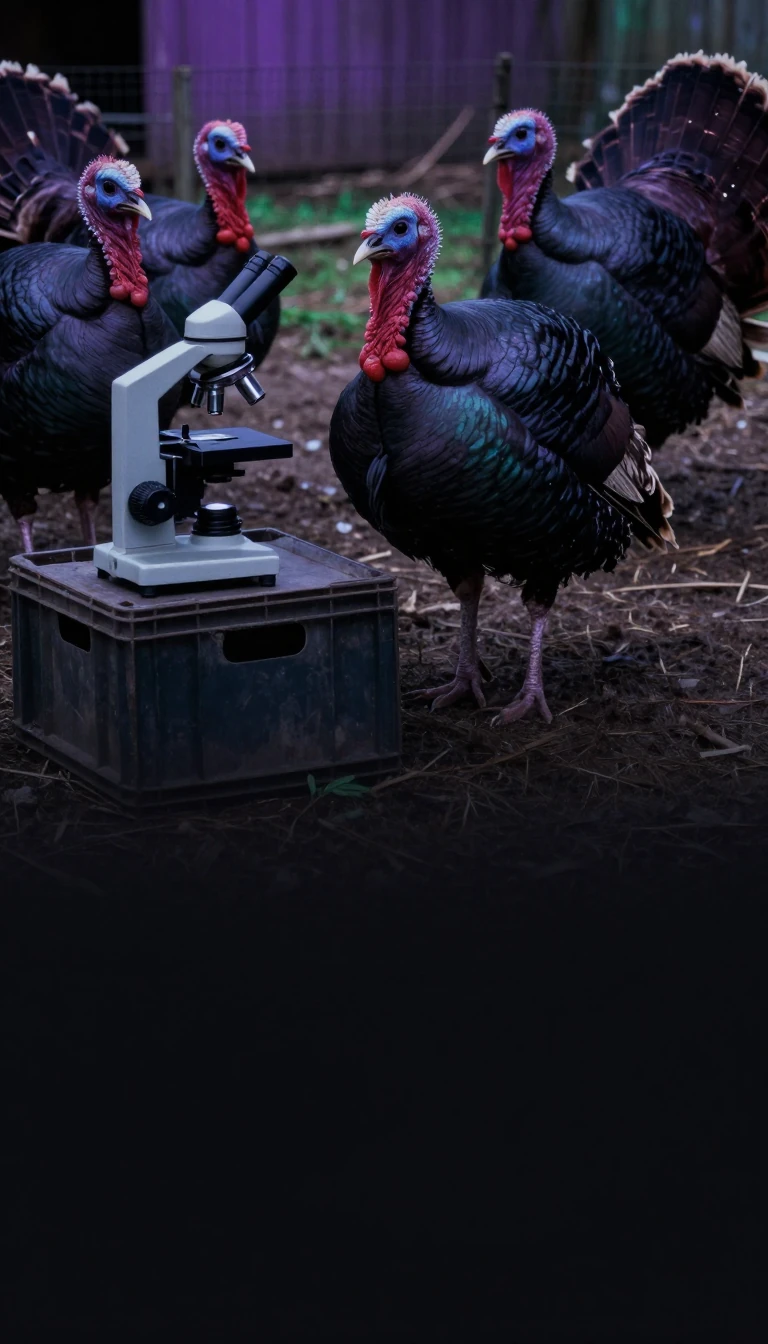
In short: Bird flu has evolved from a poultry-focused concern into a global wildlife crisis. While human infections remain rare, the virus is now devastating wild bird populations and crossing into new mammalian species. Understanding how this pathogen moves through ecosystems is essential as we navigate an era of unprecedented outbreaks.
Originating in Asian intensive poultry farming in 1996, Highly Pathogenic Avian Influenza (HPAI) has since transformed into a global threat. Unlike low-pathogenic strains that often cause minimal illness, HPAI is characterized by severe disease and high mortality rates. Since the summer of 2021, the UK has experienced its largest series of outbreaks, impacting at least 78 distinct bird species. The virus spreads through contact with infected animals, their waste, or contaminated environments, and is subsequently carried across continents by migrating wild birds.
The ecological toll has been profound. In the UK, the virus decimated seabird colonies, including the loss of over 2,500 Great Skuas in Scotland and more than a quarter of the Roseate Terns on Coquet Island. Breeding populations of Barnacle Geese were also hit hard, with thousands of deaths recorded on the Solway Firth and Islay. Because many seabirds are long-lived and have slow reproductive rates, these losses create a recovery deficit that is difficult to overcome, especially when compounded by existing pressures like climate change and food scarcity.
The virus is also expanding its host range. Recent global reports confirm infections in various mammals, including foxes, cats, minks, and dairy cows in the United States. While human-to-human transmission has not been identified, human infections can occur following close contact with sick animals or contaminated settings. Public health authorities emphasize that the risk to the general public remains low, provided that individuals avoid contact with dead or sick wildlife and adhere to standard food safety practices, such as consuming only pasteurized milk and properly cooked poultry products.
Current efforts to manage the crisis involve intensive monitoring, scientific research, and the development of national response plans. Conservation organizations are working to build resilience in wild bird populations by protecting prey species and reducing environmental stressors. As the virus continues to circulate globally—recently reaching the Antarctic region—the focus remains on surveillance and minimizing human exposure to prevent the virus from establishing a more significant foothold in human populations.
Opens the Intellect+ feed with this card first. Swipe up for the next one.
Sources
- Summary by Intellect · source: Avian Flu / Bird Flu Updates
- Also: Influenza: Avian
- Also: Avian influenza
To cite this card, link to https://intellectplus.co.uk/app/health-avian-influenza.
How we source, check and correct cards: Editorial standards.
General information, not professional advice. Spotted an error? Flag the card or see corrections and complaints.
Intellect Plus is a visual educational discovery platform for exploring fascinating facts and ideas. Brain Food, Not Brain Rot. What is Intellect Plus?
Related
More in Morbidity · More in Health · Latest · A–Z · All topics
