Why the H5N1 virus is considered the world's most significant pandemic threat today
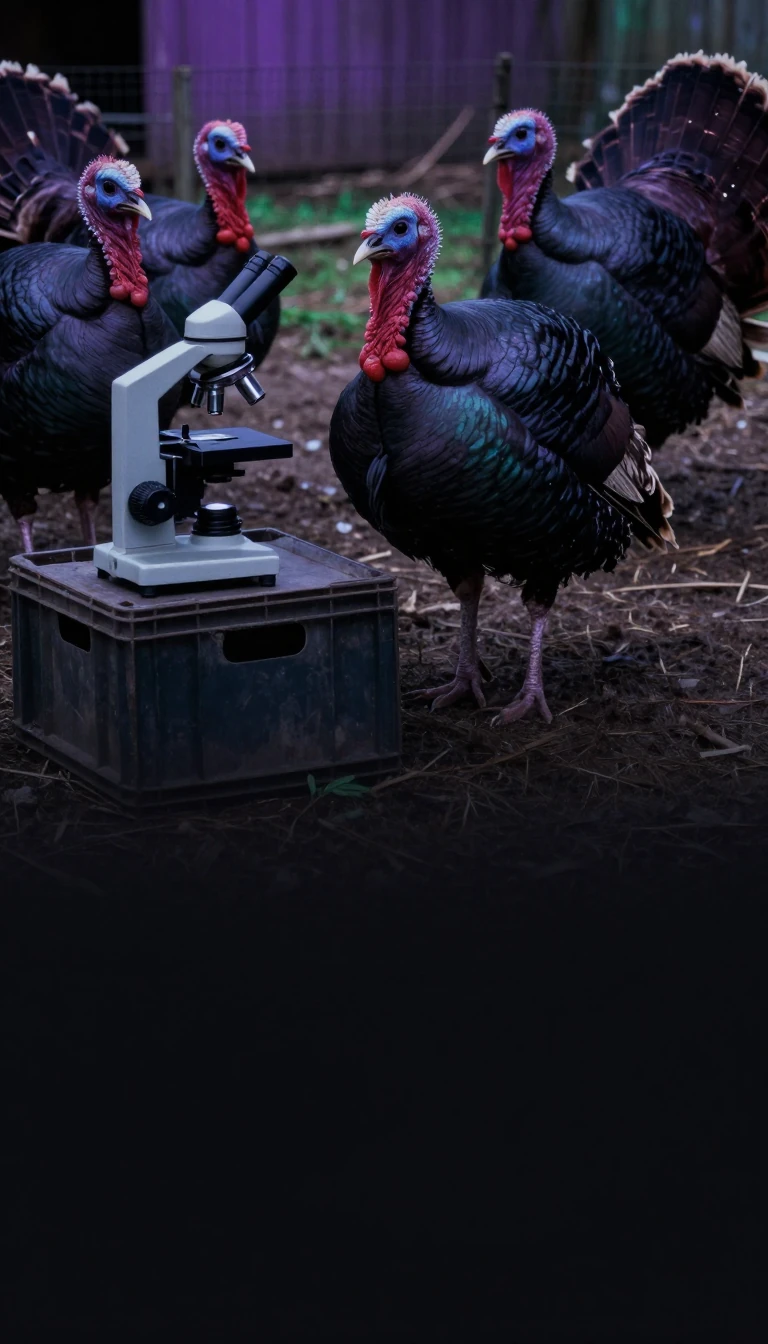
In short: Influenza A(H5N1) is a highly adaptable virus that has evolved from a poultry-specific pathogen into a global concern. By jumping between wild birds, domestic livestock, and occasionally humans, this subtype demonstrates a dangerous capacity for mutation, forcing health agencies worldwide to monitor its genetic shifts with extreme vigilance.
Influenza A viruses are categorized by two surface proteins: hemagglutinin (HA) and neuraminidase (NA). The H5N1 subtype specifically features the fifth HA protein and the first NA protein. While wild aquatic birds serve as the primary natural reservoir for these viruses, H5N1 has demonstrated a unique ability to circulate across diverse species, including poultry, swine, and even mammals like dairy cows. Genetic lineages of these viruses are often defined by the geographic region where they were initially detected, allowing researchers to track their evolution and spread as they migrate across continents.
The severity of an influenza infection is measured by its pathogenicity in laboratory chickens. Highly Pathogenic Avian Influenza (HPAI) strains can cause mortality rates reaching 90% to 100% in poultry, often within 48 hours. However, these clinical designations do not necessarily predict how the virus behaves in other species. For instance, while HPAI H5N1 is devastating to chickens, ducks can carry the virus without showing any outward signs of illness. This asymptomatic carriage in certain species facilitates the rapid, silent spread of the virus through migratory pathways.
Human infections with H5N1 remain rare, but they are taken seriously due to the virus's potential to cross the species barrier. The virus typically binds to specific receptors found in the lower human respiratory tract, which can lead to severe complications like viral pneumonia. Although human-to-human transmission is currently limited, the virus is constantly mutating. Researchers have identified that even single genetic changes could theoretically alter the virus's receptor preference, potentially increasing the risk of sustained transmission between people. Consequently, global health organizations maintain rigorous surveillance of animal-to-human exposures to detect any shifts in the virus's behavior early.
Opens the Intellect+ feed with this card first. Swipe up for the next one.
Sources
- Summary by Intellect · source: Avian Influenza Type A
- Also: Influenza A virus subtype H5N1
- Also: Influenza A Virus H5N1 Subtype: Resurgent Interspecies and Intercontinental Transmission, and a New Host
To cite this card, link to https://intellectplus.co.uk/app/gardening-influenza-a-virus-subtype-h5n1.
How we source, check and correct cards: Editorial standards.
General information, not professional advice. Spotted an error? Flag the card or see corrections and complaints.
Intellect Plus is a visual educational discovery platform for exploring fascinating facts and ideas. Brain Food, Not Brain Rot. What is Intellect Plus?
Related
More in Viruses · More in Gardening · Latest · A–Z · All topics
