The Big Thicket: A biological crossroads of 2 to 3 million acres
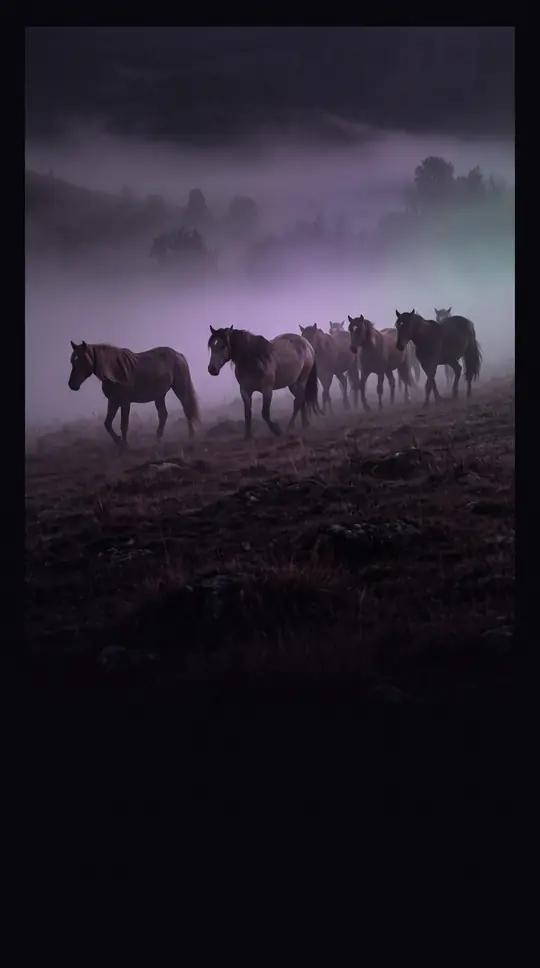
In short: Imagine a landscape where southeastern swamps, central plains, and dry sandhills collide. This isn't just a forest; it is an American ark. The Big Thicket of Texas serves as a biological crossroads, hosting one of the most diverse assemblages of species on Earth.
The Big Thicket is a transition zone of immense ecological scale, covering between 809,371 and 1,214,056 hectares (roughly 2 to 3 million acres). Its unique geography allows for a staggering coexistence of life. Around 1,320 vascular plant types, 60 mammals, plus 86 reptiles and amphibians, inhabit this area. It is particularly notable for its invertebrate diversity, containing nearly 1,800 species of butterflies, moths, and skippers, as well as 400 species of mushrooms. The region contains 97 different fish species. It also houses 34 distinct types of freshwater mussels. Biologists have identified up to eleven different ecosystems within this area.
The area's vitality is fueled by a long growing season of around 246 days and an average annual rainfall of 54 inches. This climate supports a complex mosaic of habitats, including pine savannas, deciduous forests, and coastal marshes. It is home to four of the five known types of carnivorous plants in the United States, along with a wide array of fauna ranging from alligators and roadrunners to historical residents like bison and jaguars. The landscape features unique elements like cactus and orchids. It also includes beech trees and bald cypress trees. This habitat extends into the neighboring state of Louisiana.
Human history in the region is deeply layered. While records of nomadic Native American presence exist, the area saw significant settlement by emancipated people after 1865 who used the woods for homesteading and foraging. The forest faced dramatic reduction due to logging and the oil industry in the 19th and 20th centuries, prompting conservation efforts as early as the 1920s. Today, the region balances a growing human population and tourism-based economy with the need for sustainable preservation. The East Texas Big Thicket Association was founded by Richard Elmer Jackson. The National Park Service established the preserve in 1974. The area is recognized as a UNESCO biosphere reserve.
Opens the Intellect+ feed with this card first. Swipe up for the next one.
Sources
- Summary by Intellect · source: Big Thicket
- Also: Big Thicket
To cite this card, link to https://intellectplus.co.uk/app/health-big-thicket.
How we source, check and correct cards: Editorial standards.
General information, not professional advice. Spotted an error? Flag the card or see corrections and complaints.
Intellect Plus is a visual educational discovery platform for exploring fascinating facts and ideas. Brain Food, Not Brain Rot. What is Intellect Plus?
Related
More in Ecology · More in Nature · Latest · A–Z · All topics
