 Intellect Plus
Nature
Animals, plants, oceans and ecosystems: wildlife behaviour, evolution, weather and the living planet.
11,198 cards. Each one is a 40-second story with a five-minute read behind it.
Biggest areas: Organisms · Vertebrates · Physical geography · Animal behaviour · Ecology · Geology · Conservation · Earth science
Subtopics
 Organisms1,800 cards
 Vertebrates1,006 cards
 Physical geography914 cards
 Animal behaviour628 cards
 Ecology514 cards
 Geology511 cards
 Conservation376 cards
 Earth science370 cards
 Endangered species352 cards
 Dinosaurs254 cards
 Arthropods225 cards
 Air163 cards
 Zoology138 cards
 Botany136 cards
- Animal breeds and hybrids112 cards
- Predators106 cards
 Reptiles & amphibians71 cards
 Earth science basics62 cards
 Geomorphology62 cards
 UK & Ireland: nature62 cards
 Water58 cards
 Mollusks55 cards
 Migration39 cards
 Bilateria, others32 cards
 Birds32 cards
 Big cats31 cards
 Mammals31 cards
 Primates30 cards
 Spiders & arachnids28 cards
 Insects26 cards
 Ecosystems24 cards
- Researched23 cards
- Extinct animals21 cards
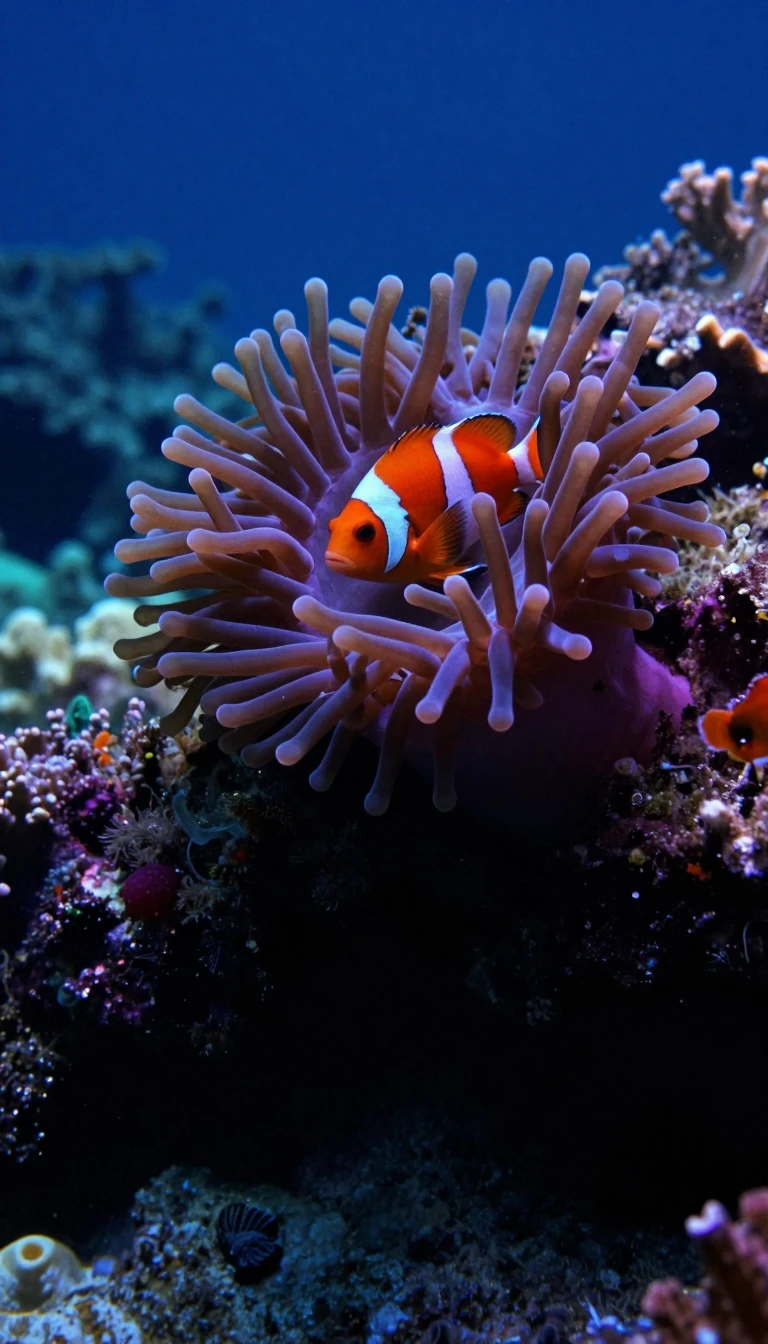 Coral reefs20 cards
- Symbiosis18 cards
 Cnidarians17 cards
 Earth science and physical geography17 cards
- Sharks & rays16 cards
 Whales & dolphins16 cards
 Fish15 cards
- Trees15 cards
- Plants14 cards
 Weather13 cards
- Echinoderms12 cards
- Marsupials12 cards
 Earthquakes & tsunamis11 cards
 Forests11 cards
- Fungi11 cards
 Vision11 cards
- Deserts10 cards
- Individual animals10 cards
 Lightning10 cards
- Ocean10 cards
 Rainforest10 cards
- Animals9 cards
- Porifera9 cards
- Deep sea8 cards
- Farming8 cards
- Ice8 cards
- Parasites8 cards
- Waves8 cards
 Ageing7 cards
 Volcanoes6 cards
- How Long Can It Live?4 cards
 Longevity4 cards
 Atmosphere3 cards
- General classifications3 cards
Every nature card
 Most of an octopus's brain is in its arms.An octopus has about 500 million neurons, and around two-thirds of them are in its eight arms, not its head. Each arm can taste, touch and make decisions on its own. An octopus do…
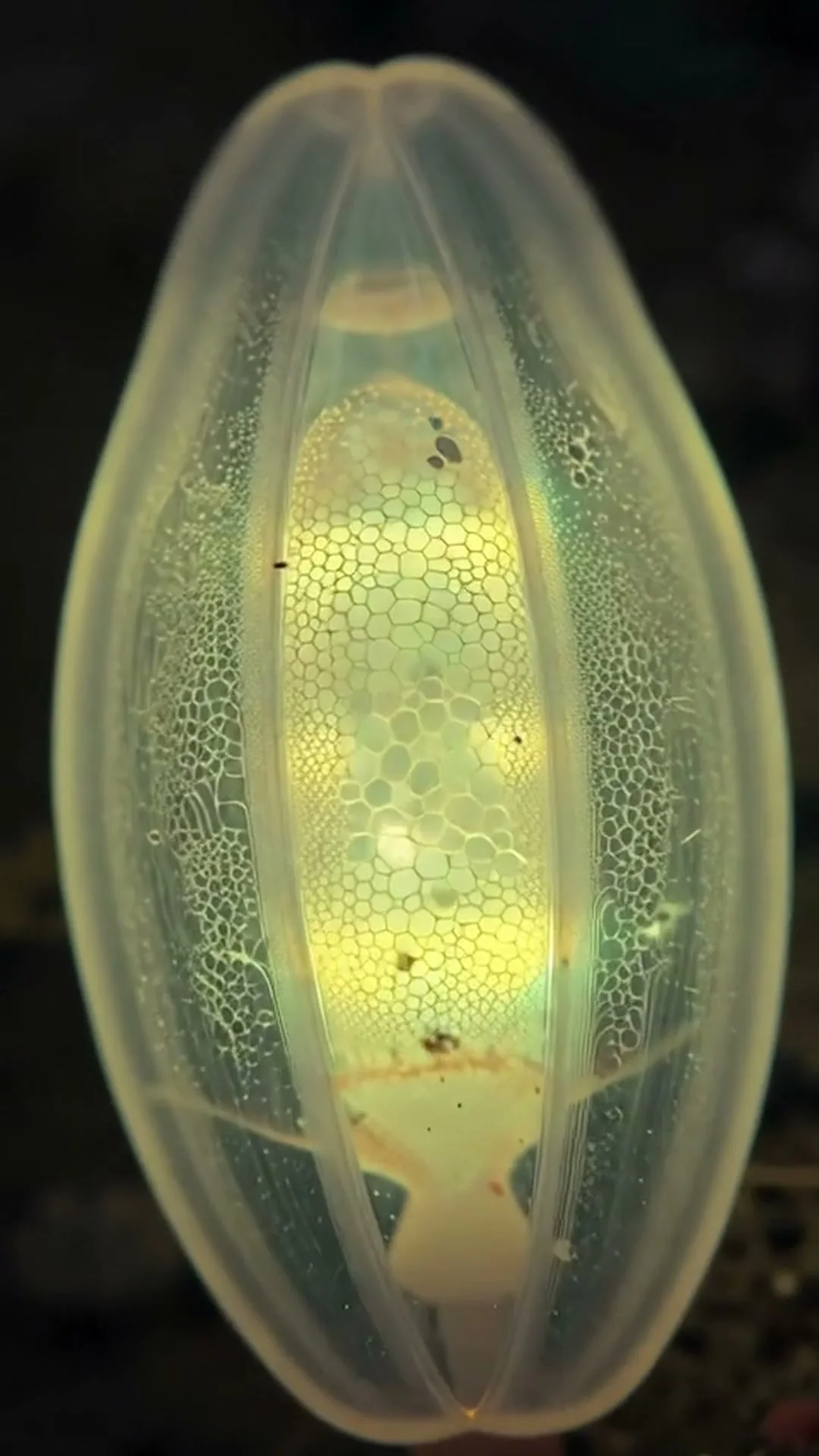 The Biological Mechanism of BioluminescenceExplore the diverse chemical mechanisms and evolutionary paths that allow living organisms to produce light through enzymatic reactions.
 Red-necked wallabies hop because bouncing is their most efficient way to travelRed-necked wallabies, also called Bennett's wallabies, are built for hopping. When they move faster than about 15 kilometres per hour, bouncing becomes their most economical way t…
 A painful ant sting is rated the worst of any insect, and science is studying whyResearchers rate the sting of the bullet ant as the most painful of all insect stings. People say it feels like a gunshot, and in Venezuela the ant is nicknamed the 24-hour ant. T…
- One fireweed plant can scatter roughly 80,000 seeds into the windFireweed is often among the first plants to return after a fire, a clearing or another disturbance. Its tiny silk-tufted seeds drift on the breeze, and a single plant can produce …
- Cats remember places for a decade, yet struggle with cause and effectA cat can remember a place, and the feelings tied to it, for a decade or longer. Yet in one well-known test, cats could not reliably pick the string that led to a treat. Their int…
 The American Cocker Spaniel and its English cousin split apart over a century agoTwo dogs once shared one name. Over the twentieth century, breeders in America and Britain shaped the same breed in different directions, until each side recognised them as separa…
 The yellow forsythia bloom opens before its leaves appear each springForsythia is one of the first shrubs to brighten the spring garden, with yellow flowers that open before any leaves. It is named after a Scottish royal gardener, and a widely repe…
 A dog once reserved for an empire's palace now sits on sofas worldwideThe Pekingese, a small toy dog from China, was kept by the Imperial court and could be owned by almost no one outside it. Its flattened face, rolling walk and thick double coat ar…
- The laughing kookaburra's famous cackle is not really laughter at allThat familiar, chuckling call sounds like joy, but the laughing kookaburra is actually making a territorial warning. Its loud cackle tells rival birds to keep away. Found across e…
- The brahminy kite snatches much of its food straight from the airA brahminy kite has weak feet and cannot grab large prey, so it relies on swooping low over water or treetops and catching fish or carrion in flight. Its chestnut and white plumag…
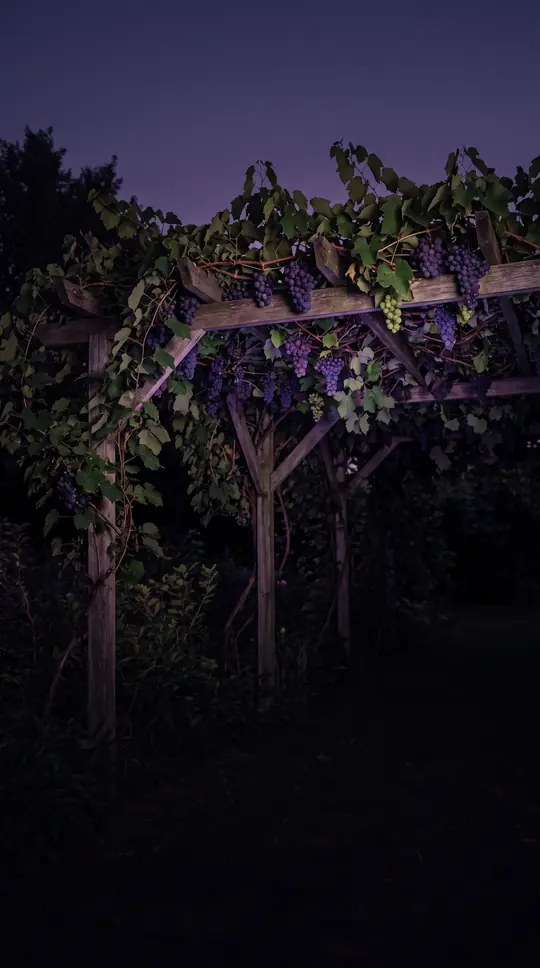
 Grapevines are a genus of about 80 species, most from the Northern HemisphereVitis, the grapevine genus, contains roughly 80 species of twining plants, mostly native to the Northern Hemisphere. Only one, Vitis vinifera, is the wine grape of Eurasian origin…
 A now-extinct European elephant stood about 4 metres at the shoulderThe straight-tusked elephant once roamed Europe and Western Asia, and its largest bulls may have stood about 4 metres at the shoulder and weighed around 13 tonnes. That made it am…
 The white wagtail nests in odd places, from old walrus skulls to fuel drumsAcross its vast Eurasian range, the white wagtail nests in nooks and crannies of almost every kind. Some birds have used old fuel drums, an active golden eagle nest and even an ol…
 Some pitcher plants run a toilet service, with tree shrews as the customersNepenthes, the tropical pitcher plant, traps insects in slippery, liquid-filled leaves. In some species the plant goes further: tree shrews feed on nectar in the pitcher lid and l…
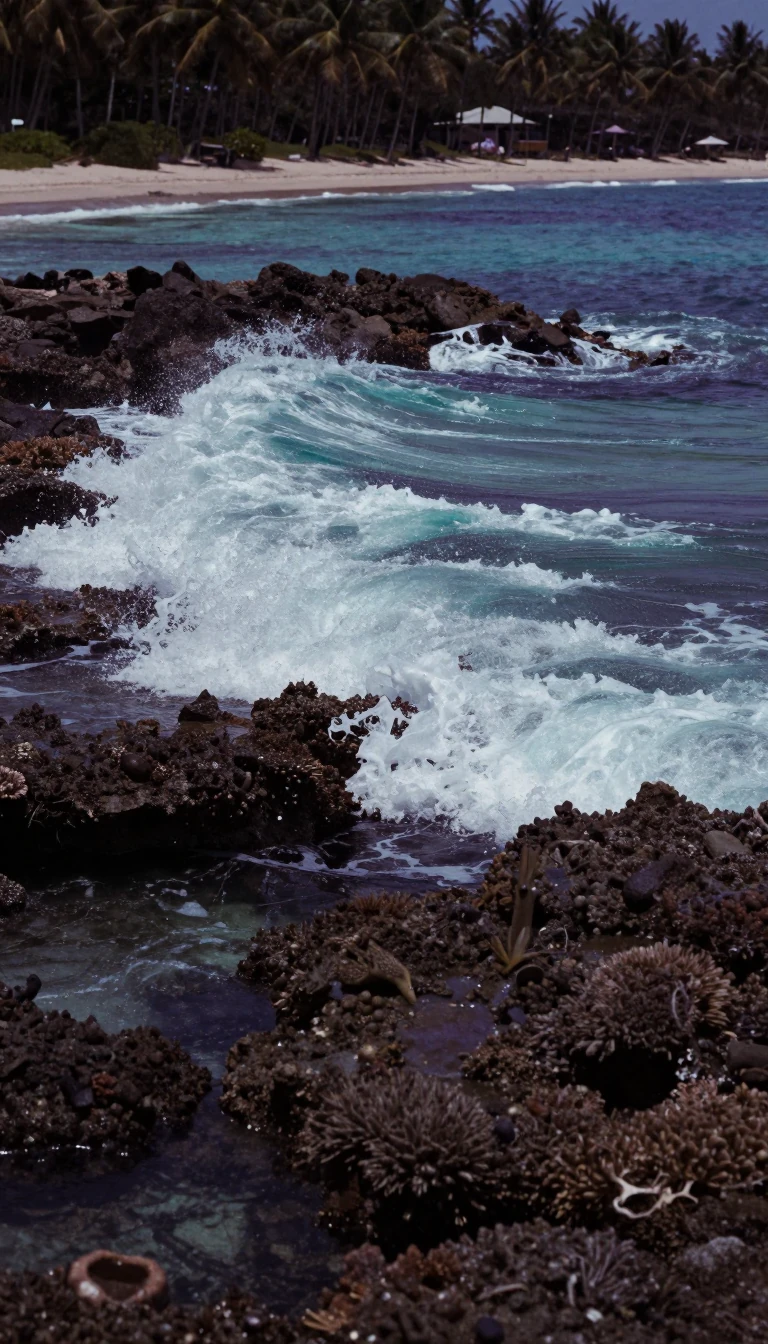 A Monterey aquarium grew a living kelp forest indoors, which experts had doubtedOpened in 1984 on the site of a former sardine cannery, the Monterey Bay Aquarium was the first public aquarium to grow a living kelp forest. Specialists had questioned whether ke…
 One swimmer has tested cold water to make distant melting ice visible to everyoneLewis Pugh is an endurance swimmer who chooses some of the coldest waters on Earth as his stage. In 2010 he crossed a kilometre of meltwater lake at about 5300 metres on Mount Eve…
 Dogs and humans release the same bonding hormone when they spend time togetherWhen people spend quality time with dogs, both species release oxytocin, a hormone tied to strong social bonds. The relationship may stretch back more than 30,000 years, to when w…
- Red imported fire ants can link together to form rafts that float on floodwaterWhen water levels rise, red imported fire ants can link their bodies into rafts that keep the colony afloat. The species began in South America, yet it has reached many distant co…
- Catalina Island's bison herd is set to fade out within decades, by designSanta Catalina Island, off Southern California, is home to a bison herd that once reached as many as 600 animals. Birth control programs have now halted reproduction, and the herd…
 The great grey slug can hang from a branch and mate in midairLimax maximus, the leopard slug, reaches 10 to 20 centimetres long, and its mating ritual is unusual even among slugs. Two partners climb high, lower themselves on a thick thread …
 South America's rainforests hold more of Earth's land biodiversity than any other realmThe Neotropical realm spans tropical Americas and the southern tip of South America. It holds more tropical rainforest than any other biogeographic realm, and its bird and fish fa…
 Male eastern bluebirds do less nest work than their brilliant colour suggestsThe male eastern bluebird is a striking sight, dressed in deep blue above and rusty red below. Yet the female does almost all the nest building and egg incubation. Once in decline…
- A frog about an inch long can carry venom enough to kill ten adult menThe golden poison frog is among the most toxic animals known, yet it is only about an inch long. Indigenous Emberá people of Colombia have long tipped their hunting darts with its…
- The black marlin is one of the largest bony fish in the worldBlack marlin can exceed 4.5 metres in length and females may top 700 kilograms. Their speed has often been overstated in popular media, and scientists have estimated a much lower …
- A fish that survived the dinosaurs vanished from the Yangtze in the 2000sThe Chinese paddlefish had roamed Chinese rivers for roughly 200 million years, outlasting the dinosaurs. Researchers now conclude it disappeared around 2005 to 2010, largely beca…
- Click beetles can launch themselves into the air with a sudden snap of their bodiesFlip a click beetle onto its back and it can snap itself upright, sometimes leaping into the air. The mechanism is a spine on the chest that locks into a notch and is released wit…
 A tree that was thought extinct turned up alive in China in 1944For about 66 million years, the dawn redwood looked the same as its ancient ancestors. Fossils suggested it had vanished during the Miocene, until living trees were found in a val…
- Australia's largest venomous snake is a king brown, not a true brown snakeThe king brown snake is Australia's largest terrestrial venomous snake, reaching about 2.5 metres. Despite its name, it belongs to the black snake genus and is only distantly rela…
- A nine-banded armadillo can hold its breath long enough to cross a river on footThe nine-banded armadillo can cross rivers by gulping air into its intestines and floating, or by holding its breath for up to six minutes and walking along the riverbed. Its armo…
- Tarbosaurus was a giant predator whose name means alarming lizardTarbosaurus roamed Asia near the end of the dinosaur age, reaching roughly ten metres long. Its tiny arms, locking jaw and unusual skull set it apart from its famous North America…
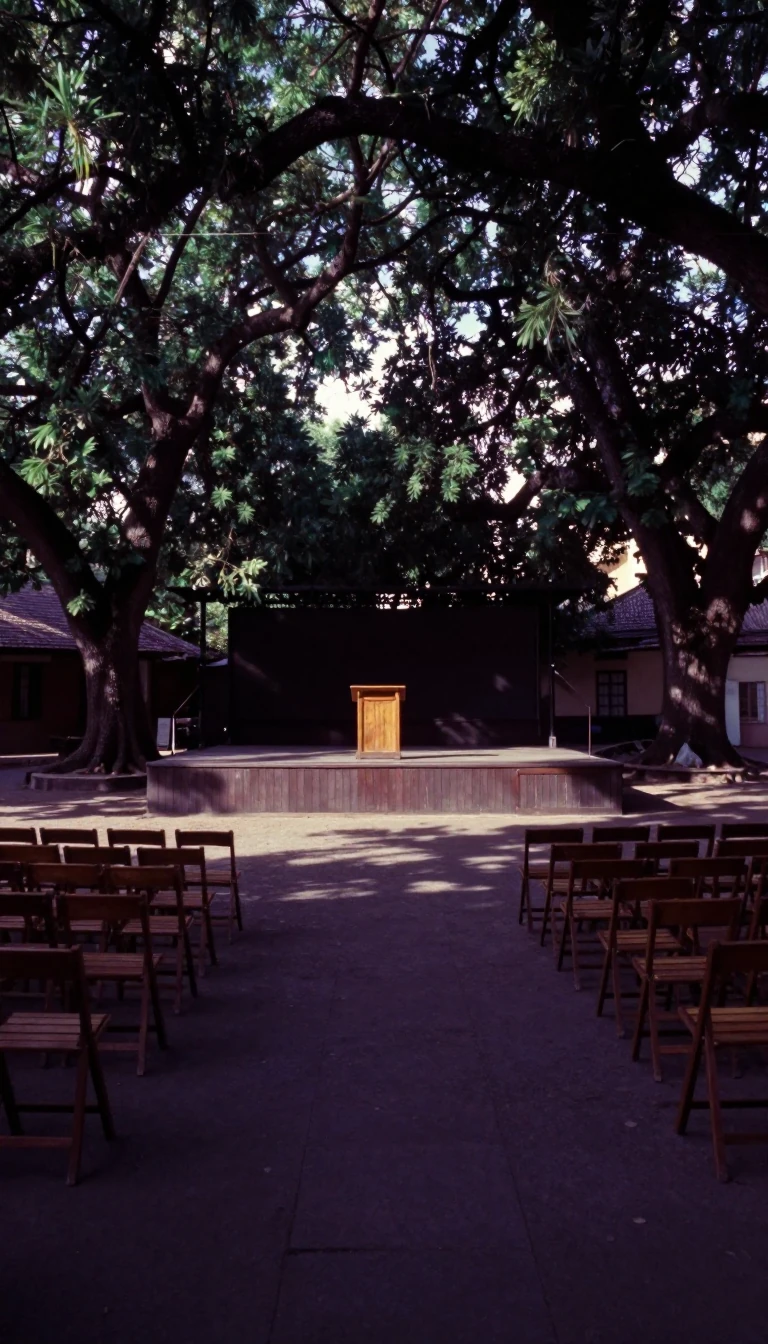 The Major Oak, a famous Sherwood Forest tree, has been confirmed dead after years of strainStanding in Sherwood Forest, the Major Oak was estimated at 800 to 1,200 years old and long tied to Robin Hood legends. In June 2026 its managers confirmed it had died. Its declin…
 A cat's folded ears come from a gene that also shapes its whole skeletonThe Scottish Fold's ears bend forward because of a dominant gene that affects cartilage throughout the body. The same gene leads to painful joint disease, and several countries no…
- Almost every calico cat is female, and the reason lies in her X chromosomesCalico cats are almost always female, and genetics explains why. The gene for orange fur sits on the X chromosome, and females carry two X chromosomes. Random switching-off of one…
 Barn owls can pinpoint prey by sound in total darknessBarn owls swallow their prey whole, then cough up pellets that reveal exactly what they ate. Tested in a lab, they can catch mice in complete darkness, relying on hearing more tha…
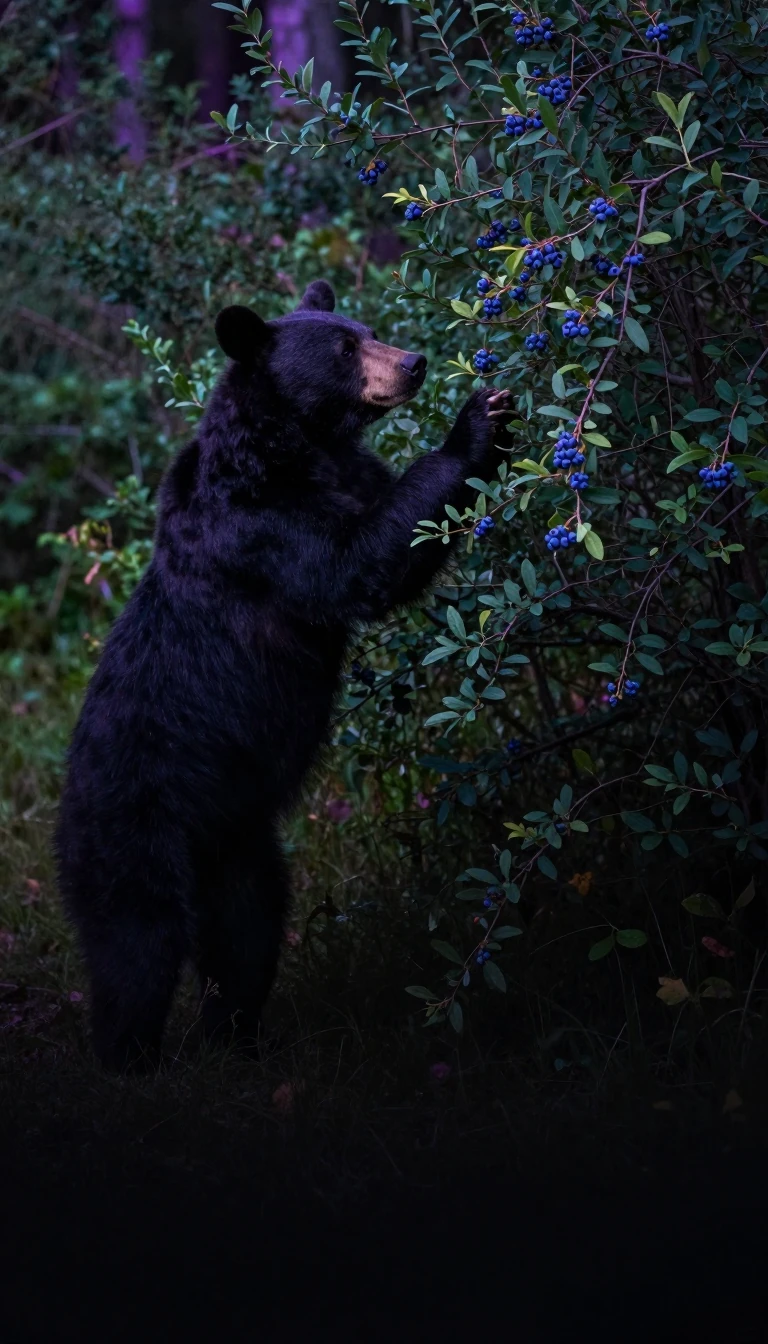 A single American sycamore can grow hollow enough to house a black bearThe American sycamore is one of North America's giants, reaching 30 to 40 metres in deep soil. Its heartwood rots quickly, leaving hollow cavities that become homes for bats, owls…
- A South Carolina hunting dog grew from a stray that a banker's walk introducedThe Boykin Spaniel traces to a small stray that befriended a banker in South Carolina around 1900. Hunter Whit Boykin developed it for turkeys and waterfowl, and it became the sta…
- The American flamingo is the only flamingo that naturally lives in North AmericaFlamingos are famous for their pink color and their strange bent-looking bills. The American flamingo breeds in large Caribbean colonies, builds mud cones for a single egg, and fi…
- Few breeds vary as widely in litter size as the English Cocker SpanielThe English Cocker Spaniel is a gun dog with an unusually wide range of litter sizes, and its name may come from its old work flushing woodcocks. Its constantly wagging tail has e…
- A critically endangered raccoon survives only on one Mexican islandOff the coast of Mexico's Yucatan Peninsula lives a raccoon noticeably smaller than its mainland cousin. Scientists describe it as a distinct species, and the IUCN classifies it a…
- The Ussuri brown bear can rival the Kodiak bear, one of the largest bears aliveOne of the largest brown bears on Earth, the Ussuri brown bear ranges across eastern Russia, northeast China and Hokkaido. Its size, diet and surprising place in Ainu tradition re…
 An estimated 50 million plains bison roamed North America; fewer than 1,000 remained by 1889When Europeans reached North America, an estimated 50 million plains bison ranged across the continent, probably the largest gathering of large animals in recorded history. By 188…
 Giant pumpkins are a single species, and it is a squashThe giant pumpkins that win contests and the Hubbard squash in your kitchen belong to the same species, Cucurbita maxima. Native to South America, it has been bred into a remarkab…
- Casuarina trees take their name from a bird, and their leaves are not really leavesThe genus Casuarina, also called she-oak or Australian pine, takes its name from a word for a flightless bird. The link lies in the plant's foliage, which looks something like the…
- Field-bred and show-bred Springer Spaniels share a registration yet barely share a gene poolTwo English Springer Spaniels can carry the same registration and still look like different breeds. Working dogs are lean and wiry, built for the field, while show dogs are heavie…
- A line through Indonesia divides two worlds of animalsWallacea is a band of Indonesian islands where Asian and Australian wildlife meet. Named after the naturalist Alfred Russel Wallace, the region holds a remarkable share of endemic…
- Africa's crowned eagle is a forest predator that breeds only about once every two yearsThe African crowned eagle is a powerful forest hunter with one of the slowest breeding rhythms known among birds. Pairs typically raise a single chick across roughly 500 days, a t…
- Island animals often evolve into giants or dwarfs compared with mainland relativesStranded on islands, animals can take surprising shapes. Dwarf elephants shrank, while mice and pigeons grew. Long debated, this pattern now has strong support from a large study …
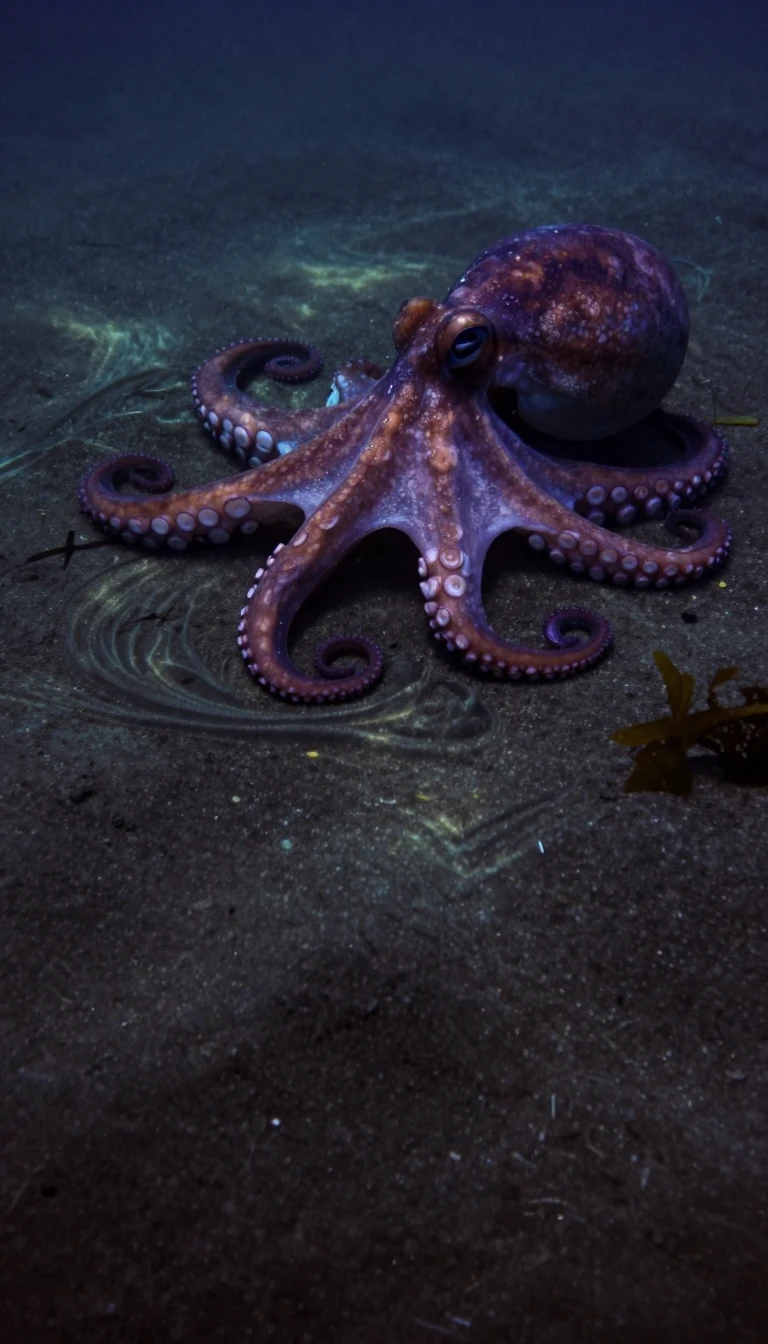 Some predators win by looking like something harmless, not something dangerousA predator that resembles a harmless creature can approach its target unnoticed. Anglerfish dangle a wriggling lure that fish mistake for food, and female Photuris fireflies copy …
- Canada's Eskimo Dog has no recent wolf ancestry, despite long being mistaken for oneFor generations, explorers, including Charles Darwin, assumed the Canadian Eskimo Dog was a tamed wolf or a wolf hybrid. Genetic testing has since shown it carries no recent wolf …
- Ancient griffenflies had wingspans of up to 71 centimetresSome insects of the Carboniferous and Permian periods were enormous. Meganisoptera, the griffenflies, were dragonfly-like predators, and the largest known insect, Meganeuropsis pe…
- A parasite can replace a fish's tongue and the fish keeps using itCymothoa exigua, the tongue-eating louse, enters a fish through its gills, cuts off the blood supply to the tongue and then takes the tongue's place. Few parasites go this far, an…
- Sea stars and acorn worms belong to one surprisingly close family treeSea stars, sea urchins, acorn worms and their relatives are grouped together as Ambulacraria. Their larvae share a ciliated band used for both eating and getting around, a clue to…
- A single fungus can kill hundreds of trees by spreading undergroundArmillaria mellea, the honey fungus, spends most of its life hidden underground as threads that can spread over great distances. Its black root-like strands can travel to find new…
 The chukar partridge can outrun most people on steep, rocky groundThe chukar is a plump gamebird that prefers running to flying. Native to Asia, it has spread to North America, New Zealand and Hawaii, where hunters have given it a nickname for t…
- Snowflakes, tiger stripes and sand ripples may share a surprisingly simple originSnowflakes, tiger stripes and rippled sand look unrelated, yet each can arise from simple physical and chemical forces rather than deliberate design. D'Arcy Wentworth Thompson arg…
 Rudraksha beads begin as blue fruit before they become prayer beadsThe prayer beads worn across South Asia start life as a blue fruit on an evergreen tree. Their colour comes from the structure of the fruit's surface rather than from a pigment. E…
- The Gaboon viper has the longest fangs of any venomous snakeFew snakes combine such a striking look with such a calm temperament. The Gaboon viper of tropical Africa has fangs up to 5.1 centimetres long, the longest of any venomous snake, …
- Cats can purr while they breathe in and out, and nobody fully knows howA cat's purr is a soft buzz at roughly 25 vibrations per second, and it continues through both breathing in and breathing out. Scientists still do not fully agree on how cats make…
- A cat's tail often reveals its mood before its face doesWatch a cat's tail and you can read its mood. Held high with a slight forward curl, it signals friendliness and contentment. Tucked low, it signals fear. Flicking or twitching mea…