How to jump-start a dead civilization's power grid
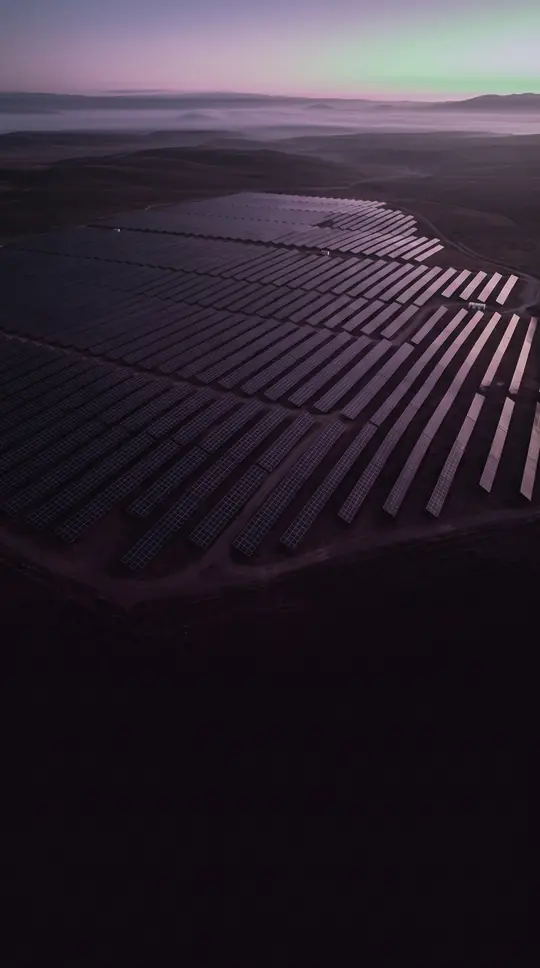
In short: When a power grid suffers a total collapse, it cannot simply be switched back on. Every generator needs electricity to run its own pumps, fans, and conveyors. To fix this, engineers use a 'black start'—a complex, staged process of bootstrapping power from tiny batteries to massive industrial plants.
Restarting a power grid, station, or industrial facility independently of outside transmission networks is known as a black start. This is necessary because most generating plants require 'station service power' to operate. For example, a coal-fired plant needs conveyors and air compressors, while steam cycle plants require large pumps to circulate water. Even wind turbines need a small amount of power to adjust blade pitch and direction. Without a source of initial electricity, these systems remain paralyzed in a state of total shutdown.
To overcome this, 'black-start units' (BSUs) are used. These are facilities capable of starting quickly using on-site resources. Hydroelectric plants are often the primary choice because they require very little initial power—just enough to open intake gates and provide excitation current—allowing them to put a large block of power on the line quickly. Other options include diesel generators powered by pre-charged batteries, gas turbines, or, as demonstrated in 2017, lithium-ion battery storage systems.
The restoration follows a 'bottom-up' or 'island' approach. A battery might start a small diesel generator, which then powers a hydroelectric station. That station then energizes key transmission lines to start a 'base load' plant, such as a nuclear or fossil-fuel-fired facility. Finally, that base load plant provides the massive capacity needed to restart the rest of the system. This must be done gradually; if power is restored too quickly in a hot climate, the sudden demand from air conditioning units could cause the fragile new grid to collapse again.
Economically, black start is costly and complex. Because not all plants are suitable, grid operators use various procurement methods. In the US, some regions use 'cost-of-service' models where costs are rolled into tariffs, while others, like ERCOT in Texas, use competitive markets where providers bid hourly standby costs. In Great Britain, specific agreements ensure suppliers provide this capacity, often utilizing older open-cycle gas turbines that can run an entire plant independently.
Opens the Intellect+ feed with this card first. Swipe up for the next one.
Sources
- Summary by Intellect · source: Black start
To cite this card, link to https://intellectplus.co.uk/app/health-black-start.
How we source, check and correct cards: Editorial standards.
General information, not professional advice. Spotted an error? Flag the card or see corrections and complaints.
Intellect Plus is a visual educational discovery platform for exploring fascinating facts and ideas. Brain Food, Not Brain Rot. What is Intellect Plus?
Related
More in Bacteria · More in Health · Latest · A–Z · All topics
