 Intellect Plus
Bacteria
48 cards. Each one is a 40-second story with a five-minute read behind it.
 The logistical failure that turned a detention site into an unintended hubCamp Cropper was designed as a transit point for high-value detainees, but it became a permanent fixture of the Iraq War. A combination of damaged infrastructure and shifting mili…
 The highway that was supposed to reach Troy but ended in SchenectadyDesigned as a major east-west link, New York's Interstate 88 was once much more ambitious. While early plans promised a connection to Troy, shifting priorities and scrapped extens…
 The shadow war that brought a nation to a standstillBetween 1987 and 1989, Sri Lanka was gripped by a low-intensity conflict that paralyzed the state. Driven by the Marxist-Leninist JVP, the insurgency used targeted assassinations …
 The economist who mapped the blueprint for global capitalismHow does a nation move from poverty to prosperity? Walt Rostow proposed a universal five-stage roadmap for economic development. His theories didn't just stay in textbooks; they s…
 The hidden psychological toll of growing up in a conflict zoneFor children living in war, resilience is not just a trait; it is a survival mechanism. From the immersive recreations of evacuee trains to the urgent need for mental health inter…
 A political thriller's massive success sparked a stylometric literary debateWhen Bill Clinton released his first novel, it shattered sales records and triggered an immediate investigation into who actually wrote the prose. While the book became a commerci…
 The strategic evolution of a 'major non-NATO ally' military bondThe U.S.-Israel military relationship is not a simple linear progression of cooperation. It is a complex history of tendentious bargaining, shifting from Cold War containment to a…
 The genetic reality of Rwanda defies centuries of colonial mythFor decades, a narrative persisted that Hutu and Tutsi were biologically distinct races from different continents. Modern genetics tells a far more complex story: while social cas…
 The man who shaped a dictator's ideology and moralityBefore Saddam Hussein became a global figure, he was a boy living with his uncle, Khairallah Talfah. Talfah was a radical nationalist who shaped the young man's worldview through …
 The 'Year of Catastrophe' and the birth of modern territorial conflictIn 1920, a collapse of diplomatic promises transformed Palestine into a flashpoint of competing nationalisms. As Great Britain transitioned from military to civilian rule, the reg…
 A peace treaty forged in the shadow of a massacreIn 1994, Jordan became the second Arab nation to sign a peace accord with Israel. It was a monumental shift in Middle Eastern diplomacy, intended to end decades of state-level enm…
 The hidden health risks of smoke and invisible virusesIn the rural landscapes of Herkimer County, health is often shaped by factors far beyond the local clinic. From the microscopic spread of vector-borne viruses in livestock to the …
 The base that traded nuclear alerts for wind energyIn 2003, Dyess Air Force Base made a radical shift in military infrastructure. By transitioning a former Cold War nuclear site into a primary USAF green outpost, the facility achi…
 A hidden virus in New York's livestock poses a silent threatIn the rural landscapes of Western New York, a vector-borne virus is moving through domestic herds. While it causes devastating mortality in local wildlife, it often remains invis…
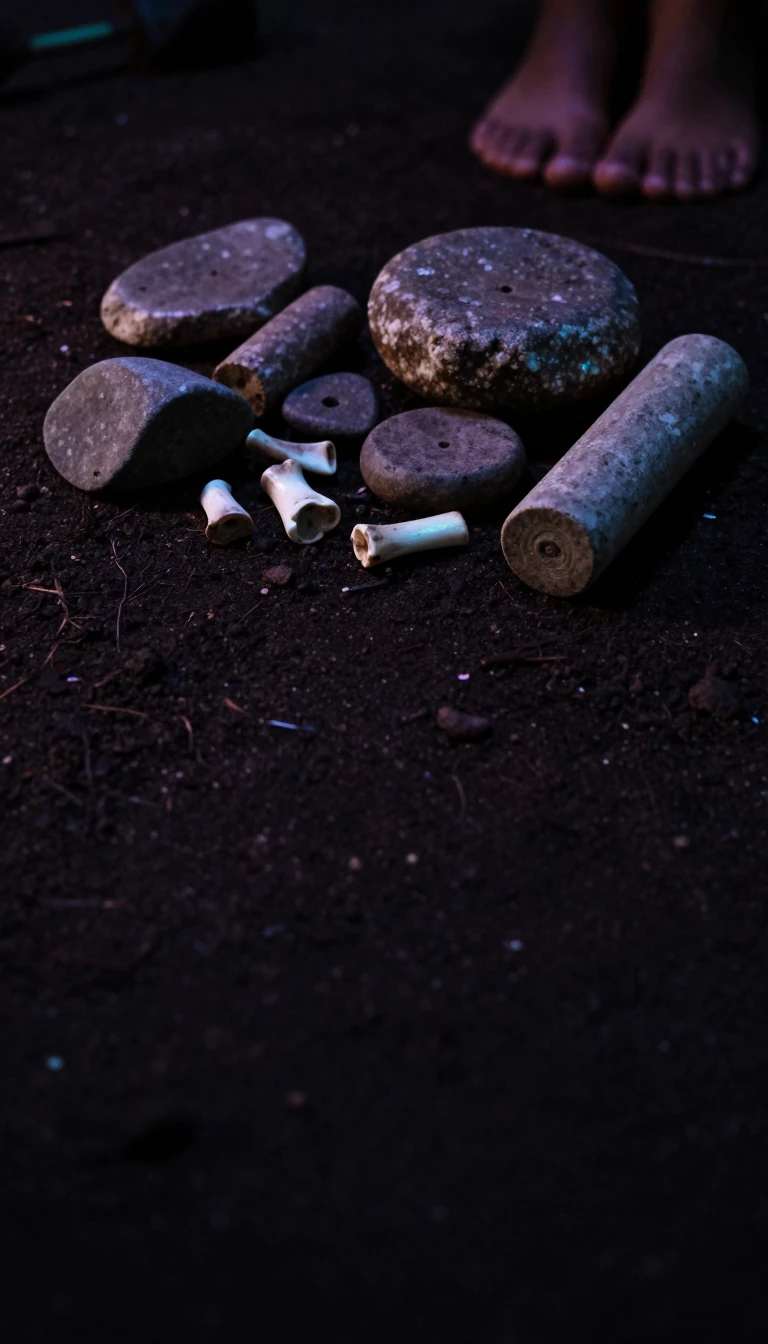 A unique bacterial signature defines the Burmese dental microbiomeWhile humans share a core microbiome, your ancestry acts as a biological filter. For Burmese individuals, this means a specific bacterial presence in dental plaque that is not fou…
 A unique watershed providing water to three major North American basinsAllegany County, New York, sits at a remarkable geographic crossroads. While its name suggests a connection to the Allegheny River, it actually serves as a vital water source for …
 The divergent health trajectories of two distinct Pakistani American elder groupsNot all Pakistani American seniors share the same experience. Depending on when they arrived, these elders face vastly different cultural hurdles, communication styles, and clinic…
 A genetic outlier: Why Finnish ancestry links to specific liver and kidney conditionsWhile Finnish Americans have shaped the American landscape for centuries, they also carry a distinct genetic signature. Research into autosomal dominant polycystic liver disease (…
 The United States did not create Saddam Hussein, but it did sustain himDuring the 1980s, the Reagan administration sought to prevent an Iranian victory in the Iran-Iraq War. This led to a complex web of intelligence sharing, economic credits, and dua…
 The Great Recession left a generation with a 41% wealth gapWhile the Great Recession technically ended in 2009, its economic scars remain deeply uneven. For many younger Americans born in the 1980s, the crisis wasn't just a temporary dip—…
- The massive regional grid balancing act of the American MidwestHow do you move electricity across a continent without the system collapsing? It requires a delicate balancing act of supply and demand. The Midcontinent Independent System Operat…
- The hidden health costs of the American supply chainThe trucking industry is the backbone of the US economy, moving everything from raw materials to hospital supplies. Yet, behind the massive freight movement lies a complex web of …
 The Great American Manufacturing Paradox: Rising Output, Vanishing JobsWhile headlines often scream of a manufacturing crisis, the reality is more complex. U.S. industrial output has actually reached record highs, yet the workforce has undergone a st…
 How to jump-start a dead civilization's power gridWhen a power grid suffers a total collapse, it cannot simply be switched back on. Every generator needs electricity to run its own pumps, fans, and conveyors. To fix this, enginee…
 The powerful trade association that shapes the global energy landscapeThe American Petroleum Institute represents nearly 600 corporations, wielding immense influence over public policy and industry standards. From defining the density of petroleum t…
- Is the middle class a bank balance, a resume, or a mindset?There is no universal definition of the American middle class. While economists often point to income, sociologists look at credentials, and anthropologists focus on culture. Beca…
 Nature's biological hacks can override your instincts with exaggerated signalsEvolutionary biology contains a fascinating glitch: supernormal stimuli. These are artificial or exaggerated versions of natural cues that trigger a response much stronger than th…
 Turning trash into treasure: the high-stakes physics of waste-to-energyWe often view waste as a dead end, but a growing global infrastructure treats it as a fuel source. By incinerating residual trash, we can shrink waste volume by nearly 90% while g…
 How heavy metals quietly dismantle bacterial defenses at the molecular levelSome of our most common materials possess a hidden biocidal power. From brass doorknobs to silver jewelry, these objects can actively neutralize pathogens. This phenomenon, known …
 The volatile liquid gold hidden within raw natural gasIt is a low-density mixture of hydrocarbons that behaves like gasoline but originates from deep underground gas reservoirs. Known variously as 'condy' or 'drip gas,' this substanc…
 The hidden carcinogens in your kitchen's most common cooking applianceCooking with gas is a staple of domestic life, but it carries a chemical cost. Beyond the flame, gas stoves release pollutants that can reach levels comparable to secondhand tobac…
 The village that gave the United States a name it never tookIn 1803, a scholar proposed a new name for the entire United States: Fredonia. It was intended to mean "freedom," but while the nation rejected the title, the word survived in a s…
- From Victorian streetlights to high-tech pathogen detectionThe gas holder is a masterclass in industrial evolution. Originally designed to balance the flow of coal gas for 19th-century streetlights, these massive structures have transitio…
- Energy is never lost, but its quality is constantly dyingYou might think of energy as something you 'use up' like fuel in a tank. But according to the laws of thermodynamics, energy is never destroyed. Instead, it loses its 'exergy'—its…
- Energy cannot be created or destroyed; it only changes its maskEvery movement you make and every calorie you burn is a relay race of power. From the nuclear furnace of the Sun to the mechanical motion of your stride, energy never vanishes. It…
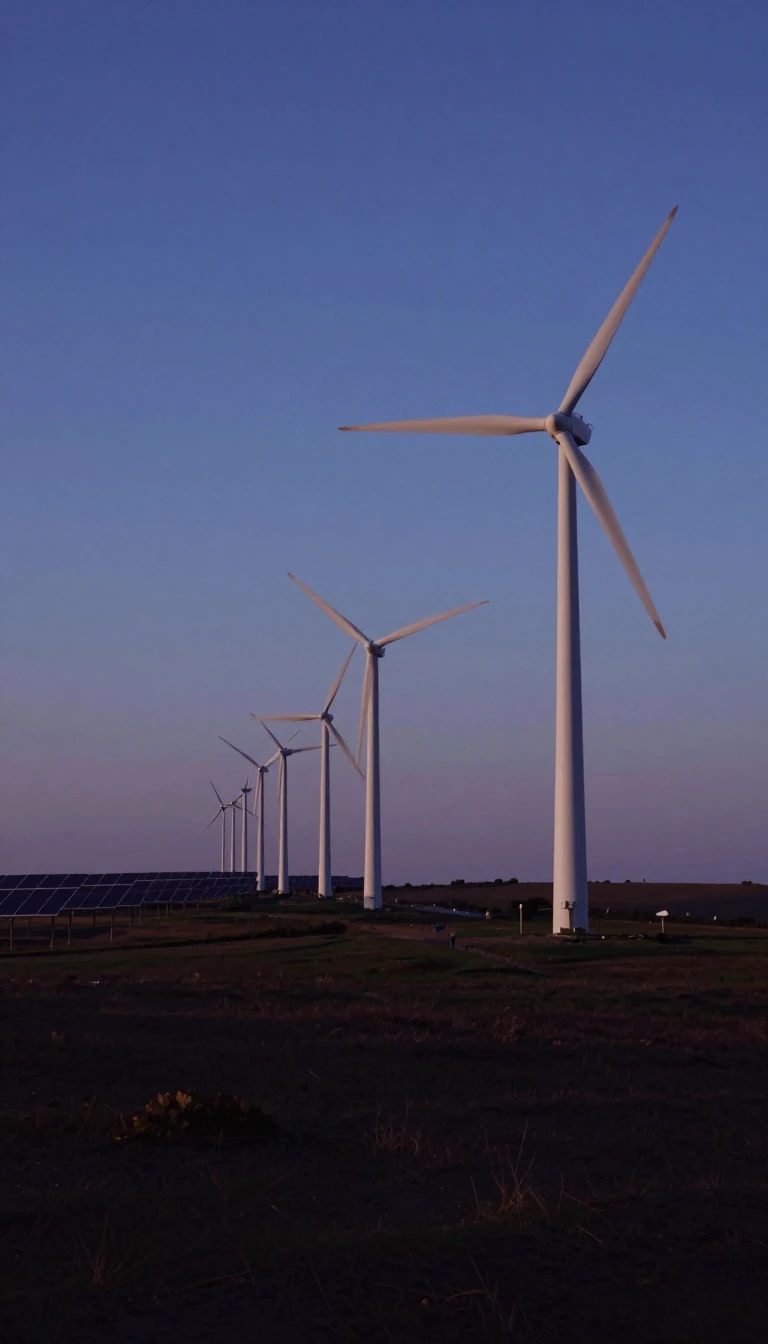 The Great American Energy Pivot: From Coal to Gas and BeyondFor over a century, fossil fuels have dictated the American landscape. But the internal machinery of U.S. energy is undergoing a profound structural shift. From the rise of shale …
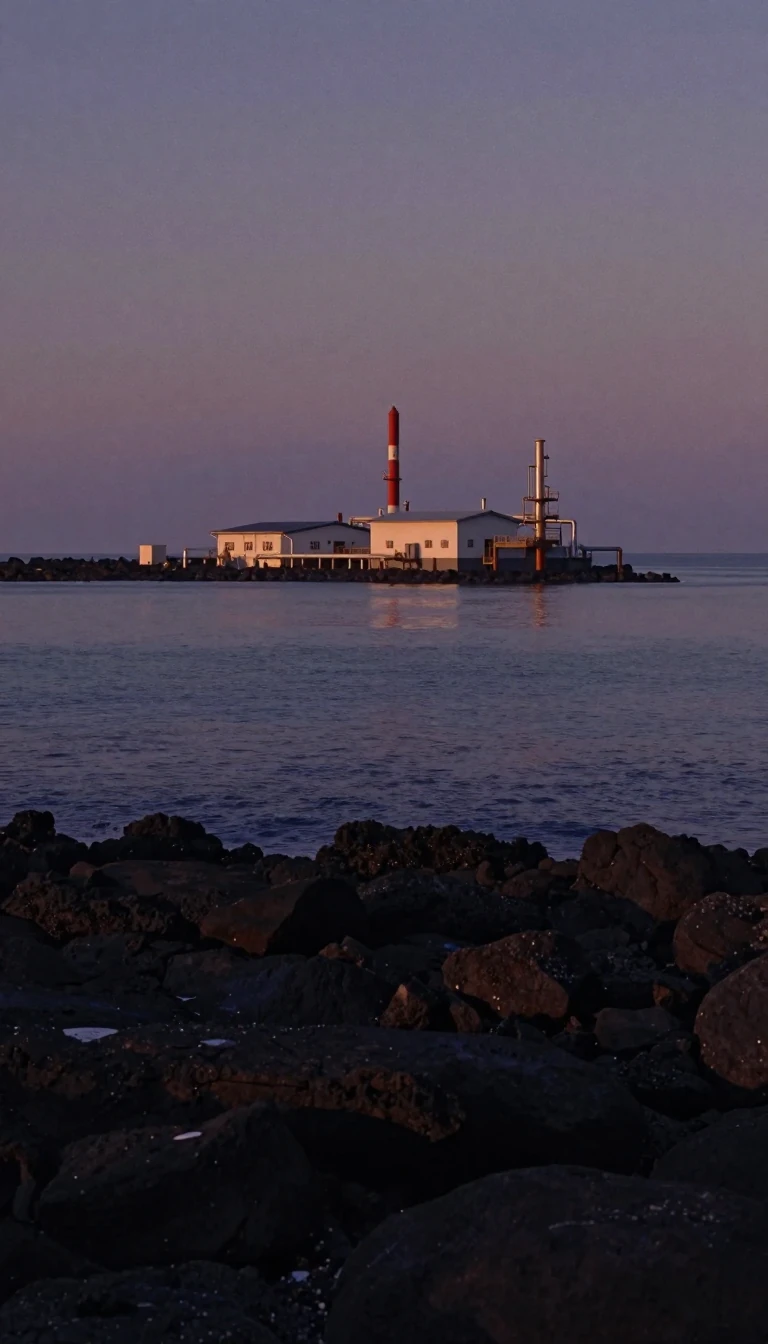 The "First Fuel": Why saving energy is more powerful than creating itWe often think of renewable energy as the ultimate solution to our climate crisis. But there is a concept in policy known as the "first fuel." It suggests that the most effective …
 The hidden economics of the world's fourth most popular automotive fuelAutogas is often sidelined in the conversation about green energy, yet it remains a massive global player. While it captures less than 2% of the total market share, its unique che…
- The vaginal microbiome is a dynamic security system, not a static colonyYour vaginal microbiome is an intricate, living ecosystem that constantly shifts throughout your life. It isn't just a collection of bacteria; it is a symbiotic defense network wh…
- Microbes can't see direction—so they use a biased random walk.At the microscopic scale, distinguishing the exact direction of light is nearly impossible. To navigate, many prokaryotes don't actually "see" where the sun is; instead, they perf…
- The dual identity of a bacterium: From lab hero to hospital hazardPseudomonas putida is a biological paradox. In laboratories, it is a safe, versatile workhorse used to create sustainable chemicals and clean up pollution. Yet, in hospital settin…
 The microscopic compasses that navigate the Earth's magnetic fieldDeep within aquatic sediments, a diverse group of bacteria uses Earth's magnetic field to navigate. By aligning themselves with magnetic field lines, these microorganisms efficien…
 The invisible chemistry of control: what defines a biocide?From the disinfectant wipes in your bathroom to the preservatives in your lumber, biocides are everywhere. These substances are not just simple cleaners; they are complex chemical…
 The invisible trade-off between an object's position and its motionMechanical energy is the sum of two distinct states: potential, which is stored by where something sits, and kinetic, which is the energy of movement. In a perfect world, these tw…
- Bacteria use grappling hooks and rotary motors to navigate their worldBacteria aren't just drifting; they are sophisticated engineers of motion. From microscopic propellers that rotate like high-torque engines to grappling hooks that pull them acros…
 The ancient microbes that breathe sulfate and eat industrial wasteDeep in anoxic sediments and industrial sludge, a group of ancient microorganisms performs a unique metabolic feat. Instead of oxygen, these bacteria use sulfate as their primary …
- The hidden complexity of shale gas extraction and its environmental footprintTrapped within fine-grained sedimentary rock, shale gas is far harder to extract than conventional gas. While it offers a lower-carbon alternative to coal, the process of hydrauli…
- Staphylococcus aureus relies on an unusually large arsenal of toxinsA review of research on Staphylococcus aureus describes how this common bacterium causes everything from mild skin infections to fatal pneumonia and sepsis using an unusually larg…