Why your glutes are the secret to sitting comfortably without needing specialized callosities
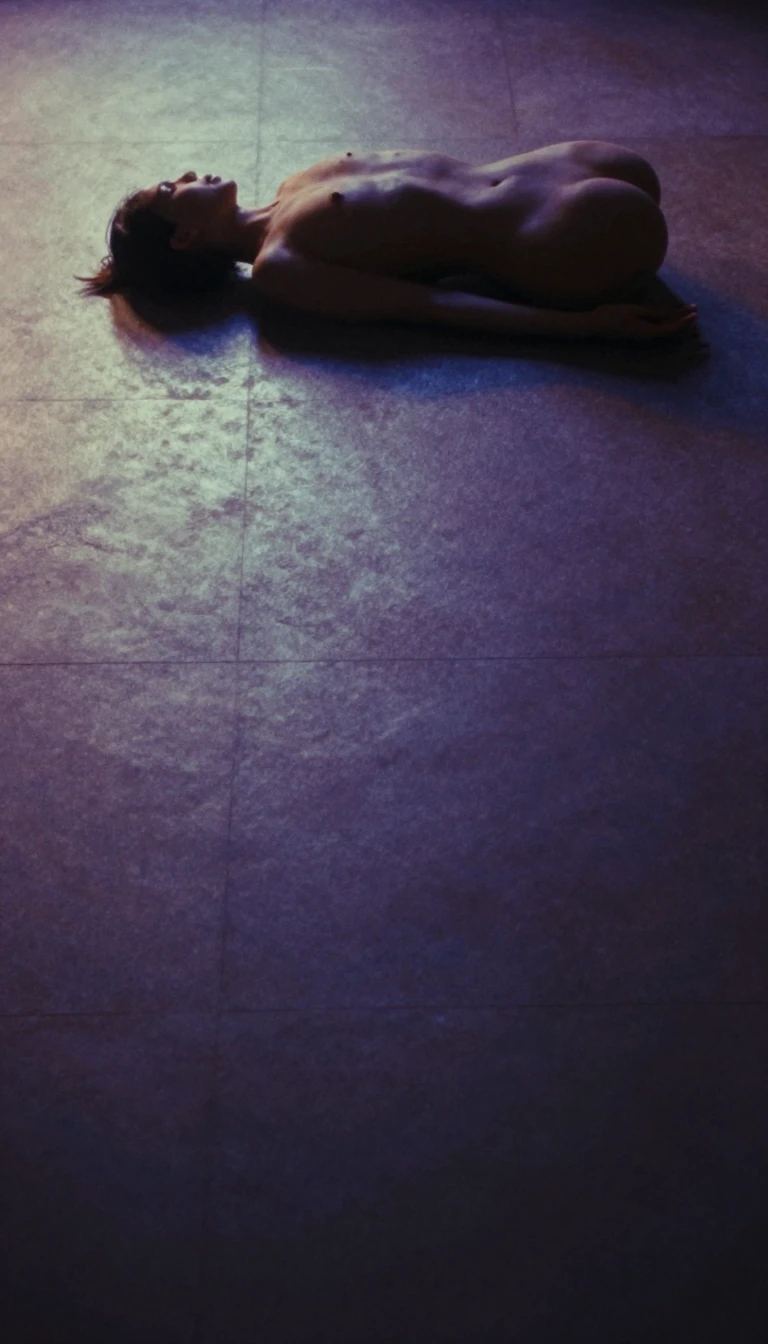
In short: Humans lack the specialized ischial callosities found in primates, which allow them to sleep on thin branches. Instead, we rely on our massive gluteal muscles and subcutaneous fat to provide cushioning. New research suggests that even with this natural padding, active pressure management is vital for maintaining healthy tissue perfusion.
The human buttock is a complex anatomical structure composed of skin, subcutaneous fat, and the gluteus maximus and medius muscles. These muscles are the largest in the body, serving critical functions such as maintaining upright posture, extending the hips, and propelling the body forward during movement. Unlike many primates, which possess naked ischial callosities—hardened pads that enable them to sit securely on branches—humans evolved to use their gluteal mass as a natural cushion. This adaptation allows us to sit for extended periods, though it does not make us immune to the physiological risks of prolonged pressure.
A recent study of 30 healthy adults examined how sitting on conventional static foam affects tissue health at the ischial tuberosity, the bony prominence often bearing the most weight. Researchers found that static foam often leads to significant drops in oxygen and carbon dioxide tensions in the tissue, with 11 participants exhibiting a high-risk Category 3 ischaemic response. This suggests that even with natural padding, the pressure exerted while seated can compromise local circulation, potentially leading to pressure ulcers in vulnerable populations.
The study tested a prototype device that applies lateral pressure to the buttocks, finding it significantly more effective than static foam alone. When this lateral pressure was applied, only two participants showed a high-risk ischaemic response, and 29 out of 30 saw their tissue-response category improve or remain stable. Interestingly, the researchers found no correlation between the raw interface pressure recorded and the actual changes in gas tensions, indicating that the physiological response is more nuanced than simple pressure mapping suggests. This research provides a new strategy for preventing pressure-related injuries in patients who must remain seated for long durations.
Beyond structural anatomy, the buttocks can also be a site for unexpected medical conditions. While rare, viral infections like herpes zoster—shingles—can manifest on the buttocks. In one documented case, a 10-year-old girl developed urinary retention linked to shingles on her buttocks, a complication that highlights how localized skin conditions can have systemic effects. This underscores the importance of recognizing that the buttocks are not merely a structural base for sitting, but a complex, sensitive region of the human body.
Opens the Intellect+ feed with this card first. Swipe up for the next one.
Sources
- Summary by Intellect · source: Lateral Pressure Application to the Seated Buttocks Largely Maintains Transcutaneous Gas Tensions at the Ischial Tuberosity in a Healthy Cohort.
- Also: Buttocks
- Also: A Pediatric Case of Urinary Retention Caused by Shingles on the Buttocks.
To cite this card, link to https://intellectplus.co.uk/app/health-buttocks.
How we source, check and correct cards: Editorial standards.
General information, not professional advice. Spotted an error? Flag the card or see corrections and complaints.
Intellect Plus is a visual educational discovery platform for exploring fascinating facts and ideas. Brain Food, Not Brain Rot. What is Intellect Plus?
Related
More in Anatomy and morphology · More in Health · Latest · A–Z · All topics
