 Intellect Plus
Anatomy and morphology
570 cards. Each one is a 40-second story with a five-minute read behind it.
 The subtle structural differences between your upper premolarsWhile they may look similar at a glance, the first and second maxillary premolars possess distinct morphological blueprints. This video breaks down their surface anatomy to show h…
 The complex architecture of the permanent maxillary first molarUnderstanding the anatomy of the upper first molar is a cornerstone of dental science. This lecture breaks down its developmental timeline, numbering systems, and the specific mor…
 The precise geometry of teeth: understanding dental morphologyTo understand dental anatomy, one must look beyond the surface. This video breaks down the complex structural divisions and geometric angles that define every tooth.
 The foundational architecture of the human bodyThis video provides a comprehensive overview of the human skeleton. It is designed to guide viewers through the fundamental structures that support our bodies, making it an essent…
- Beyond public transit: how buses are being repurposed for critical medical care and researchBuses are evolving from simple urban transport into sophisticated mobile platforms. Whether serving as high-tech laboratories for monitoring city air quality or as emergency vehic…
 How a rural New York county became a powerhouse for international clinical research trialsSt. Lawrence County is New York's largest county by area, yet it is often overlooked in medical research. Despite typical rural barriers like limited staffing and time, St. Lawren…
 Can the trauma of frontline work be managed through better family-inclusive policy and support?Frontline workers face constant exposure to high-stress events, yet the ripple effects on their families remain poorly understood. While psychological impacts on the workers thems…
 The Neanderthal type specimen was once dismissed as a Russian soldier with rickets.Discovered in 1856, the first recognized Neanderthal fossil sparked a fierce scientific debate. While some saw an ancient, distinct human relative, others insisted the bones belon…
 Why a 17th-century bishop blamed new fashion trends for the spread of plagueLancelot Andrewes, a prominent scholar and advisor to King James I, offered a unique medical diagnosis for the 1603 plague outbreak. He argued that the epidemic was a divine respo…
 Can virtual reality help patients regain control over limbs affected by neurological disorders?Functional neurological disorder disrupts the brain's ability to integrate sensory feedback, often leaving patients with a diminished sense of agency. New research explores whethe…
 Can synthetic hormones solve the mystery of why captive penguins stop molting properly?Penguins rely on annual molts to maintain their waterproofing and regulate body temperature. When this process goes wrong, it creates serious health risks. Researchers are now tes…
 How public figures navigate the personal and political after coming out later in lifeGuido Westerwelle made history as Germany's first openly gay Vice-Chancellor, yet his journey reflects broader societal shifts regarding identity. While his political career was d…
- Does carrying a firearm increase suicide risk among adolescents, regardless of state gun laws?Research indicates that adolescents who carry firearms are significantly more likely to attempt suicide, a trend that persists even when accounting for the stringency of state-lev…
 Why the Franklin Delano Roosevelt Memorial became a battleground over disability and public memoryThe Franklin Delano Roosevelt Memorial in Washington, D.C., was designed to honor a president, but it became a site of intense debate over how to represent disability. While early…
- How a sprawling New York suburb became a national leader in emergency medical safety.Colonie, New York, transformed from a collection of rural farms into a densely populated suburb. Beyond its suburban expansion, the town has gained recognition for its exceptional…
- How a British politician’s career spanned from reclassifying magic mushrooms to chairing health trusts.Caroline Flint served as a prominent Labour MP for over two decades, navigating complex government roles from public health to energy. Her career path offers a unique window into …
 Can a spiritual blessing actually change the chemistry of livestock?From ancient Jewish rituals to modern poultry farming, the act of 'blessing' animals has moved from the purely symbolic to the scientific. A recent pilot study suggests that biofi…
 How a single city's health choices can impact neighboring countiesPublic health is rarely a localized issue. In Virginia, a drop in vaccination rates in a major urban hub like Richmond can create a ripple effect, driving up disease costs and eco…
 How a Welsh coastal town became a blueprint for green healthPorthmadog is more than a historic slate port; it is a landscape where industrial history meets modern social medicine. By leveraging its unique geography, the region now uses nat…
- The world's oldest medical school still in operationWhile many prestigious institutions claim ancient roots, the University of Montpellier holds a unique distinction: it is the world's oldest medical school currently in use. From m…
 The social architecture of grief: how culture dictates the expression of lossMourning is rarely a purely private emotion. It is a complex of behaviors—from specific dress codes to communal financial systems—that vary wildly across cultures. While some soci…
 The brain's trade-off: how a larger frontal cortex creates vivider dreamsFor some, mental imagery is as vivid as real seeing. This condition, known as hyperphantasia, involves an anatomical trade-off in the brain. Research suggests that a smaller prima…
 Your cells contain ancient tenants that shaped your entire existenceYou are not a single organism; you are a biological collective. Deep within your cells live ancient bacterial residents that were absorbed by ancestors billions of years ago. Thes…
 The brain region that translates your inner thoughts into wordsHow does a visual word on a page become an internal monologue? The angular gyrus acts as a neurological crossroads, transforming sensory data into abstract meaning. It is so vital…
 The physical cost of music: how a fall nearly ended a careerIn 1987, Roger Hodgson of Supertramp suffered a fall that led doctors to claim he would never play music again. Despite the diagnosis of broken wrists, he returned to the stage wi…
- Your teeth aren't bones; they are complex ectodermal organsWhile many assume teeth are simply hard bits of bone, they are actually specialized ectodermal organs—sharing a developmental lineage with your hair and skin. From the hardest tis…
 Can hormones rewrite the very blueprint of our DNA?Beyond altering physical features, recent molecular research suggests gender-affirming hormone therapy may actually shift the epigenetic landscape of our cells. These biological c…
 Tiny calcium stones that tell us where we are and how old we areInside your inner ear sit microscopic calcium carbonate crystals called otoliths. These tiny structures act as biological sensors, translating the physical pull of gravity and lin…
 Why a common industrial plastic chemical caused a massive global food safety crisisIn 2008, a widespread food contamination scandal in China revealed that melamine—a chemical used to make plastics and glues—was being illegally added to milk. This deceptive pract…
 Aerial firefighting is a high-stakes dance of heavy aircraft and precise chemical suppressionAerial firefighting, or waterbombing, uses specialized aircraft to combat wildfires from the sky. Beyond simply dumping water, these missions involve complex coordination between …
 The Ant-Man mantle has been worn by several heroes, each with different motivations.While the name Ant-Man is synonymous with shrinking to insect size and controlling ants, it has belonged to multiple individuals since its 1962 debut. From the original biophysici…
 Your immune system can turn against your blood, triggering dangerous, unprovoked clotting events.Antiphospholipid syndrome is an autoimmune condition where the body produces antibodies that attack proteins bound to phospholipids. This process makes blood significantly more li…
 The Balady citron: A fruit caught between ancient religious tradition and modern commercial demandThe Balady citron is not just a fruit; it is a symbol of ritual purity that sparked a fierce 19th-century religious controversy. While its Greek counterpart dominated the commerci…
- Is the secret to a healthier gut hidden in the chemistry of rancid butter?Butyrate is the latest microbiome buzzword, with social media influencers claiming it cures everything from poor digestion to depression. While it is a vital energy source for you…
 Why this common allergy medication can sometimes trigger an intense, unexpected itch.Cetirizine is a highly effective, second-generation antihistamine that blocks histamine receptors to quiet allergies. While generally safe and non-sedating at standard doses, long…
- Why mirror-image molecules are the secret to understanding the origins of lifeChirality is the property of an object that cannot be superimposed on its own mirror image, much like your left and right hands. Beyond simple geometry, this asymmetry governs how…
- The Australian finger lime is a botanical marvel with surprising medicinal and agricultural potentialKnown as lime caviar, the finger lime is a thorny rainforest shrub producing cylindrical fruits filled with effervescent, tangy juice vesicles. Beyond its status as a gourmet bush…
- Why the color yellow is the center of the universe in traditional Chinese thought.In Chinese culture, colors are far more than aesthetic choices; they are metaphysical anchors. From the five cardinal colors tied to the elements to the imperial prestige of yello…
- Why the total absence of physical pain is a life-threatening medical conditionPain is often viewed as an enemy, but for those with congenital insensitivity to pain, it is a vital survival signal. Without the ability to feel injury, these individuals face a …
 Corticosteroids are powerful anti-inflammatory tools, but they require careful management to avoid systemic side effects.Corticosteroids are synthetic versions of cortisol, a hormone naturally produced by your adrenal glands. While they are highly effective at suppressing inflammation and calming an…
- Is the golden spice curcumin a medical miracle or a scientific false lead?Curcumin, the vibrant polyphenol in turmeric, is celebrated for its antioxidant and anti-inflammatory potential. Yet, while it shows promise in laboratory settings, it faces signi…
 The daylily is a botanical master of adaptation, but it is no true lily.Despite their name, daylilies are not lilies at all. These resilient perennials, native to Asia, are famous for flowers that bloom for just twenty-four hours. Yet, through intense…
- Why some people hold unshakable, false beliefs while remaining otherwise perfectly functionalDelusional disorder is a rare, chronic condition where a person maintains fixed, untrue beliefs that fall outside their cultural norms. Unlike schizophrenia, these individuals oft…
- Your gut contains a second brain that operates independently of your central nervous system.Embedded within the lining of your digestive tract, the enteric nervous system acts as a sophisticated, autonomous network. It governs complex motor functions and enzyme secretion…
 When the body mimics pregnancy, the mind and biology create a phantom reality.Pseudocyesis is a rare condition where a person experiences nearly all the physical signs of pregnancy—from morning sickness and breast enlargement to abdominal distension—despite…
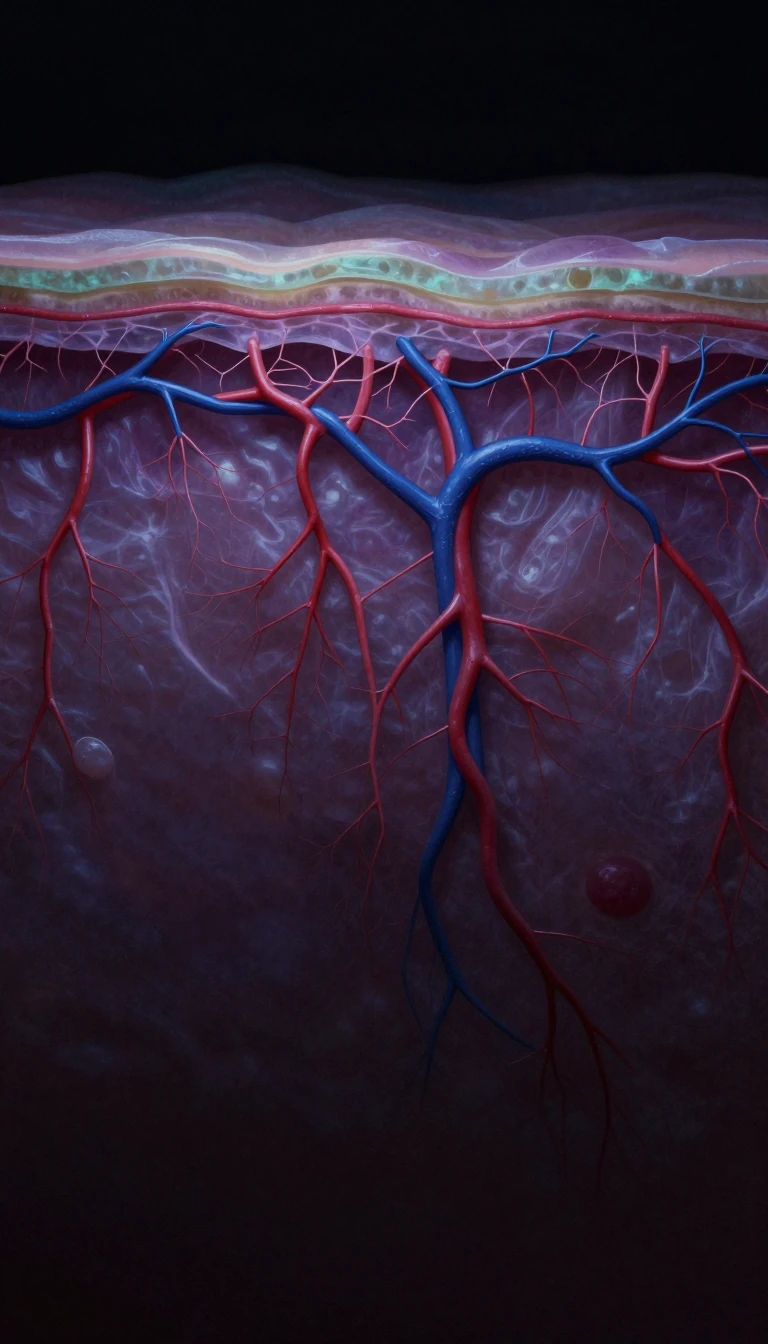 Why the name of this critical leg artery is causing dangerous medical confusionThe femoral artery is the primary blood supply to your leg and a vital gateway for surgeons to access the heart. Yet, its anatomical naming convention is so misleading that it has…
 Furosemide: The Water Tablet That Keeps Millions of Hearts and Kidneys Functioning DailyKnown as a diuretic, furosemide is a vital tool for managing fluid buildup caused by heart failure, liver cirrhosis, or kidney disease. By encouraging the body to shed excess wate…
 Gastritis is inflammation of the stomach lining, but why does it happen and persist?Gastritis is inflammation of the stomach lining, often triggered by infections or chemical irritants. While frequently temporary and mild, it can become chronic, leading to compli…
- Why a simple runny nose might signal a rare, life-threatening blood vessel disease.Granulomatosis with polyangiitis is a rare autoimmune condition that triggers inflammation in small blood vessels. Often mimicking a common cold, it can progress to damage vital o…
 Your blood stem cells mutate with age, potentially linking your immune system to brain health.Every day, your body produces billions of new blood cells from bone marrow stem cells. While this process is essential for survival, it is not perfect. As you age, mutated blood s…
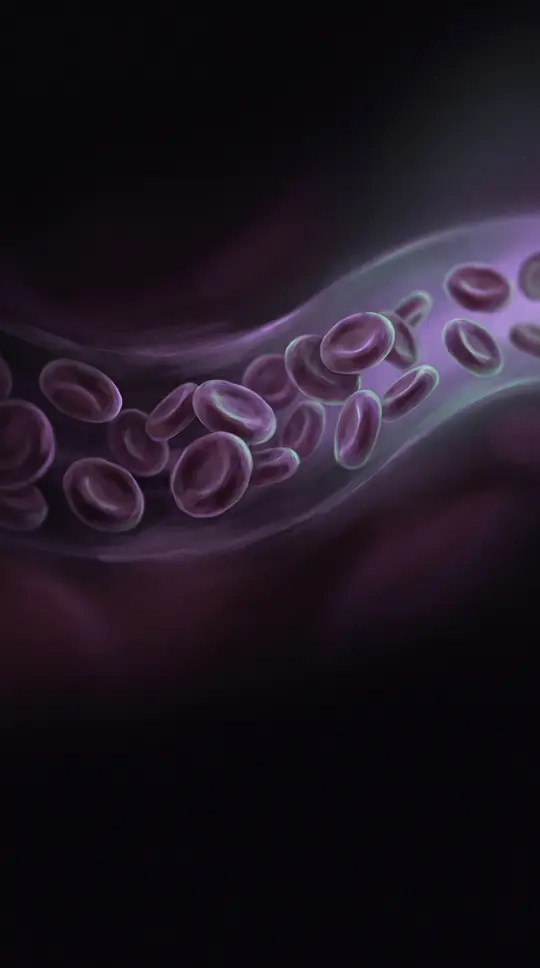 When your immune system turns against you: The mystery of HLHHemophagocytic lymphohistiocytosis is a life-threatening condition where an overactive immune system attacks the body instead of foreign invaders. These abnormal white blood cells…
 Why the world's hottest chili peppers are evolving to store heat in their fleshThe race to breed the world's hottest chili pepper has moved beyond traditional limits. While standard peppers concentrate heat in their seeds and pith, super-hot varieties have d…
 Is your stomach pain truly indigestion, or is your body signaling something else entirely?Indigestion, or dyspepsia, is a common experience, yet it is often misunderstood. While frequently linked to stomach acid and dietary choices, it can also mask serious conditions.…
 An infarction is more than just a heart attack; it is tissue death everywhere.We often equate infarction with heart attacks, but the term describes a broader biological catastrophe: the death of tissue due to a sudden loss of blood supply. From the brain to…
 Interoception is the silent sense that tells you how you feel inside right now.You know you are hungry or need a bathroom break because your body sends signals to your brain. This process, called interoception, is your internal awareness system. It helps you…
 When an intestine folds like a telescope, it becomes a medical emergency for children.Intussusception occurs when one segment of the intestine slips inside another, creating a dangerous obstruction. While often mysterious in origin, this telescoping action can cut …
 Why your phone's waterproof rating is more complex than a simple marketing labelThe IP code on your device is not just a vague promise of durability. It is a precise technical standard defining how well an enclosure resists dust and water. Understanding these…
 Why the tiny island fox defies the rules of evolution and brain sizeThe island fox, a miniature relative of the mainland gray fox, evolved to be 25% smaller through insular dwarfism. Yet, despite their shrinking bodies, most subspecies have develo…
 Why ancient Japanese samurai helmets were designed to be both lethal and symbolicThe kabuto was far more than a protective shell for the samurai. Evolving from simple iron plates into elaborate, status-defining art, these helmets served as both battlefield arm…
- Laxatives are not a one-size-fits-all solution for digestive health and bowel regularityLaxatives are common, but they function through distinct biological mechanisms. From increasing fiber bulk to stimulating nerves, these medicines are not interchangeable. Understa…