A 12th-century masterpiece of cultural engineering and architectural fusion
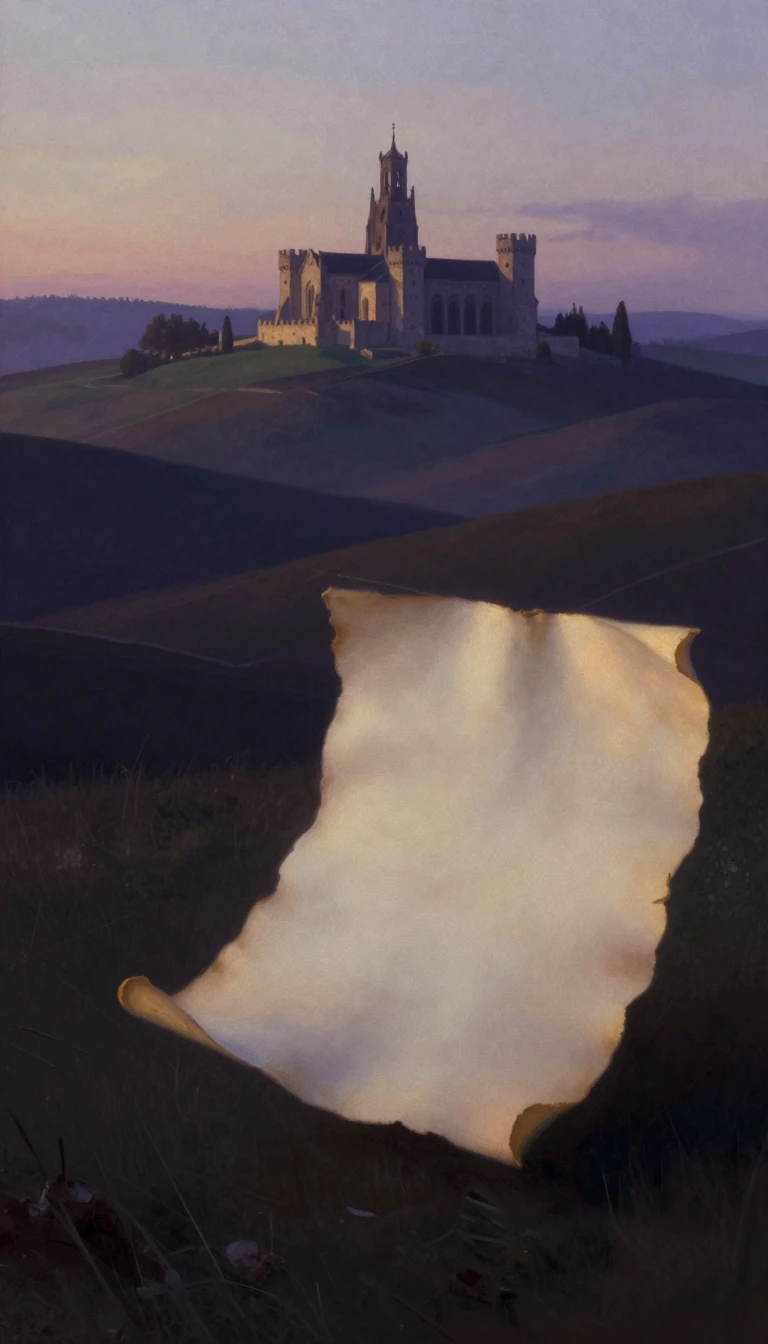
In short: In the heart of Palermo, a royal chapel serves as a physical manifesto of power. By weaving together Byzantine, Norman, and Fatimid styles, Roger II of Sicily created a space where diverse religious and artistic traditions didn't just coexist—they were engineered to project a singular, divine authority.
Commissioned in 1132 by Roger II of Sicily, the Cappella Palatina is a premier example of 'cultural engineering.' It reflects the tricultural state of 12th-century Sicily, blending the Byzantine dome and mosaics, Norman architecture, and Fatimid muqarnas ceilings. This deliberate juxtaposition served as a display of power, signaling Roger's ability to unify a diverse land under his rule. The chapel's layout even reflects this political strategy: by making the throne room and chapel nearly equal in size, Roger sent a clear message to the papacy and European rulers that his authority in Sicily was absolute.
The most striking feature is the wooden muqarnas ceiling, which is the earliest surviving example of its kind in Italy. These intricate, non-structural ornaments are composed of tiny wooden pieces, ranging from 1 to 1.5 centimeters, reinforced with fiber bindings and animal glue. While scholars debate their exact origin—theories range from North Africa and Egypt to Syria—the leading theory suggests they were imported by Fatimid artists fleeing unrest in Cairo. The ceiling serves no structural purpose; instead, it creates an interplay of light and volume, representing an Islamic vision of paradise while featuring Christian iconography, such as clusters of eight-pointed stars arranged to form a cross.
The chapel’s interior is a layered history of patronage. The sanctuary features high-quality Byzantine mosaics, some dating to the 1140s, depicting Greek fathers and scenes from the life of Christ. In contrast, the nave's mosaics, executed in the 1160s or 1170s, are cruder and feature Latin inscriptions, likely the work of local craftsmen. The space is further adorned with approximately 75 inscriptions in Kufic script, serving as blessings for regal power, prosperity, and health. Together, these elements create a 'melting pot' of Middle Byzantine art and Islamic geometry, all designed to reinforce the Norman dynasty's divine right to rule.
theme perspective mood reflective difficulty 3 topics [
Opens the Intellect+ feed with this card first. Swipe up for the next one.
Sources
- Summary by Intellect · source: Cappella Palatina
To cite this card, link to https://intellectplus.co.uk/app/health-cappella-palatina.
How we source, check and correct cards: Editorial standards.
General information, not professional advice. Spotted an error? Flag the card or see corrections and complaints.
Intellect Plus is a visual educational discovery platform for exploring fascinating facts and ideas. Brain Food, Not Brain Rot. What is Intellect Plus?
Related
More in Middle ages · More in History · Latest · A–Z · All topics
