Your body has a natural clock that ignores your alarm
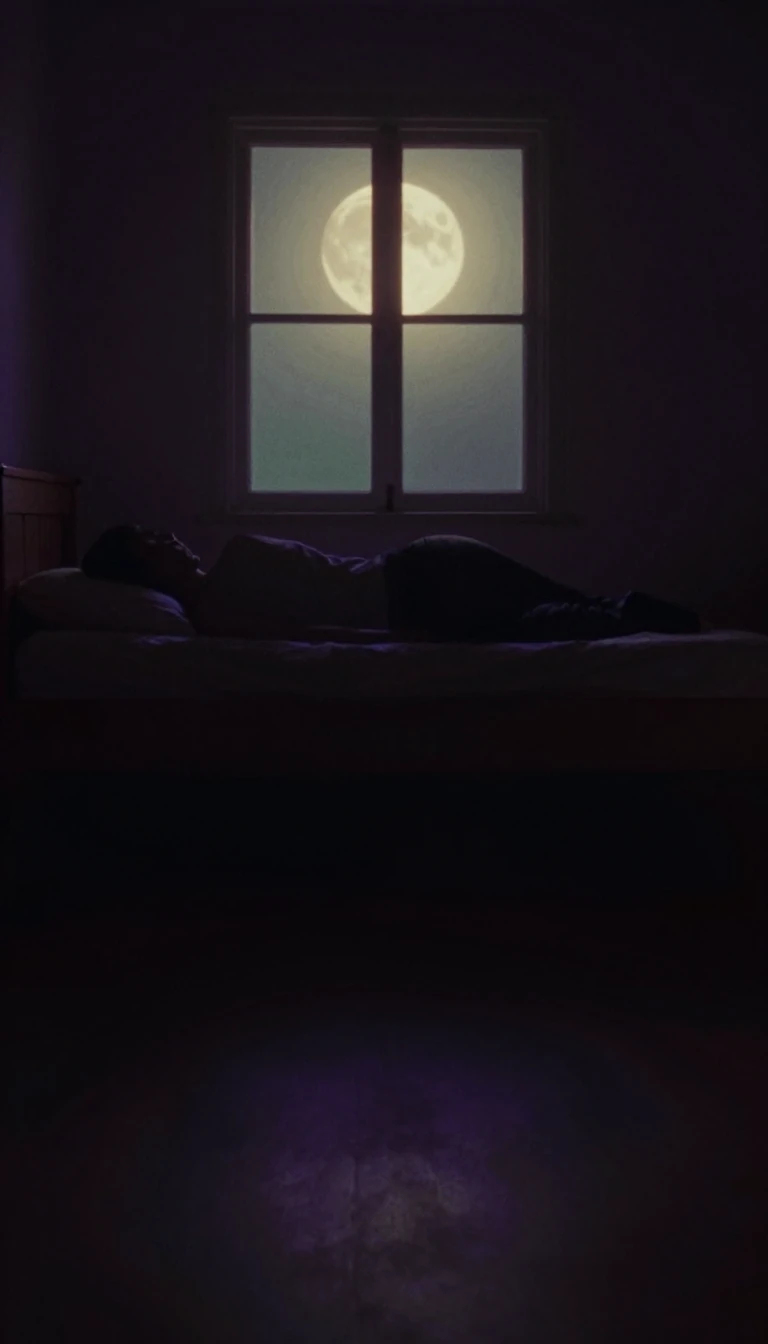
In short: Some people are biologically wired to thrive at dawn, while others find their peak only after sunset. This isn't a lack of willpower or a bad habit; it is your chronotype. Understanding this internal rhythm is the key to avoiding "social jet lag" and optimizing your daily energy.
A chronotype is the behavioral expression of your underlying circadian rhythm—the internal clock that regulates physiological processes like hormone levels, body temperature, and cognitive function. While many people believe their sleep habits are dictated by work schedules or personal discipline, research suggests these are often external pressures. Your true chronotype is your body's natural preference for when it wants to sleep and wake up without outside interference. This is regulated by a complex interaction between "CLOCK genes" and environmental cues like light, feeding, and social behavior.
The science of chronotypes has evolved significantly since the 1970s. Modern research identifies a spectrum ranging from "morningness" to "eveningness." For instance, children often prefer an advanced sleep period, while adolescents frequently shift toward a delayed period, with many elderly individuals returning to an advanced preference. Because of these variations, a mismatch between your biological clock and your social obligations can lead to "social jet lag," which can negatively impact sleep quality, alertness, and overall well-being over time.
To make these concepts more accessible, psychologist Michael Breus proposed four animal-based categories in 2016. "Lions" are early risers who feel energized in the morning but decline as the day progresses. "Bears" follow the sun, peaking in productivity between 10 a.m. and 2 p.m. "Wolves" feel most alert in the late afternoon and evening, often finding traditional 9-to-5 jobs challenging. Finally, "Dolphins" are light sleepers with fragmented sleep and varied energy levels. Identifying your type allows for more informed choices about sleep timing and daily routines to improve alertness.
Recent studies have explored how these types interact with other factors. For example, research on over 1,000 college students found that the impact of physical activity on sleep quality can be influenced by chronotype, specifically regarding how social jetlag affects the body. Interestingly, while chronotype can influence the subjective feeling of mental fatigue and sleepiness, some studies suggest it may not significantly alter actual physical performance outcomes, highlighting the nuanced way our internal clocks shape our experience of the world.
Opens the Intellect+ feed with this card first. Swipe up for the next one.
Sources
- Summary by Intellect · source: Sleep Chronotypes: What They Are and How To Figure Yours Out
- Also: Chronotype
- Also: No Influence of Sleep Quality and Chronotype on the Effects of Mental Fatigue: Evidence From an Exploratory Analysis.
To cite this card, link to https://intellectplus.co.uk/app/health-chronotype.
How we source, check and correct cards: Editorial standards.
General information, not professional advice. Spotted an error? Flag the card or see corrections and complaints.
Intellect Plus is a visual educational discovery platform for exploring fascinating facts and ideas. Brain Food, Not Brain Rot. What is Intellect Plus?
Related
More in Sleep · More in Health · Latest · A–Z · All topics
