The biological cost of being a creature of the night
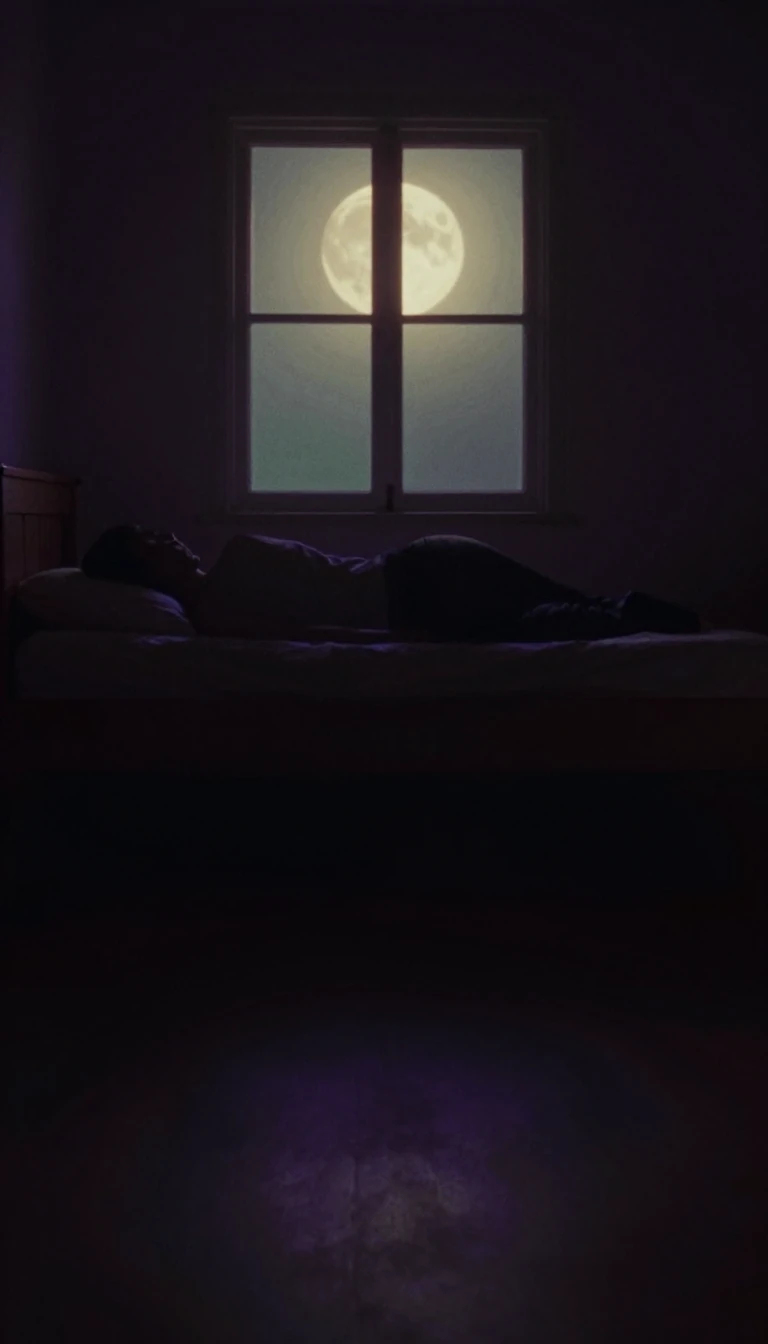
In short: Staying up late isn't just a personality trait; it is a deeply rooted genetic and environmental blueprint. While some find success in the midnight oil, our internal clocks can clash with modern society, potentially impacting everything from cognitive performance to how we respond to medical treatments.
The 'night owl' identity is governed by chronotypes—biological rhythms that determine our preference for morningness or eveningness. While many people fall into the middle of this spectrum, a 2007 survey of over 55,000 people confirmed that extreme types exist at both ends. These patterns are influenced by a complex interplay of genetics, age (with teenagers and young adults being more likely to be night owls), and environmental factors like light exposure and lifestyle choices.
The shift toward nocturnal activity in humans was significantly accelerated during the 17th and 18th centuries with the advent of artificial lighting. This cultural shift introduced a new era of 'nightlife' fueled by coffee, tea, and chocolate. However, our bodies still rely on an internal 24-hour clock that responds to natural cues like sunlight to regulate hormones. For example, cortisol—the hormone responsible for alertness—peaks in the early morning; night shifts can disrupt this cycle, potentially leading to declines in cognitive and physical performance.
Research highlights significant nuances regarding the 'owl' lifestyle. Some studies suggest night owls may score higher on inductive reasoning tests (a proxy for intelligence) and be more creative, yet they often lag behind 'larks' in academic performance and exhibit unhealthier eating habits. Furthermore, there are medical implications: some adults with depression showed lower efficacy of certain medications when they had a high eveningness preference. On the genetic level, researchers have identified specific genes like LZTR1 (nowl) that regulate sleep through GABA signaling, suggesting that our sleep patterns are tied to fundamental metabolic and neurological homeostasis.
Opens the Intellect+ feed with this card first. Swipe up for the next one.
Sources
- Summary by Intellect · source: Night owl
- Also: Analysis of genes within the schizophrenia-linked 22q11.2 deletion identifies interaction of night owl/LZTR1 and NF1 in GABAergic sleep control.
- Also: Frontiers in neurology — Is being a night owl associated with higher migraine-related disability in patients with migraine? · CC BY
To cite this card, link to https://intellectplus.co.uk/app/health-night-owl.
How we source, check and correct cards: Editorial standards.
General information, not professional advice. Spotted an error? Flag the card or see corrections and complaints.
Intellect Plus is a visual educational discovery platform for exploring fascinating facts and ideas. Brain Food, Not Brain Rot. What is Intellect Plus?
Related
More in Sleep · More in Health · Latest · A–Z · All topics
