The cuttlefish's internal shell is a masterclass in structural engineering and damage tolerance
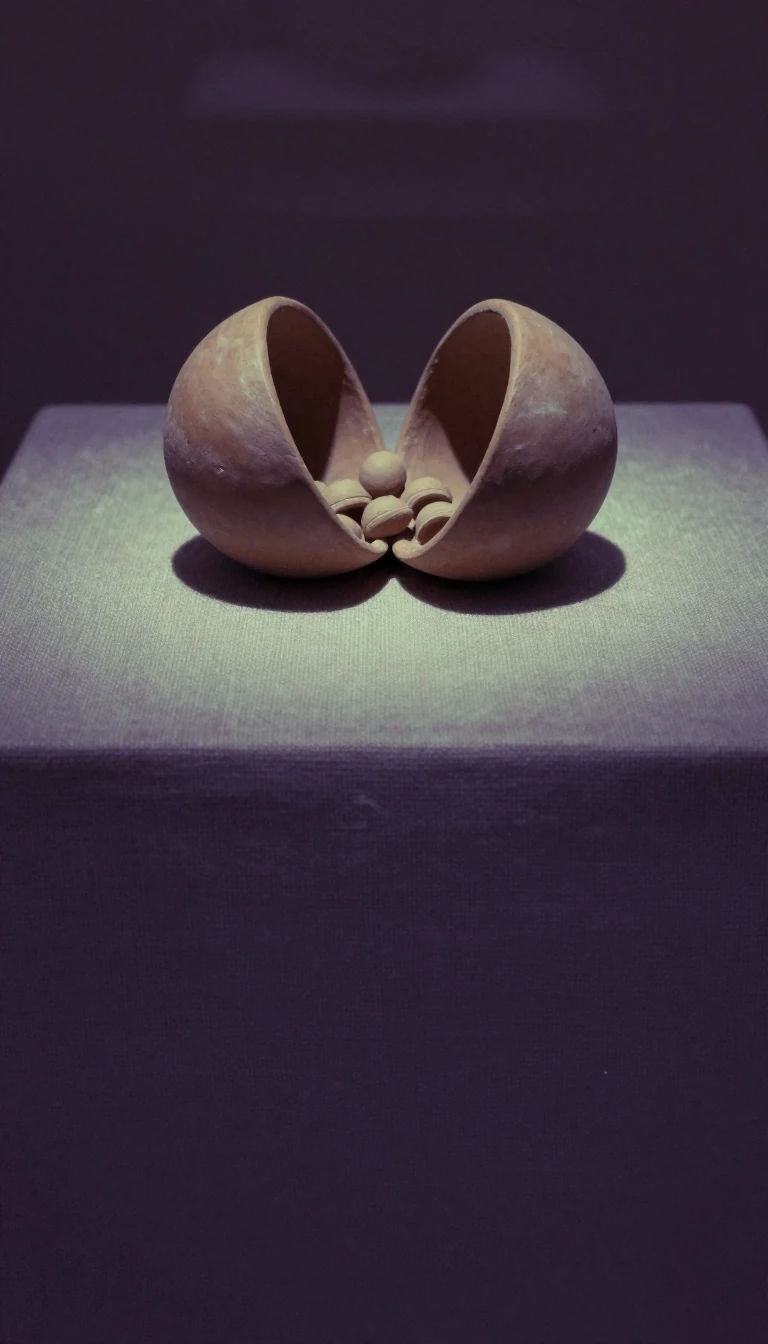
In short: Cuttlebone is more than just a beach-found curiosity for pet birds. This chambered, aragonite-based structure allows cuttlefish to control buoyancy while resisting immense underwater pressure. Its unique, wavy microstructure has become a blueprint for scientists designing advanced, lightweight materials that are simultaneously stiff and remarkably resistant to catastrophic failure.
The cuttlebone is an internal shell found in the Sepiidae family, composed of roughly 95% aragonite and 5% organic material. Its architecture is defined by horizontal septa and vertical, corrugated pillars that create a chambered, porous structure exceeding 90% porosity by volume. This design is essential for the cuttlefish, which uses a specialized organ called the siphuncle to fill these chambers with gas or liquid for precise buoyancy control. Because these structures implode at depths between 200 and 600 metres, most species are restricted to shallow continental shelf waters.
Engineers study cuttlebone for its ability to balance stiffness with damage tolerance—a rare feat for brittle aragonite. When subjected to compressive force, the structure fails in three stages: local crack formation, crack expansion, and densification. The corrugated, wavy walls are critical here; they inhibit crack propagation, forcing the structure to absorb significant energy before failing. Furthermore, the chambers fail sequentially, prevented from collapsing all at once by the stronger, double-layered 'plywood' structure of the septa. This sequential failure ensures the animal can withstand high pressure without sudden, total structural collapse.
Beyond biology, this mechanism has inspired modern material science. Researchers have used micro-CT scans to replicate the 'controlled disorder' of cuttlebone in 3D-printed metamaterials. By increasing structural disorder, scientists have achieved significant gains in compressive strength and energy absorption while moving toward greater isotropy. These biomimetic foams are now being explored for high-performance applications in aerospace, protective gear, tissue engineering, and even superconducting scaffolds, proving that nature’s solutions to marine survival offer a robust paradigm for next-generation engineering.
Historically, the utility of cuttlebone was more domestic. It was ground into polishing powder for goldsmiths, used as an antacid, and served as a carving medium for jewelry and small sculptures due to its heat resistance. Today, its primary non-biological use remains as a calcium-rich dietary supplement for various pets, though it continues to hold potential as a raw material for calcitic lime production.
Opens the Intellect+ feed with this card first. Swipe up for the next one.
Sources
- Summary by Intellect · source: Cuttlebone
- Also: Unraveling the Power of Disorder: A Bioinspired Cuttlebone Structure With Superior Strength, Energy Absorption and Isotropy.
To cite this card, link to https://intellectplus.co.uk/app/health-cuttlebone.
How we source, check and correct cards: Editorial standards.
General information, not professional advice. Spotted an error? Flag the card or see corrections and complaints.
Intellect Plus is a visual educational discovery platform for exploring fascinating facts and ideas. Brain Food, Not Brain Rot. What is Intellect Plus?
Related
More in Anatomy and morphology · More in Health · Latest · A–Z · All topics
