The daylily is a botanical master of adaptation, but it is no true lily.
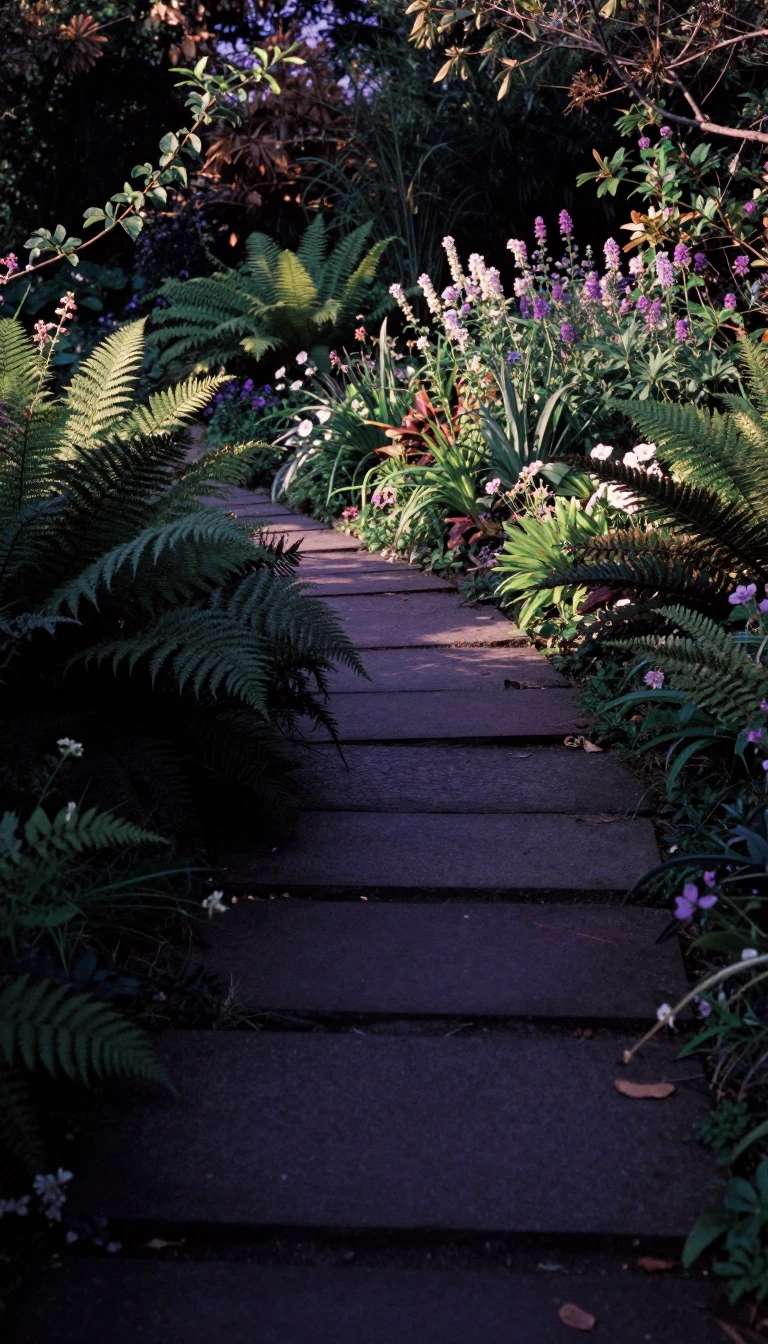
In short: Despite their name, daylilies are not lilies at all. These resilient perennials, native to Asia, are famous for flowers that bloom for just twenty-four hours. Yet, through intense hybridization, they have become one of the most diverse and adaptable garden plants, thriving in climates ranging from USDA zones 1 through 11.
Daylilies belong to the genus Hemerocallis, a name derived from the Greek words for 'day' and 'beautiful.' While they were once classified within the lily family, modern genetic analysis has moved them to the Asphodelaceae family. These plants are defined by their fibrous-tuberous root systems, which store vital nutrients and water, allowing them to endure drought and frost. Their leaves grow in a fountain-like shape, and their flowers are produced on scapes, often opening in the morning and withering by the following night.
The genus is remarkably versatile, with over 100,000 registered cultivars as of 2024. While wild species typically appear in yellow, orange, or pink, hybridizers have expanded the color palette to include vibrant reds, purples, and near-black tones. However, a true blue daylily remains elusive. Breeders have also focused on structural traits, such as ruffled edges, fragrant blooms, and increased cold-hardiness. Recent efforts have prioritized tetraploid plants, which possess 44 chromosomes and often feature sturdier stems compared to the traditional 22-chromosome diploid varieties.
Beyond aesthetics, daylilies serve as food and medicine in East Asia, where they have been cultivated for thousands of years. Certain species, such as Hemerocallis citrina, are used in traditional cuisine, while others contain root neurotoxins like hemerocallin. In the garden, they are prized for their low-maintenance nature, though they are not immune to pests like the daylily gall midge. Today, researchers are even investigating the plant's genetic mechanisms, such as MYB transcription factors, to develop salt-tolerant varieties for coastal landscaping.
The plant's popularity in the West grew significantly after the 1920s, with the introduction of iconic cultivars like 'Hyperion.' Today, they are considered a staple of the nursery trade, with prices ranging from affordable options to rare hybrids that sell for thousands of dollars. Whether as a 'ditch lily' along a roadside or a prize-winning specimen in a formal garden, the daylily remains a testament to the power of selective breeding.
Opens the Intellect+ feed with this card first. Swipe up for the next one.
Sources
- Summary by Intellect · source: Daylily
- Also: www.rhs.org.uk — Hemerocallis (Daylily) / RHS Plant Guide
To cite this card, link to https://intellectplus.co.uk/app/health-daylily.
How we source, check and correct cards: Editorial standards.
General information, not professional advice. Spotted an error? Flag the card or see corrections and complaints.
Intellect Plus is a visual educational discovery platform for exploring fascinating facts and ideas. Brain Food, Not Brain Rot. What is Intellect Plus?
Related
More in Anatomy and morphology · More in Health · Latest · A–Z · All topics
