How tiny amounts of pressure can physically reshape your jaw and teeth over time
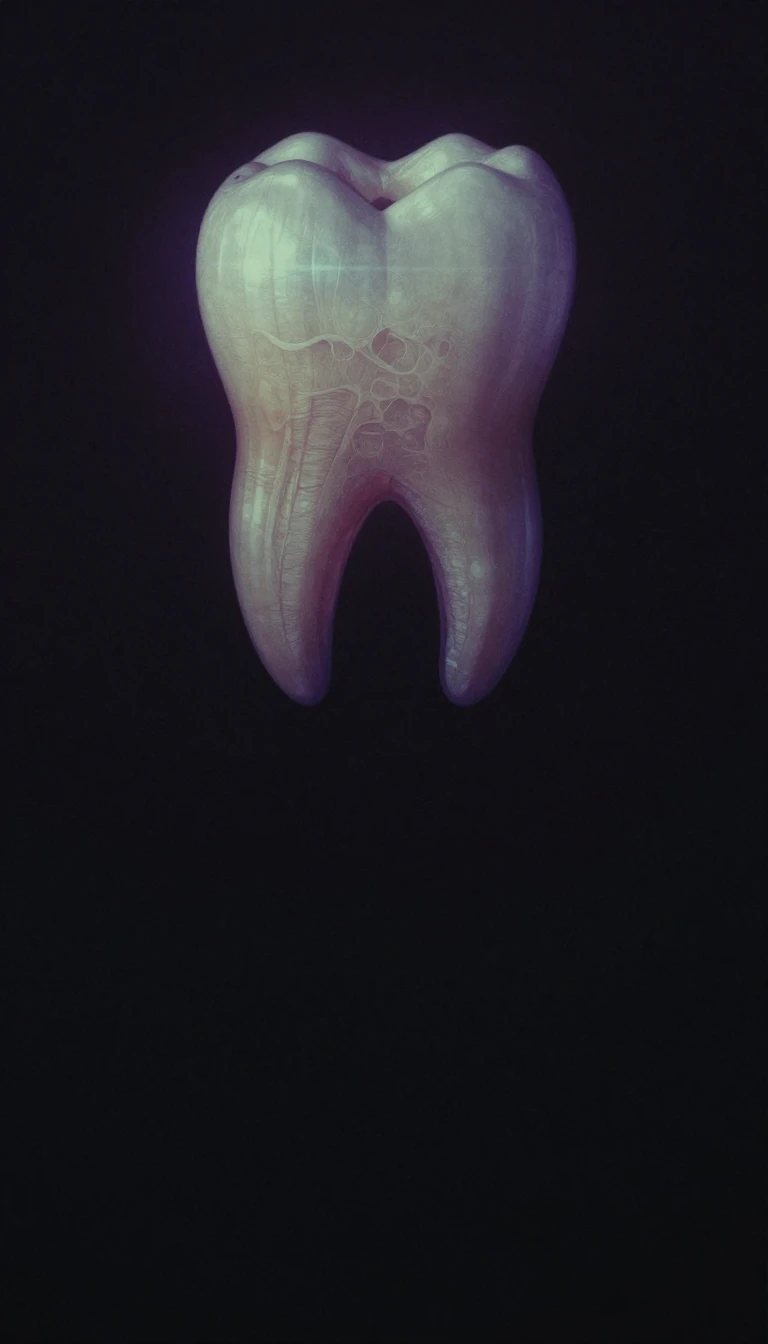
In short: Dental braces do more than just straighten a smile; they trigger a complex biological process called bone remodeling. By applying constant, calculated pressure, these devices force the body to dissolve and rebuild bone tissue. It is a precise biomechanical feat that turns rigid structures into a malleable, shifting landscape.
At the heart of orthodontic treatment is the biomechanical process of bone remodeling. When braces apply sustained pressure to a tooth, the periodontal ligament is compressed. This triggers the body to initiate bone resorption, where cells known as osteoclasts break down existing bone tissue. Simultaneously, bone deposition occurs in the distracted ligament, allowing new bone to form and support the tooth in its updated position. This cycle of destruction and creation is what allows teeth to migrate through the jaw over a period of one to two years.
The hardware used to facilitate this movement typically consists of brackets bonded to the teeth with dental glue, connected by an archwire that exerts the necessary force. While traditional stainless-steel braces remain the most common, modern orthodontics offers various alternatives, including self-ligating systems that may reduce treatment time and discomfort, as well as lingual braces that are bonded to the back of the teeth for invisibility. In some cases, high-tech systems utilize 3D imaging and robotic wire-bending to optimize the path of tooth movement.
While the physical mechanics are well-understood, the experience of wearing braces can be challenging. Patients often face soreness after adjustments, requiring soft foods or painkillers. Beyond the physical discomfort, there are psychological considerations; a case report of a 12-year-old patient suggests that the dietary limitations imposed by braces can occasionally trigger atypical eating behaviors, highlighting the importance of emotional support and psychological evaluation during treatment. Ultimately, once the desired alignment is achieved, the process concludes with a retainer to prevent the teeth from drifting back to their original positions.
Opens the Intellect+ feed with this card first. Swipe up for the next one.
Sources
- Summary by Intellect · source: Braces
- Also: Dental braces
- Also: Eating Disorders in Adolescents With Dental Braces: A Case Report.
To cite this card, link to https://intellectplus.co.uk/app/health-dental-braces.
How we source, check and correct cards: Editorial standards.
General information, not professional advice. Spotted an error? Flag the card or see corrections and complaints.
Intellect Plus is a visual educational discovery platform for exploring fascinating facts and ideas. Brain Food, Not Brain Rot. What is Intellect Plus?
Related
More in Medical procedures · More in Health · Latest · A–Z · All topics
