How teeth move through bone involves a complex cellular relay
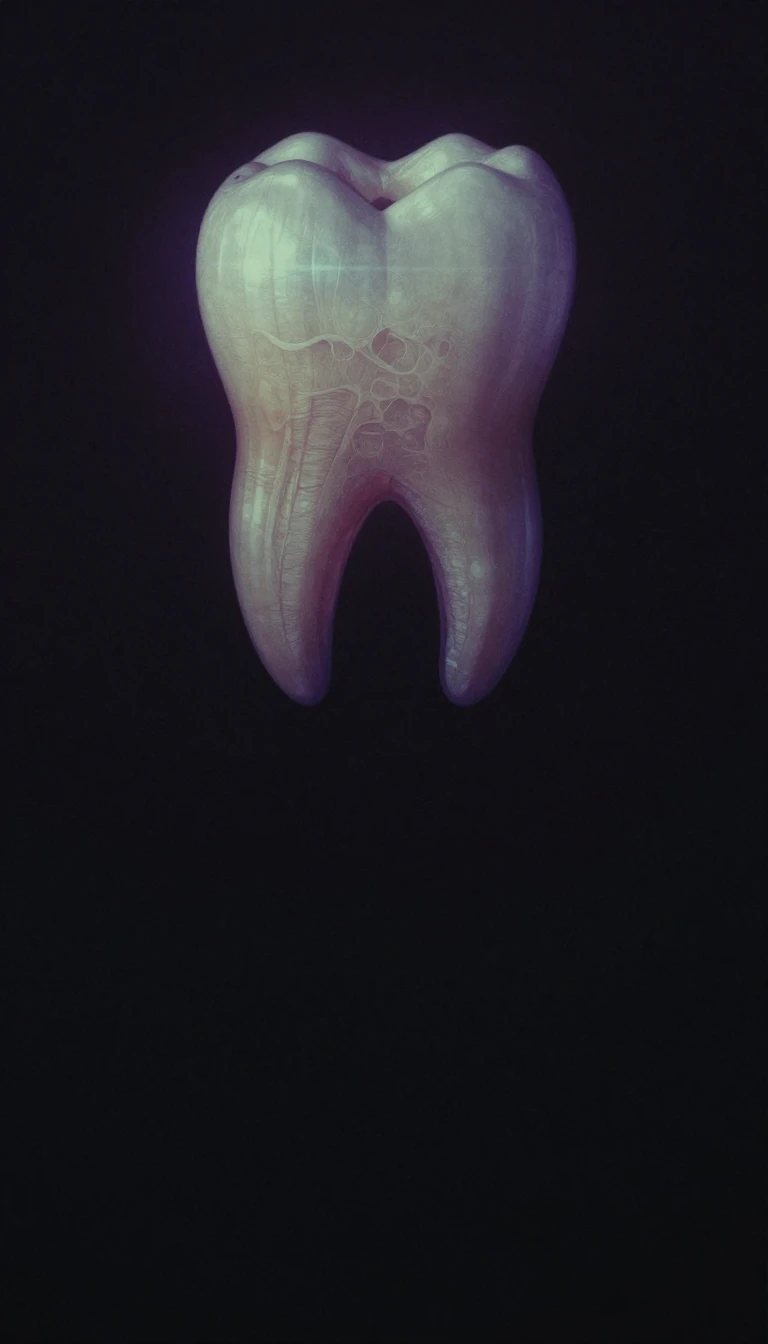
In short: Researchers reviewing the mechanisms of orthodontic tooth movement found that the process relies on a sophisticated four-step biological sequence. By examining how mechanical forces interact with the periodontium, the study highlights how cells sense and respond to the pressure required to shift teeth.
The review proposes a new hypothesis centered on the roles of periodontal ligament cells and osteocytes in sensing mechanical stimuli. It details how these cells trigger a cascade of inflammation and tissue remodeling. However, as a review of existing evidence, it synthesizes known models rather than presenting new experimental data from a single trial.
Why it matters: Understanding the cellular mechanics of tooth movement can help optimize orthodontic forces and prevent root resorption.
Opens the Intellect+ feed with this card first. Swipe up for the next one.
Sources
To cite this card, link to https://intellectplus.co.uk/app/science-research-how-teeth-move-through-bone-involves-a-complex-cellular-rela.
How we source, check and correct cards: Editorial standards.
General information, not professional advice. Spotted an error? Flag the card or see corrections and complaints.
Intellect Plus is a visual educational discovery platform for exploring fascinating facts and ideas. Brain Food, Not Brain Rot. What is Intellect Plus?
Related
More in Cell biology · More in Science · Latest · A–Z · All topics
