Dental plaque is a living, breathing, and highly organized community inside your mouth
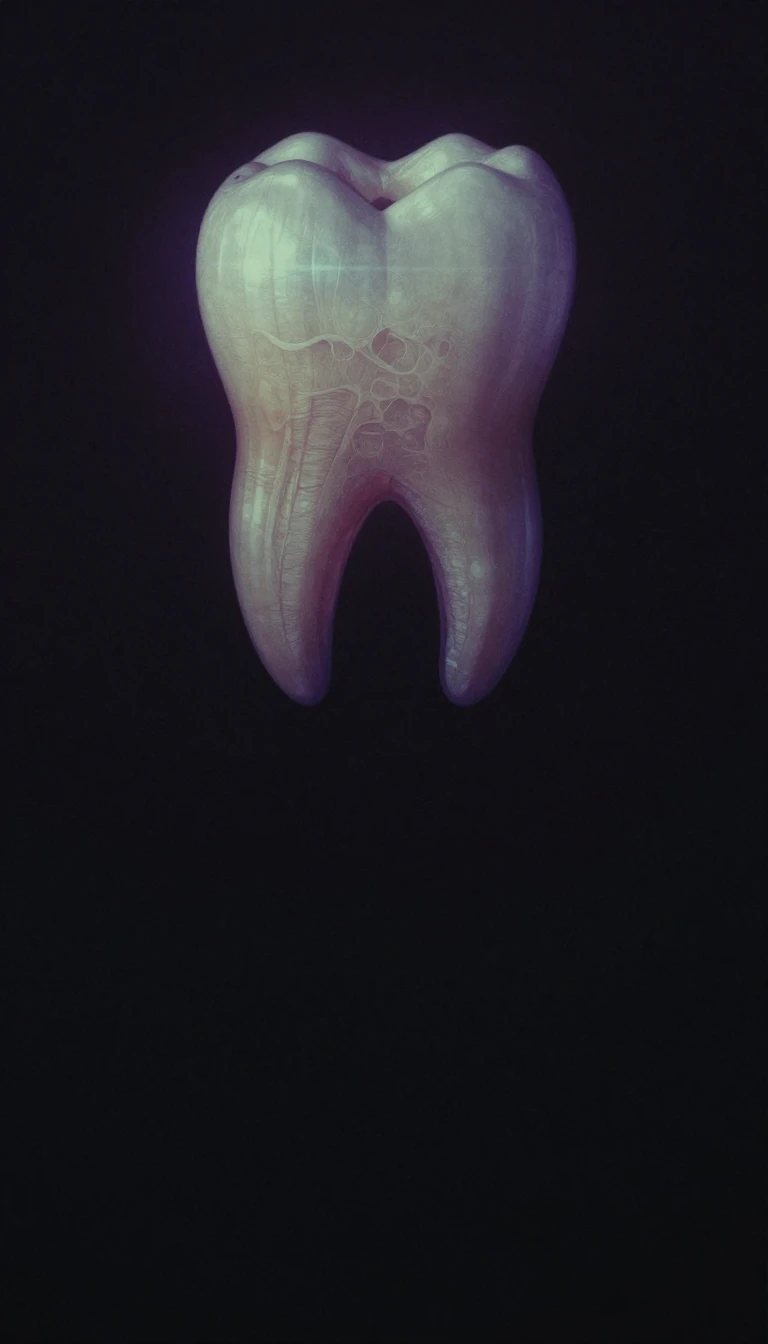
In short: You might think of plaque as simple grime, but it is actually a complex, structured biofilm. Within minutes of brushing, a microscopic ecosystem begins to colonize your teeth, eventually forming a primitive circulatory system. Understanding this hidden world is the key to preventing decay and systemic health issues.
Dental plaque is a meticulously organized microbial community that begins forming almost immediately after you brush. It starts when a salivary pellicle—a layer of glycoproteins—coats the tooth surface, providing an adhesive foundation for early bacterial colonizers. These bacteria, often Streptococci, multiply and form microcolonies, eventually secreting a protective slime layer. As the biofilm matures over days, it becomes more complex, incorporating diverse species like fusiforms, filaments, and eventually spirochetes. By the time it reaches 7 to 14 days, the community is highly structured, even developing a primitive circulatory system to sustain its inhabitants.
The environment of the mouth is uniquely suited for this growth, with a stable temperature between 35 and 36 °C and a pH range that favors bacterial proliferation. While 80–90% of plaque is water, the dry weight is dominated by bacteria, alongside polysaccharides and glycoproteins. The bacteria rely on metabolic processes to survive; those near the tooth surface ferment dietary sucrose, producing acids that demineralize enamel and lead to dental caries. If left undisturbed, this biofilm can harden into dental calculus, or tartar, which cannot be removed by brushing and requires professional intervention.
The consequences of plaque extend beyond the teeth. Plaque accumulation triggers gingivitis, an inflammatory response characterized by puffy, bleeding gums. If this persists, it can progress to periodontitis, an infection that destroys the bone supporting the teeth. Recent research suggests that the impact may be systemic; bacteria from the periodontal pocket can enter the circulatory system, potentially contributing to conditions like hypertension. Because the microbiome is so dynamic, treatments like scaling and root planing are used to restructure the community, reducing pathogens like Porphyromonas gingivalis while encouraging the return of health-associated species like Actinomyces.
Opens the Intellect+ feed with this card first. Swipe up for the next one.
Sources
- Summary by Intellect · source: Dental plaque
- Also: Effects of Non-Surgical Periodontal Therapy on Dental Plaque Microbiome.
To cite this card, link to https://intellectplus.co.uk/app/health-dental-plaque.
How we source, check and correct cards: Editorial standards.
General information, not professional advice. Spotted an error? Flag the card or see corrections and complaints.
Intellect Plus is a visual educational discovery platform for exploring fascinating facts and ideas. Brain Food, Not Brain Rot. What is Intellect Plus?
Related
More in Health and fitness · More in Health · Latest · A–Z · All topics
