Your teeth are covered in a non-living mineral shield that never regenerates itself.
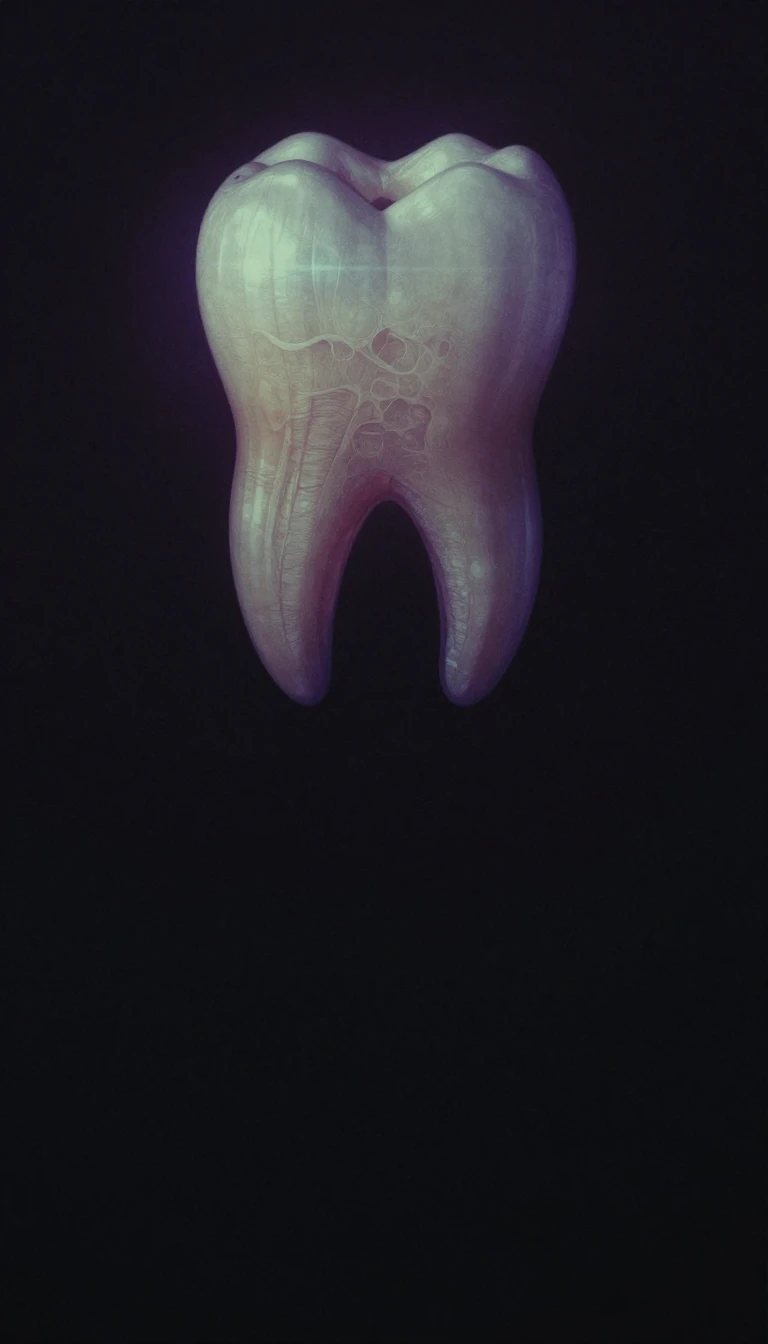
In short: Tooth enamel is the hardest substance in the human body, yet it is not a living tissue. It contains no nerves or blood vessels and cannot heal itself once damaged. This crystalline barrier protects your teeth from daily wear, but it remains vulnerable to acid erosion from bacteria and diet.
Enamel is a highly mineralized structure, composed primarily of hydroxyapatite, a crystalline calcium phosphate. Unlike bone or dentin, mature enamel is almost entirely devoid of organic matter and contains no cells, meaning it cannot repair itself through biological growth. Because it is avascular and lacks nerves, it serves as a static, protective shell for the crown of the tooth. Its extreme hardness, which ranks at 5 on the Mohs scale, is a direct result of its high mineral content—approximately 96 percent by weight.
The formation of this shield occurs before a tooth erupts into the mouth, driven by specialized cells called ameloblasts. These cells deposit enamel in a complex, organized pattern of rods, each measuring 4 to 8 micrometers in diameter. These rods are composed of tightly packed crystallites. During development, the metabolic rhythm of ameloblasts leaves behind incremental lines known as the Striae of Retzius. These bands, which appear in stained sections, are thought to reflect a weekly work-rest cycle of the cells, functioning much like the growth rings found in trees.
Despite its durability, enamel is brittle and susceptible to degradation. Microorganisms in the oral cavity metabolize ingested sugars and carbohydrates into acidic byproducts, such as lactic and acetic acid, which can dissolve the mineral structure. While the body cannot regenerate lost enamel, dentistry employs various interventions to mitigate decay, including the application of fluoride, which has been observed to reduce caries incidence by up to 65 percent. Additionally, sealing biting surfaces with adhesive plastics provides a physical barrier against bacterial invasion, highlighting the necessity of external maintenance for this irreplaceable biological armor.
Opens the Intellect+ feed with this card first. Swipe up for the next one.
Sources
- Summary by Intellect · source: Enamel | Protection, Calcium & Hardness | Britannica
- Also: Tooth enamel
- Also: What Is Tooth Enamel?
To cite this card, link to https://intellectplus.co.uk/app/nature-tooth-enamel.
How we source, check and correct cards: Editorial standards.
General information, not professional advice. Spotted an error? Flag the card or see corrections and complaints.
Intellect Plus is a visual educational discovery platform for exploring fascinating facts and ideas. Brain Food, Not Brain Rot. What is Intellect Plus?
Related
More in Organisms · More in Nature · Latest · A–Z · All topics
