The biological reality behind the folklore of the crushing demon
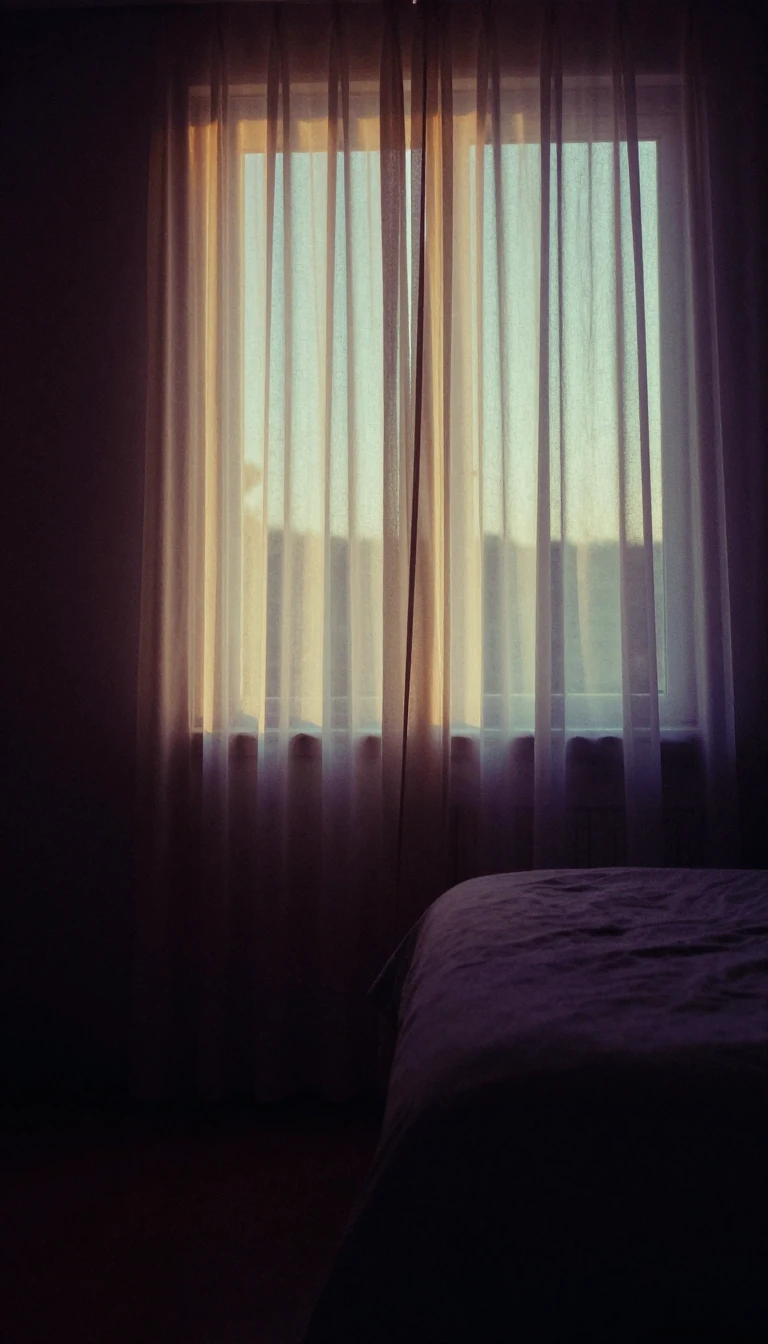
In short: In Brazilian folklore, a crone with long fingernails known as the Pisadeira tramples on the chests of those who sleep on their backs. While this feels like a ghost story, it is actually a cultural interpretation of a specific neurological phenomenon: sleep paralysis.
Sleep paralysis is a dissociative state occurring primarily during awakening. It is characterized by a temporary inability to perform voluntary movements, combined with altered perceptual and emotional functions. Common experiences include a heavy sensation of pressure on the chest, visual hallucinations, and a profound sense of dread or the feeling of an impending death. While many people experience it rarely, it is classified as a parasomnia—a sleep disorder—when it becomes recurrent or is linked to significant emotional distress. This state often involves delusions regarding a frightening presence. It is most frequently triggered when an individual is in a supine position. Researchers distinguish these episodes from normal sleep when they occur with significant emotional burden.
Humanity has historically interpreted these biological glitches through a supernatural lens. In Nigeria, sleep paralysis is attributed to a female demon; in Japanese tradition, it is seen as a vengeful spirit suffocating its enemies. Even modern reports of 'alien abductions' often mirror the symptoms of sleep paralysis. The Brazilian legend of the Pisadeira specifically targets those who sleep on a full stomach with their bellies up, providing a folk explanation for the physical sensations of chest pressure and paralysis. Canadian Eskimos believe shamans cast spells to induce these hallucinations. These stories serve as a way to interpret the brain's transition between sleep and wakefulness. The Pisadeira specifically lurks on roofs at night to find her victims.
The study of these phenomena falls under ethnopsychology, which examines how specific biological events are shaped by cultural contexts. It demonstrates that while the underlying mechanism is biological, the 'monster' we see is often a product of our own cultural heritage. This review aims to fill a gap in sleep science by connecting these folk tales to neuropsychological data. It highlights how different peoples interpret the same biological phenomenon. The research emphasizes the similarities and differences across various historical and artistic manifestations.
Opens the Intellect+ feed with this card first. Swipe up for the next one.
Sources
- Summary by Intellect · source: Sleep Paralysis in Brazilian Folklore and Other Cultures: A Brief Review.
- Also: Devil Summoner
To cite this card, link to https://intellectplus.co.uk/app/health-devil-summoner.
How we source, check and correct cards: Editorial standards.
General information, not professional advice. Spotted an error? Flag the card or see corrections and complaints.
Intellect Plus is a visual educational discovery platform for exploring fascinating facts and ideas. Brain Food, Not Brain Rot. What is Intellect Plus?
Related
More in Future Frontier · More in Health · Latest · A–Z · All topics
