From colonial rice giant to a nation defined by agriculture
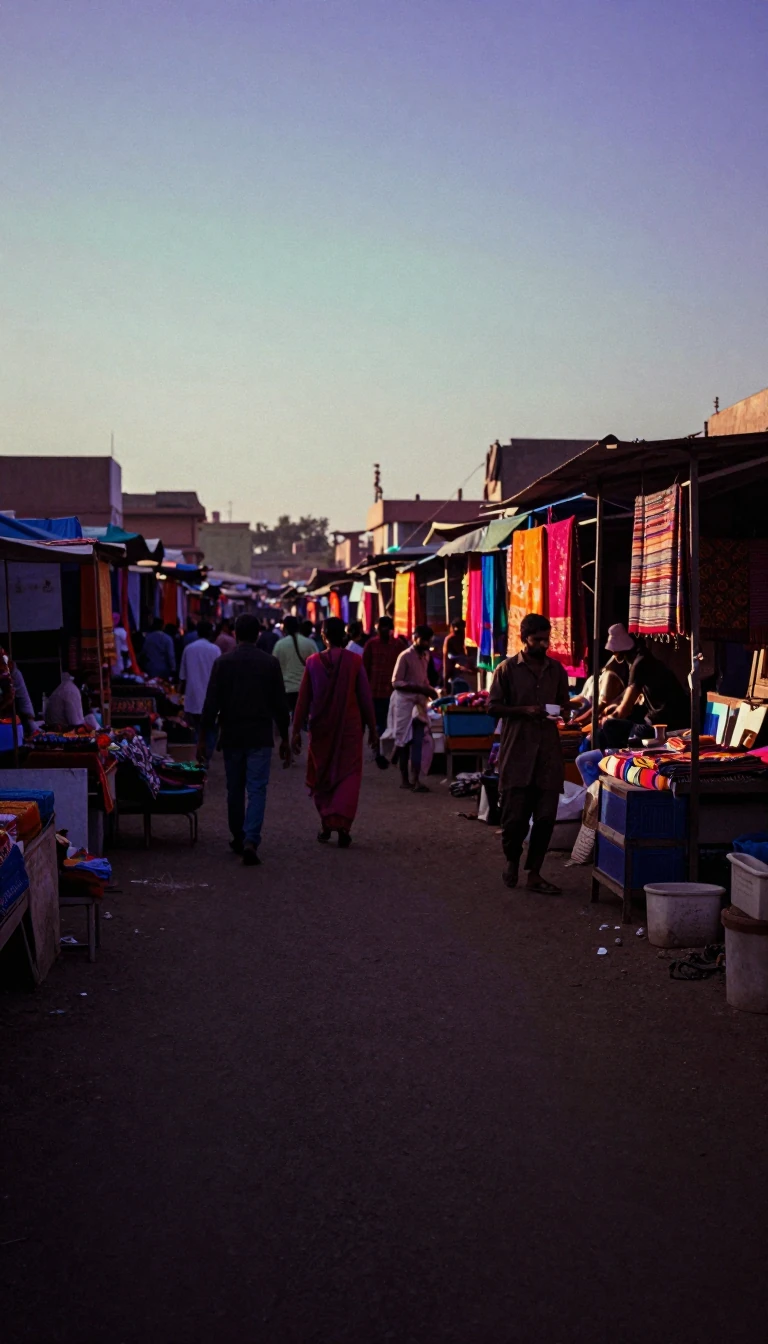
In short: In the 1920s, Rangoon was the world's largest immigration port, fueled by a colonial economy that turned Myanmar into a global rice powerhouse. Today, while the nation remains an agricultural titan, its economic identity is shaped by a complex history of nationalization, sanctions, and resource extraction.
During the British colonial era, Myanmar was integrated into the global economy through forced extractive industries and cash crop agriculture. This period saw the country become the world's largest exporter of rice, primarily to European markets. However, this growth was uneven; while the economy boomed, wealth was heavily concentrated in European hands, and the Burmese population occupied the bottom of the social hierarchy. By the 1920s, Rangoon's status as a massive immigration hub was a hallmark of this era, even as the local population faced systemic marginalization.
The post-independence era brought radical shifts in economic structure. In 1962–63, the government nationalized nearly half of the country's economic output, including all large industrial enterprises, the banking system, insurance, and almost all retail and wholesale trade. Agriculture and fishing were the notable exceptions left to the private sector. This move reversed the export-oriented model of the colonial period, leading to a period of limited industrialization where manufacturing growth lagged behind neighboring countries.
In the late 20th century, trade restrictions began to ease, notably with the legalization of trade with China and Thailand. Today, Myanmar's economy is characterized by a heavy reliance on natural gas as its primary export, followed by pulses, teak, and minerals. While the country is rich in petroleum, gold, and gemstones, mining accounts for only a tiny fraction of the GDP. The nation continues to navigate a delicate balance between its traditional agrarian roots—where much of the population remains directly involved in farming—and its role as a significant regional energy and resource provider.
Recent data highlights the ongoing challenges of this transition. While the country is one of the most important agricultural nations in mainland Southeast Asia, it faces significant hurdles including soil fertility loss following farmland expansion. With domestic requirements for rice estimated at approximately 7.97 million tons, the nation's ability to maintain food security while managing its vast natural resources remains a central pillar of its economic narrative.
Opens the Intellect+ feed with this card first. Swipe up for the next one.
Sources
- Summary by Intellect · source: Myanmar - Agriculture, Manufacturing, Trade | Britannica
- Also: Economy of Myanmar
- Also: Farmland and Cropping Pattern Dynamics in Myanmar: Implications for Food Security and Sustainable Agriculture.
To cite this card, link to https://intellectplus.co.uk/app/health-economy-of-myanmar.
How we source, check and correct cards: Editorial standards.
General information, not professional advice. Spotted an error? Flag the card or see corrections and complaints.
Intellect Plus is a visual educational discovery platform for exploring fascinating facts and ideas. Brain Food, Not Brain Rot. What is Intellect Plus?
Related
More in History · Latest · A–Z · All topics
