An embolism is a traveling blockage that can strike anywhere in your body
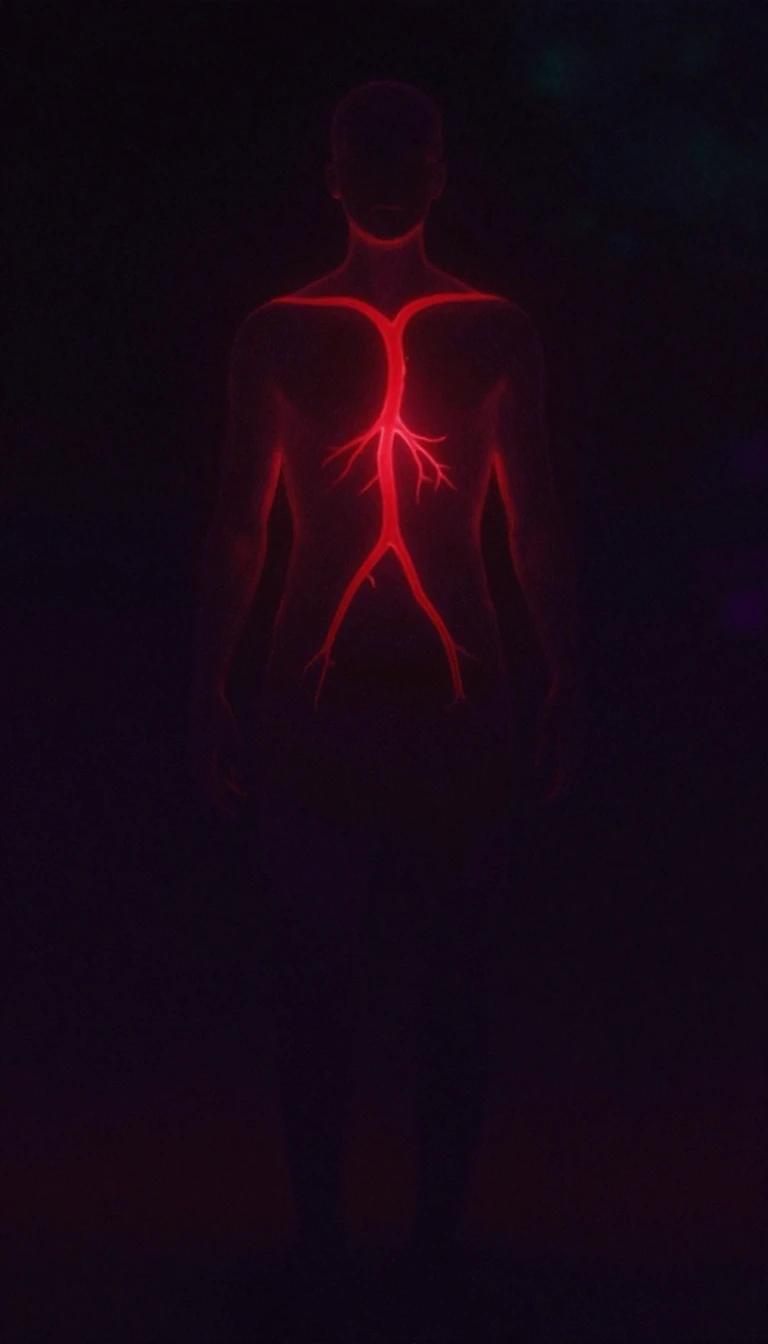
In short: An embolism occurs when a foreign object, such as a blood clot or air bubble, lodges inside a blood vessel. While often associated with the lungs, these traveling blockages can affect the brain, kidneys, or spleen. Understanding their origins is critical to preventing life-threatening complications like strokes or heart attacks.
At its core, an embolism is a mechanical event where a substance—an embolus—moves through the circulatory system until it becomes trapped. While blood clots are the most frequent culprits, other materials like fat globules, amniotic fluid, or even nitrogen bubbles can cause similar obstructions. The danger arises because these blockages often occur in areas with limited redundant blood supply, such as the brain or heart, leading to tissue death or infarction. In the lungs, which represent the most common site for an embolism, a clot typically originates in the deep veins of the legs, a condition known as deep vein thrombosis (DVT).
The movement of these blockages generally follows the direction of blood flow, known as anterograde embolism. However, rare instances called paradoxical embolisms allow clots to cross from the venous to the arterial system, usually through structural heart defects like a patent foramen ovale. While most embolisms are pathological, resulting from illness or injury, medical professionals sometimes induce them intentionally through embolization to treat conditions like tumors or internal bleeding. This dual nature highlights the body's complex vascular dynamics, where the same mechanism that sustains life can also be manipulated to stop it.
The clinical impact of these events is profound. Venous thromboembolism is remarkably common, with approximately 900,000 diagnoses annually in the United States alone. Pulmonary embolism currently ranks as the third leading cause of cardiovascular death globally, trailing only strokes and heart attacks. Because symptoms like sudden difficulty breathing or chest pain can escalate rapidly, early detection is vital. Standard treatment involves anticoagulants to prevent existing clots from enlarging and to stop new ones from forming. With prompt intervention, patients can often make a full recovery, emphasizing the importance of recognizing warning signs before a blockage becomes critical.
Opens the Intellect+ feed with this card first. Swipe up for the next one.
Sources
- Summary by Intellect · source: Pulmonary embolism
- Also: Embolism
- Also: Do You Know the Symptoms of an Embolism?
- Also: Frontiers in cardiovascular medicine — Fatigue after pulmonary embolism-prevalence and predictors. · CC BY
To cite this card, link to https://intellectplus.co.uk/app/health-embolism.
How we source, check and correct cards: Editorial standards.
General information, not professional advice. Spotted an error? Flag the card or see corrections and complaints.
Intellect Plus is a visual educational discovery platform for exploring fascinating facts and ideas. Brain Food, Not Brain Rot. What is Intellect Plus?
Related
More in Morbidity · More in Health · Latest · A–Z · All topics
