The brain builds a mental map to store your life's details
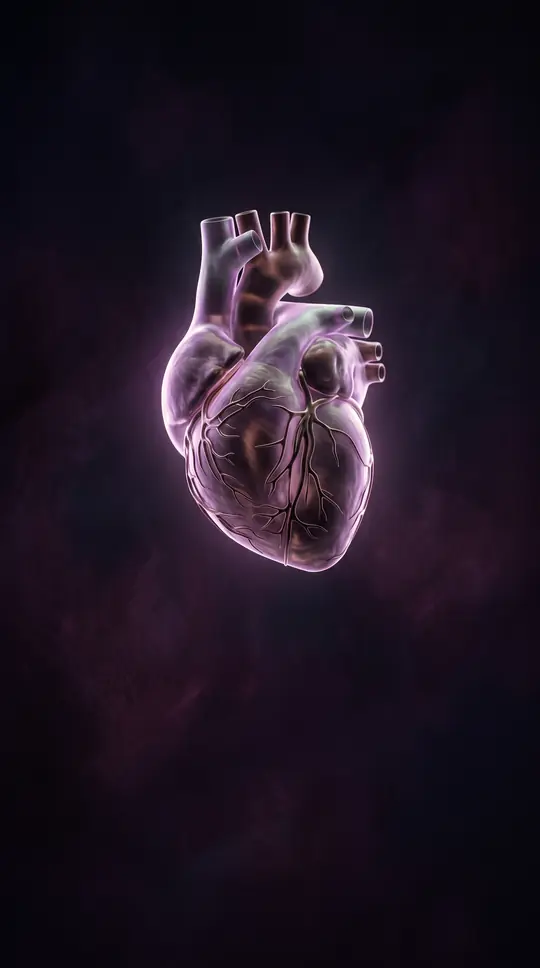
In short: Explicit memory is the conscious effort to remember facts and personal experiences. It isn't just a static filing cabinet; it is a dynamic system that links new events to old ones, allowing you to mentally relive the past or navigate the world with a sense of continuity.
Explicit memory, also known as declarative memory, is the conscious recollection of information. It is divided into two primary categories: episodic memory, which stores specific personal experiences like your first day in a classroom, and semantic memory, which holds general world knowledge like the names of capital cities or the definition of a cat. While episodic memory allows you to mentally relive a specific past event, semantic memory provides facts that are independent of personal experience.
The biological engine for these memories is largely centered in the hippocampus and surrounding structures like the parahippocampus. According to the Three Stage Model proposed by Eichenbaum et al. in 2001, the hippocampus performs three critical functions: it records episodic memories, identifies common features between different episodes, and links these commonalities within a memory space. When you meet someone new, the hippocampus creates a unique link for them, then attaches additional links for details like their shirt color or the weather, creating a networked web of information.
This system is distinct from implicit memory, which handles unconscious skills like getting dressed. While implicit memory learns rapidly from a single stimulus, explicit memory requires gradual learning and multiple presentations. Furthermore, the distinction between explicit and declarative memory can be nuanced; some researchers treat them as identical, while others distinguish explicit memory as any conscious memory and declarative memory as any memory that can be described in words.
Research into memory rehabilitation, particularly for conditions like Alzheimer's dementia, is exploring 'stimulus equivalence learning' to address explicit memory deficits. This involves training networks of relations to create emergent memories. However, current evidence on these relational learning paradigms remains inconclusive due to methodological weaknesses and mixed results depending on the severity of the impairment.
Opens the Intellect+ feed with this card first. Swipe up for the next one.
Sources
- Summary by Intellect · source: Explicit memory
To cite this card, link to https://intellectplus.co.uk/app/health-explicit-memory.
How we source, check and correct cards: Editorial standards.
General information, not professional advice. Spotted an error? Flag the card or see corrections and complaints.
Intellect Plus is a visual educational discovery platform for exploring fascinating facts and ideas. Brain Food, Not Brain Rot. What is Intellect Plus?
Related
More in Morbidity · More in Health · Latest · A–Z · All topics
