The 'aural magic' of pop music that refuses to stay in its lane
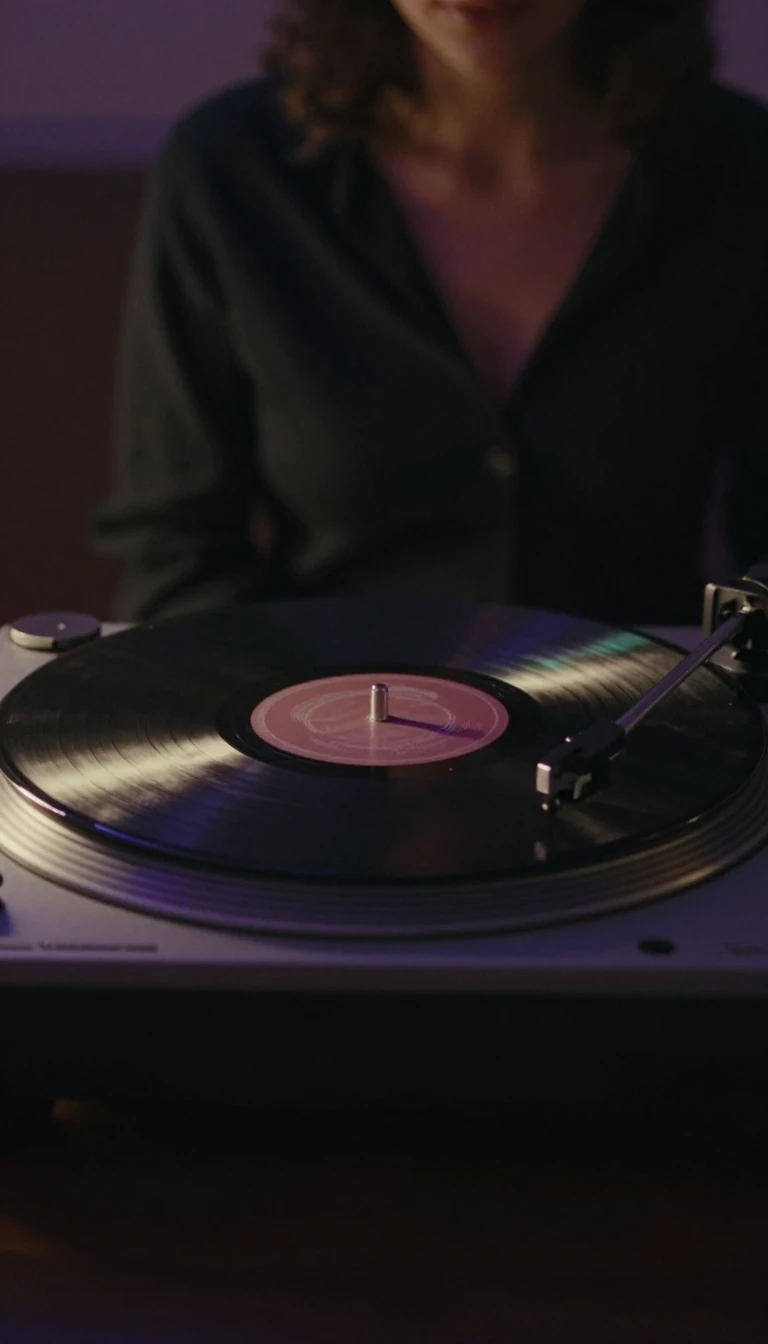
In short: Experimental pop isn't just weird music; it is a deliberate bridge between the avant-garde and the mainstream. By stretching popular forms into new territories, these artists use studio technology to create "sonic juxtapositions" that challenge our ears while remaining accessible enough to capture the public imagination.
Experimental pop functions by pushing elements of existing popular music into unconventional areas. Unlike pure avant-garde, it seeks to draw a mainstream audience toward new developments. This is achieved through techniques like musique concrète, aleatoric music, or eclecticism. Musicologist Leigh Landy notes that these settings often combine sound-based work with note-based work, though they do not always occur simultaneously.
The genre's roots are tied to the historical and material circumstances of the early 1960s. During this era, producers and engineers began freely experimenting with orchestration, unnatural reverb, and electronic effects. Notable early examples include Phil Spector’s Wall of Sound and Joe Meek’s homemade electronic effects in "I Hear a New World" (1960). By the late 1960s, highly experimental sounds were positively received by young audiences, fueled by groundbreaking works like the Beatles' "Sgt. Pepper's Lonely Hearts Club Band" (1967), which opened a space for future experimentation.
The genre has evolved through diverse movements: from the krautrock of Kraftwerk in the 1970s to Brian Eno’s systematic approach to decision-making, and even into hip hop's merger of artistic and political innovation. It thrives on the unique role of the recording studio—what composer Robert Ashley called "aural magic"—where producers cut out pieces from different tapes to create a cohesive whole. Today, it continues to manifest in everything from shoegazing guitar tones to internet-age projects blending noise with techno.
Key figures have defined its boundaries: Brian Wilson’s "Good Vibrations" (1966) introduced intricate harmonies and echo chambers to the charts, while Kate Bush and Björk became icons of its articulate language. The genre remains a constant tension between "populist cohesion" and radical innovation.
Opens the Intellect+ feed with this card first. Swipe up for the next one.
Sources
- Summary by Intellect · source: Experimental pop
To cite this card, link to https://intellectplus.co.uk/app/health-experimental-pop.
How we source, check and correct cards: Editorial standards.
General information, not professional advice. Spotted an error? Flag the card or see corrections and complaints.
Intellect Plus is a visual educational discovery platform for exploring fascinating facts and ideas. Brain Food, Not Brain Rot. What is Intellect Plus?
Related
More in Avant garde · More in Music · Latest · A–Z · All topics
