The medical theory that once blamed your teeth for everything
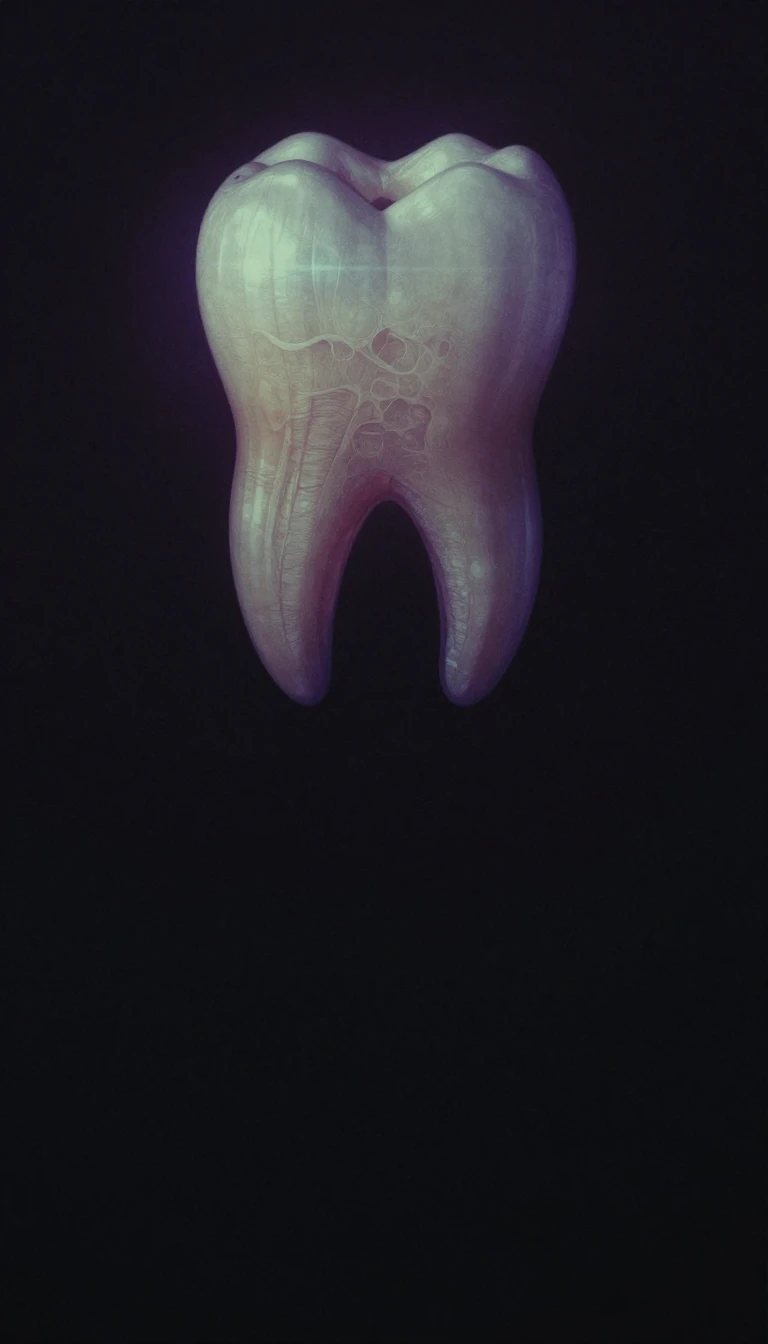
In short: During the early 1900s, a dominant medical belief suggested that localized, hidden infections—frequently located in the mouth—triggered nearly every chronic illness. From mental depression to arthritis, doctors believed these asymptomatic foci caused systemic disease, leading to a period of aggressive surgeries that often left patients completely toothless.
Focal infection theory was a dominant medical concept from the 1920s through the 1930s, suggesting that localized, often asymptomatic infections (foci) caused systemic diseases elsewhere in the body. While modern medicine acknowledges that some focal infections exist—most notably endocarditis, where oral bacteria infect the heart—the broad claim that they caused nearly all chronic conditions has been discredited. Modern science now views these events as infrequent and mostly limited to rare conditions. Researchers have identified three distinct potential mechanisms for infection spread: metastasis of infection, metastatic toxic injury, and metastatic immunologic injury. These processes may occur simultaneously or interact with one another.
The theory gained massive popularity through the work of figures like Frank Billings, who popularized tonsillectomies and tooth extractions as cures for distant organ infections. In 1911, Billings began lecturing on these interventions, and by 1921, British surgeon William Hunter declared that "oral sepsis" was coming of age. This led to a period of "surgical bacteriology" where patients were often left toothless in an attempt to cure diverse ailments. The theory was championed by figures like Edward Rosenow, who proposed that microbes have specific affinities for certain organs. He also suggested a concept of extreme pleomorphism, where bacteria might drastically change their forms to evade detection. This era of medicine saw the Mayo Clinic recruit Rosenow to help improve their diagnostic research.
The theory eventually collapsed in the 1940s following research attacks that proved its sweeping claims were false. However, the legacy persists in The theory's decline allowed dental restorations and endodontic therapy to return to mainstream favor. Today, the concept survives primarily in alternative medicine and biological dentistry. These groups still suggest that dental implants or extractions might serve as sites for chronic systemic disease.
Opens the Intellect+ feed with this card first. Swipe up for the next one.
Sources
- Summary by Intellect · source: Focal infection theory
To cite this card, link to https://intellectplus.co.uk/app/health-focal-infection-theory.
How we source, check and correct cards: Editorial standards.
General information, not professional advice. Spotted an error? Flag the card or see corrections and complaints.
Intellect Plus is a visual educational discovery platform for exploring fascinating facts and ideas. Brain Food, Not Brain Rot. What is Intellect Plus?
Related
More in Epidemiology · More in Health · Latest · A–Z · All topics
