The human mouth is a complex biological ecosystem and a vital sensory gateway.
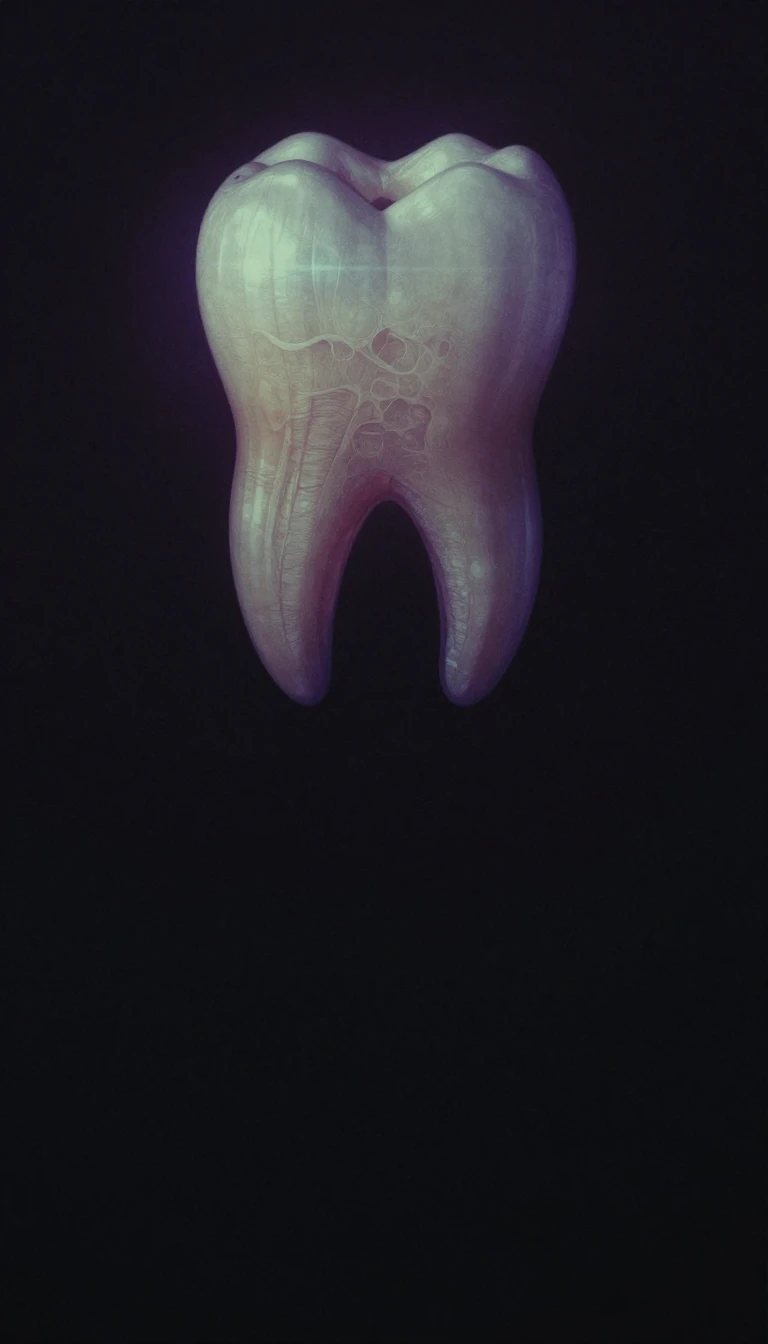
In short: Beyond its role in digestion and speech, the human mouth serves as a dynamic habitat for diverse bacteria and a site for unique pathology. From the microbial communities that persist after death to the painful blisters of common childhood infections, the mouth is far more than a simple opening.
The mouth is the initial segment of the alimentary canal, functioning as the primary entry point for nutrition and a critical tool for vocal communication. Anatomically, it is divided into the vestibule and the oral cavity proper, lined with mucous membranes and supported by the jaw, lips, and tongue. These structures work in concert to facilitate essential functions like chewing, biting, and the complex articulation required for human speech.
Beyond its anatomical utility, the mouth hosts a complex microbiome that remains a subject of intense forensic interest. Research into the postmortem oral environment has identified dominant bacterial phyla including Proteobacteria, Firmicutes, Actinobacteria, and Bacteroidetes. Scientists are currently investigating whether these predictable fluctuations in microbial communities can serve as a biological clock to estimate the time of death, though current resolution remains challenging.
The oral cavity is also susceptible to specific viral conditions, such as hand, foot, and mouth disease. This infection often manifests with painful mouth ulcers, alongside rashes on the hands and feet. While typically mild and self-limiting within 7 to 10 days, the condition highlights the mouth's vulnerability to external pathogens. Proper management focuses on hydration and pain relief, as the virus is easily transmitted through respiratory droplets and contact with blister fluids.
Furthermore, the oral cavity is home to specialized bacteria like Selenomonas sputigena, an anaerobic organism associated with dental conditions such as periodontitis and caries. The study of such strains, including the atypical ATCC 33150, provides deeper insight into the genetic diversity of the oral environment. Understanding these microbial interactions is essential for both clinical dentistry and the broader study of human health and decomposition.
Opens the Intellect+ feed with this card first. Swipe up for the next one.
Sources
- Summary by Intellect · source: Hand, foot and mouth disease
- Also: Characterization of Bacterial Community Dynamics of the Human Mouth Throughout Decomposition <i>via</i> Metagenomic, Metatranscriptomic, and Culturing Techniques.
- Also: Human mouth
- Also: Draft genome sequence of <i>Selenomonas sputigena</i> strain ATCC 33150 isolated from human mouth.
To cite this card, link to https://intellectplus.co.uk/app/health-human-mouth.
How we source, check and correct cards: Editorial standards.
General information, not professional advice. Spotted an error? Flag the card or see corrections and complaints.
Intellect Plus is a visual educational discovery platform for exploring fascinating facts and ideas. Brain Food, Not Brain Rot. What is Intellect Plus?
Related
More in Medical basics · More in Health · Latest · A–Z · All topics
