Italy is not a people, but a geographical expression
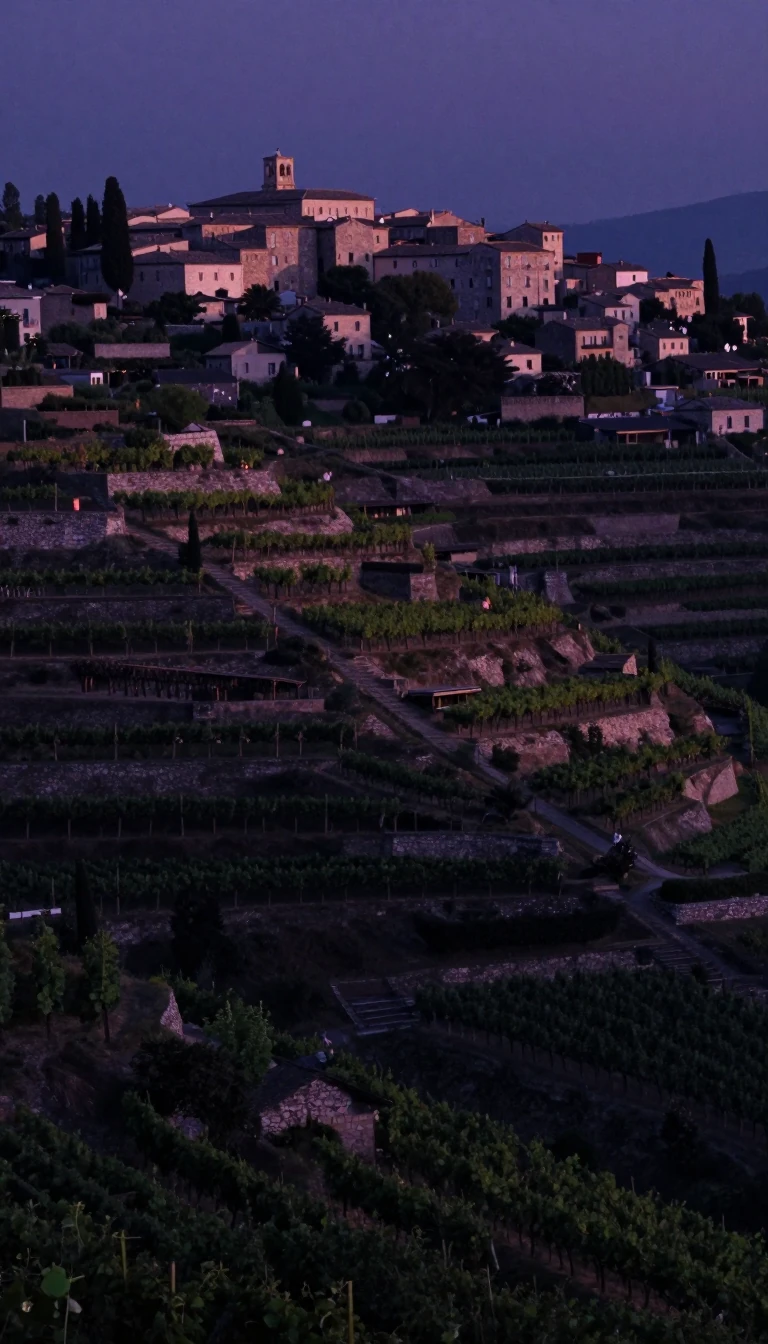
In short: Despite its unified borders, Italy lacks a single genetic identity. Instead, the peninsula serves as a living map of human migration, where Neolithic farmers, Roman colonists, and Germanic tribes left distinct biological signatures that still define the country's regional diversity today.
The Italian genetic landscape is defined by a 'clinal' pattern, meaning diversity shifts gradually across the geography rather than being divided by sharp borders. This mirrors the broader history of Europe, where modern Italians are primarily composed of Neolithic Early European Farmer ancestry, mixed with Mesolithic Western Hunter-Gatherers and Bronze Age Steppe pastoralists. While Southern Italians share the closest genetic proximity to modern Greeks, Northern Italians align more closely with populations in Spain, Portugal, and Southern France.
Specific historical events acted as genetic amplifiers. During the Neolithic period roughly 8,000 years prior, the arrival of farmers carrying haplogroups E1b1b and G2a caused a major shift in the genetic makeup of Calabria and Apulia, displacing local hunter-gatherers. Later, around 3,200 years ago, Italic-speaking Indo-Europeans crossed the Alps, bringing the R1b-U152 lineage. This lineage was further amplified during Roman colonization, with high frequencies of U152 appearing specifically around former Roman settlements in Northern Italy.
The peninsula also preserves unique pockets of isolation and distinct migrations. Sardinia stands out as a clearly differentiated population, where the I2a1a (M26) haplogroup constitutes 36% of male lineages. Meanwhile, the Etruscans contributed J2, E1b1b, and G2a lineages to the genetic pool in Tuscany. Even the Germanic migrations of the Goths and Lombards left a lasting mark, with the Lombard lineage representing roughly 40% of the I1 haplogroup in regions like Campobasso.
Ultimately, Italy encapsulates the genetic diversity of the entire continent on a smaller scale. The genetic distance between the north and south is comparable to that between Northern and Southern Germany, reflecting a deep divergence that began as early as the Late Glacial period.
Opens the Intellect+ feed with this card first. Swipe up for the next one.
Sources
- Summary by Intellect · source: Genetic History of the Italians
- Also: Genetic history of Italy
To cite this card, link to https://intellectplus.co.uk/app/health-genetic-history-of-italy.
How we source, check and correct cards: Editorial standards.
General information, not professional advice. Spotted an error? Flag the card or see corrections and complaints.
Intellect Plus is a visual educational discovery platform for exploring fascinating facts and ideas. Brain Food, Not Brain Rot. What is Intellect Plus?
Related
More in Morbidity · More in Health · Latest · A–Z · All topics
