Hallucinogens alter reality by disrupting the brain's chemical communication networks
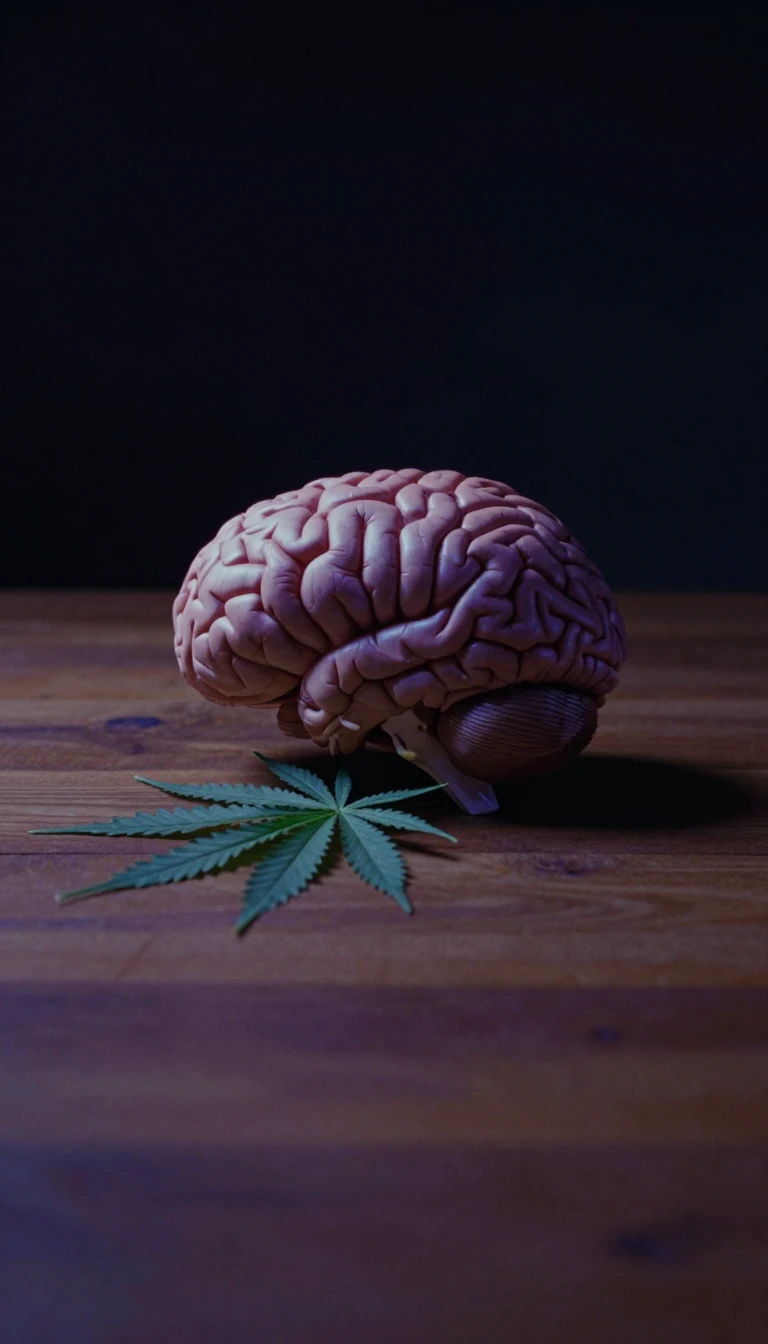
In short: Hallucinogens, or psychedelics, do more than just trigger hallucinations; they fundamentally rewire how your brain processes reality. By interfering with neurotransmitters like serotonin and glutamate, these substances distort thoughts, moods, and sensory perception. While historically used in rituals, they are now being studied for potential mental health treatments.
Hallucinogens are a diverse class of substances that alter a person's awareness, thoughts, and feelings. They function by disrupting communication between chemical networks in the brain. Many classical psychedelics, such as LSD and psilocybin, interfere with serotonin, a neurotransmitter that regulates mood, sleep, and sensory perception. Others, like PCP, target glutamate, which is essential for learning, memory, and emotional regulation. Because these drugs affect such fundamental systems, their impact can range from mild sensory distortions to profound, reality-bending experiences.
The history of these substances is complex. Native societies have used plants like peyote for centuries in religious and healing rituals. In the 1950s and 1960s, scientific interest surged, with researchers exploring LSD for conditions like alcoholism and autism. However, controversy over social use and concerns about side effects led to strict regulation. Today, the medical community remains cautious; healthcare providers generally do not consider any amount of recreational psychedelic use safe, though modern research is investigating their potential as supervised treatments for depression and anxiety.
The effects of these drugs are highly unpredictable. Users may experience 'good trips' or 'bad trips' involving terror and panic. Furthermore, some individuals may develop Hallucinogen Persisting Perception Disorder (HPPD), a rare condition where perceptual disturbances linger long after the drug has worn off. Because the pharmacological mechanisms vary—ranging from serotonergic psychedelics to dissociatives like ketamine—there is no single, universally accepted way to classify these substances. As interest in psychedelic-assisted therapy grows, understanding these persistent adverse effects and the clinical complexity of treatment remains a critical challenge for psychiatry.
Opens the Intellect+ feed with this card first. Swipe up for the next one.
Sources
- Summary by Intellect · source: Hallucinogens
- Also: Hallucinogen | Definition, Types, & Effects | Britannica
- Also: Hallucinogen
- Also: Case reports in psychiatry — Hallucinogen Persisting Perception Disorder in a Young Adult Case Report. · CC BY
To cite this card, link to https://intellectplus.co.uk/app/health-hallucinogen.
How we source, check and correct cards: Editorial standards.
General information, not professional advice. Spotted an error? Flag the card or see corrections and complaints.
Intellect Plus is a visual educational discovery platform for exploring fascinating facts and ideas. Brain Food, Not Brain Rot. What is Intellect Plus?
Related
More in Drugs and medication · More in Health · Latest · A–Z · All topics
