Can a single chemical trigger a profound, life-altering shift in human consciousness?
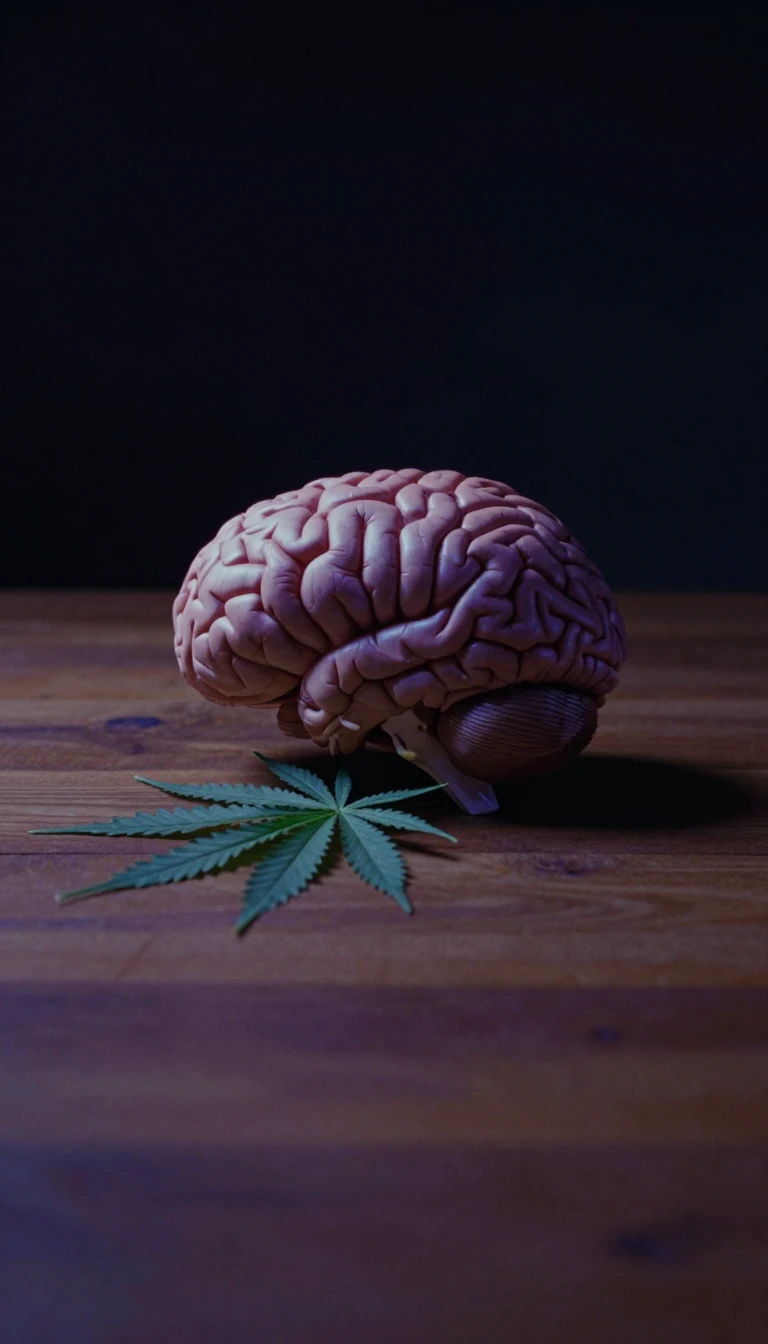
In short: Psychedelics, ranging from ancient plant-based entheogens to modern synthetic compounds, trigger non-ordinary mental states by modulating brain circuits. While these substances remain largely illegal, their potential to treat mental health conditions like depression and PTSD has sparked a resurgence in clinical research, challenging our understanding of perception, cognition, and reality.
Psychedelics, or serotonergic hallucinogens, are defined by their ability to induce non-ordinary mental states, often described as an expansion of consciousness. Most of these substances, including LSD, psilocybin, DMT, and mescaline, function as serotonin 5-HT2A receptor agonists. By binding to these receptors, they modulate brain circuits involved in sensory perception and cognition, though the exact mechanism behind their profound effects remains unknown. These experiences are frequently compared to meditation or near-death states, often involving a phenomenon known as ego death.
The history of these substances is vast. Indigenous cultures have used entheogens like ayahuasca, peyote, and psilocybin mushrooms for thousands of years for spiritual, shamanic, and divinatory purposes. In contrast, Western interest has shifted between recreational use—which became common during the mid-1960s—and clinical investigation. Today, researchers are exploring psychedelic-assisted therapy, where drugs are administered in controlled sessions to treat conditions like treatment-resistant depression and anxiety. Unlike conventional daily medications, this approach focuses on preparation and integration, with early results showing promise.
Despite their therapeutic potential, psychedelics are strictly controlled under UN conventions, making scientific study difficult. Safety profiles suggest they are rarely addictive, yet the subjective experience can vary wildly. Factors like 'set and setting'—the user's mood and environment—are critical in minimizing the risk of 'bad trips,' which can involve intense fear or paranoia. As research continues, the scientific community is working to move beyond anecdotal reports, seeking to establish a rigorous taxonomy for these substances and their diverse effects, from the visual intensity of LSD to the unique 'whiteouts' of 5-MeO-DMT.
Opens the Intellect+ feed with this card first. Swipe up for the next one.
Sources
- Summary by Intellect · source: Psychedelic drug
To cite this card, link to https://intellectplus.co.uk/app/health-psychedelic-drug.
How we source, check and correct cards: Editorial standards.
General information, not professional advice. Spotted an error? Flag the card or see corrections and complaints.
Intellect Plus is a visual educational discovery platform for exploring fascinating facts and ideas. Brain Food, Not Brain Rot. What is Intellect Plus?
Related
More in Drugs and medication · More in Health · Latest · A–Z · All topics
