The princess who shaped English Christianity through radical unity
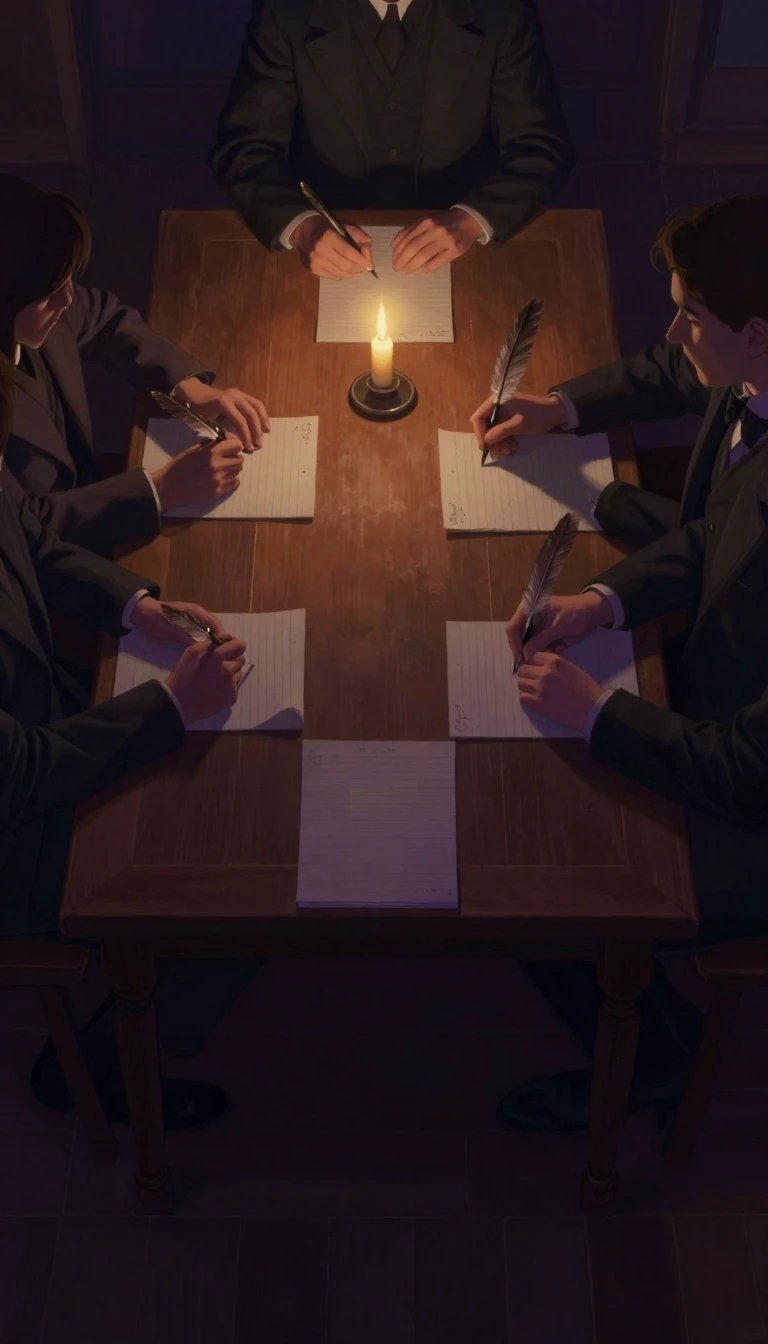
In short: In 664, a single monastery hosted a meeting that would decide the religious fate of an entire nation. At its center was Hilda of Whitby, a woman whose life moved from royal courts to monastic rule, balancing fierce intellectual independence with a commitment to communal peace.
Hilda of Whitby (c. 614–680) was born into the Deiran royal household during a period of intense political fragmentation in Britain. Following her father's murder and the rise of King Edwin, she was raised in a court that transitioned from paganism to Christianity around 627. While initially influenced by Roman traditions, Hilda famously pivoted at age 33 to follow the teachings of the Irish monk Aidan. This move led her to found the monastery at Whitby (Streanaeshalch) around 657, where she established a 'double monastery' housing both men and women.
Hilda was renowned as an administrator and intellectual whose counsel was sought by both nobility and commoners. She implemented a monastic regime defined by 'justice, piety, chastity,' and notably, 'peace and charity.' In her community, wealth was abolished; everyone held all things in common. Her influence was profound: five of her monks became bishops, and she is credited with recognizing the divine gift of Caedmon, the first known English poet, who produced the oldest extant poem in Old English under her tutelage.
Her most significant historical contribution occurred at the Synod of Whitby in 664. The meeting was convened to resolve a dispute between Celtic and Roman Christians regarding the date of Easter. Although Hilda favored the Celtic tradition, she demonstrated remarkable political maturity by supporting the final decision in favor of the Roman custom to ensure national unity. Even after her death in 680 at age 66—accompanied by reported visions of her soul ascending—her legacy persisted as a patron saint of culture, literacy, and learning.
Local folklore further cemented her status through the 'snakestones' legend, which claimed she prayed to turn snakes into stone. While modern science identifies these objects as ammonite fossils from the Jurassic Period (200–145 million years ago), the myth reflects how deeply her perceived power resonated with the people of Northumbria.
Opens the Intellect+ feed with this card first. Swipe up for the next one.
Sources
- Summary by Intellect · source: St Hild of Whitby
- Also: Hilda of Whitby
- Also: Hilda of Whitby
To cite this card, link to https://intellectplus.co.uk/app/health-hilda-of-whitby.
How we source, check and correct cards: Editorial standards.
General information, not professional advice. Spotted an error? Flag the card or see corrections and complaints.
Intellect Plus is a visual educational discovery platform for exploring fascinating facts and ideas. Brain Food, Not Brain Rot. What is Intellect Plus?
Related
More in Ethics · More in Health · Latest · A–Z · All topics
