 Intellect Plus
Ethics
102 cards. Each one is a 40-second story with a five-minute read behind it.
 Mastering the Moral Maze: How to Navigate Medical EthicsMedical school interviews often hinge on your ability to navigate complex ethical dilemmas under pressure. This video breaks down the specific techniques and core knowledge requir…
 The internal friction of nursing: when personal values meet clinical dutyNurses often face situations where their own moral compass clashes with professional requirements or patient needs. This tension, known as moral distress, creates a profound emoti…
 The gatekeepers of the British public school systemMembership in this exclusive circle often defines what it means to be a 'public school' in England and Wales. From its origins in 1869 to its modern global reach, the HMC governs …
 Why the most successful startups prioritize learning over perfect planningMost businesses fail because they build products nobody wants. The Lean Startup methodology flips the script, treating every product launch as a scientific experiment. By prioriti…
 The architect of England’s history was once a German nationalistSir Nikolaus Pevsner is legendary for documenting England's buildings, but his early political views were deeply conflicted. Before fleeing the Nazi regime in 1933, the German-bor…
 The moral limits of war: banning weapons that cause 'unnecessary suffering'Some weapons are so cruel they transcend the rules of combat, targeting human dignity rather than just military objectives. Since 1980, an international treaty has sought to outla…
 Why Ghana rejected a regional university to build its ownIn 1948, a pivotal decision shaped West African education. Rather than accepting a shared colonial university in Nigeria, the people of the Gold Coast demanded their own instituti…
 The Cambridge college that traded tradition for radical equalityWhile many historic universities are defined by rigid hierarchies and exclusive traditions, Wolfson College was founded on a different principle: egalitarianism. By removing the '…
 Why the world's largest Pride festival is facing a sudden declineAfter reaching 5 million attendees in New York in 2019, WorldPride is facing a crisis of participation. As the international festival arrives in Washington, D.C., shifting politic…
 Why your boss values your grit over your degreeIn a competitive job market, high grades are often secondary to a specific internal engine: your work ethic. It is the invisible relationship you have with your tasks, determining…
 Can a business be successful if it only makes a profit?Traditional accounting views the 'bottom line' as the final profit figure. But what if that number ignores the true cost of doing business? The Triple Bottom Line framework argues…
 In Ancient Rome, true virtue was never a private matterWe often think of character as an internal, personal quality. But for the Roman elite, virtue—or virtus—was strictly a public performance. It was not found in private wealth or fa…
 Is your sense of morality just a modern form of religious possession?In 1844, Max Stirner proposed a radical idea: that our most cherished values—like humanity, justice, and even liberty—are merely 'spooks' or fixed ideas. He argued that modern pro…
- A narrow majority preserves the core of Israeli democracyThe Supreme Court of Israel recently struck down a contentious law aimed at overhauling the nation's judiciary. In a high-stakes move, the justices ruled that the proposed changes…
- The moral weight of anatomy: balancing student learning with human remainsMedical education often relies on a delicate ethical balance between practical mastery and the dignity of the deceased. At St George's, University of London, researchers explored …
 The high price of double morality in global politicsWhen a world leader advocates for a fair share of societal contribution while secretly holding offshore assets, the resulting fallout can topple a government. The story of Sigmund…
 Beyond the shareholder: why modern corporations must answer to more than just ownersFor decades, the primary goal of a corporation was simple: maximize profit for shareholders. But a shifting paradigm suggests that a company’s survival depends on a much wider web…
 Is a business for human beings, or just for a few?For decades, the prevailing wisdom held that a corporation's only reason to exist was to generate profit for its shareholders. But a shift in management theory suggests that compa…
 Can AI solve the crisis of unread scientific literature?Every year, three million new scientific papers are published, but it is estimated that only half of them ever get read. Semantic Scholar aims to bridge this gap by using artifici…
- The spiritual technology of erasing the self through serviceIn many Eastern traditions, the ultimate spiritual goal isn't just personal peace—it is the systematic dismantling of the ego. This is achieved through Sevā, a practice of selfles…
 Beyond self-help: the ancient art of transforming the human spiritSelf-cultivation is more than mere personal growth. From the ritualized discipline of Confucianism to the nature-aligned harmony of Taoism, these ancient traditions offer a sophis…
 Can we delete our past from the internet's permanent memory?The internet functions as a digital archive that can perpetually stigmatize individuals for past actions. The 'right to be forgotten' seeks to break this cycle, allowing people to…
 The Constitutional Trade-off Between Private Monopoly and Public ProgressHow does a nation balance the profit motive of inventors with the public's right to knowledge? The U.S. Constitution contains a specific mechanism designed to turn private monopol…
 Are you already playing Caesar's game by using his money?The famous command to "Render unto Caesar" was originally a clever trap-dodging maneuver. By asking for a single coin, Jesus forced his interrogators to confront a uncomfortable r…
 Why a philanthropist sold his stamp collection to challenge the Nobel legacyIn 1980, Jakob von Uexküll attempted to expand the Nobel Prize's scope. When the Nobel Foundation refused to add categories for ecology and development, he used his million-dollar…
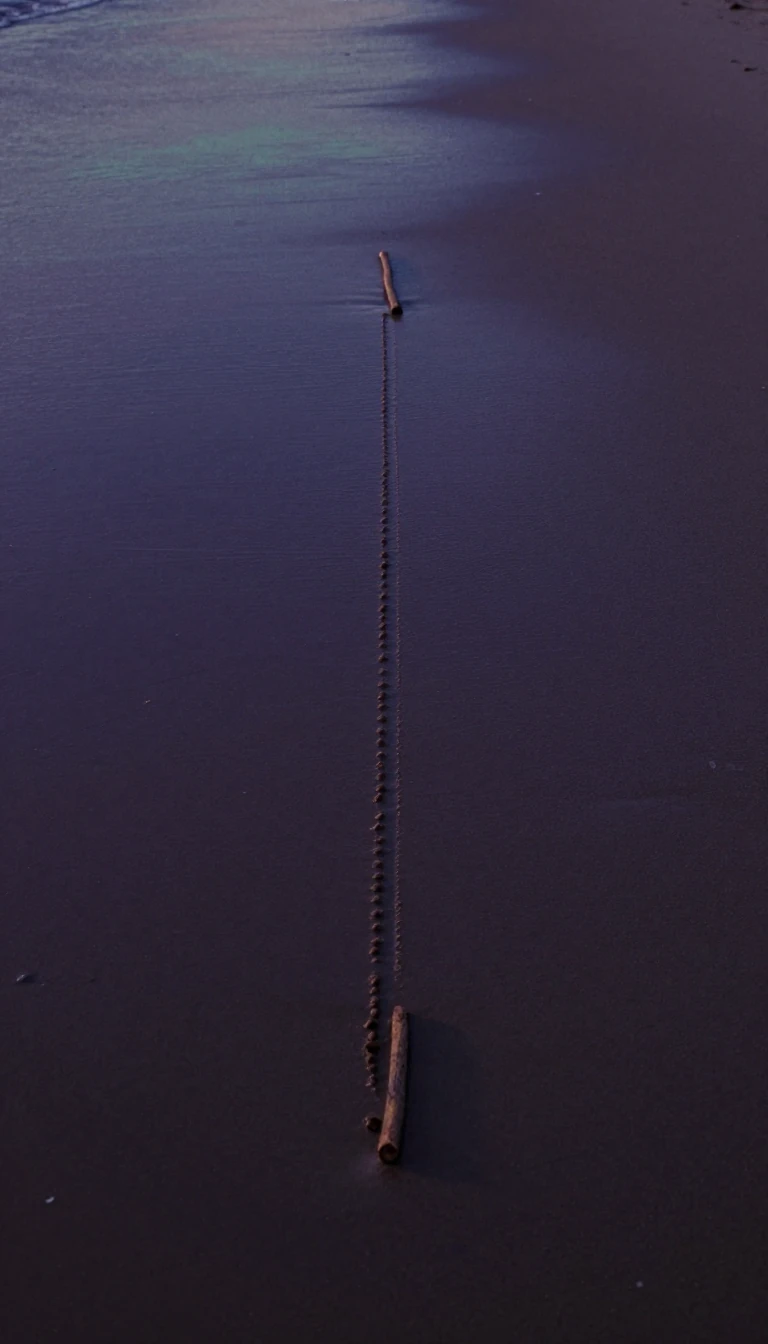 The physics of the punt: steering with a shove rather than a rudderMost boats use a rudder to turn, but a traditional punt relies on a more nuanced mechanical trick. By mastering the physics of the stroke, a skilled punter can steer the craft wit…
 The ancient evolution of righteousness from divine law to personal virtueIs righteousness a set of external rules or an internal compass? From the Hebrew Bible's divine justice to Confucian moral acumen, the concept has shifted from obeying higher auth…
 What if the goal of philosophy is not to find truth, but to find peace?Most people assume philosophy is a quest to build grand theories and settle eternal debates. But a different tradition, known as Quietism, suggests that the most profound work of …
 Are you truly altruistic, or just expertly calculating your own benefit?Psychological egoism suggests that every human action, no matter how selfless it appears, is ultimately driven by self-interest. From helping a stranger to obeying the law, the th…
 Beyond the Sale: The Hidden Engineering Backbone of Every ProductMost people think a product's life ends at the checkout counter. In reality, modern manufacturing relies on a complex 'backbone' that manages every second of an object's existence…
- How a single afternoon transformed the British monarchyOn 10 September 2022, a formal ceremony at St James's Palace officially announced the reign of King Charles III. While the transition of power is instantaneous upon a monarch's de…
- Beyond data and logic lies a different kind of knowingIn Buddhist philosophy, Prajñā is not just being smart or collecting facts. It is a specific type of transcendental wisdom—an intuitive apprehension of reality that transcends mer…
 Is truth an objective fact or a social construction?Postmodern philosophy suggests that what we call "truth" might not be a universal reality, but a product of history, power, and language. By dismantling "grand narratives," these …
 The Pope who traded marble from ruins for a Renaissance rebirthPope Nicholas V didn't just rule; he curated. A lifelong bibliophile and scholar, he transformed Rome into an intellectual powerhouse by salvaging the past to build the future. Fr…
 The unshakeable iron fist of the Renaissance ChurchFrom the son of a field laborer to the absolute ruler of the Papal States, Sixtus V transformed Rome through sheer, uncompromising will. He eradicated banditry with brutal display…
- The Pope who sold the Vatican's annual revenue for a prisonerIn 1489, Pope Innocent VIII struck a chilling bargain with the Ottoman Sultan. To keep a captive prince in a Vatican cell, the Pope accepted a sum of money equal to the entire ann…
 The political strategist who turned a papal election into a diplomatic compromiseIn 1644, a bitter rivalry between French and Spanish factions paralyzed the papal conclave. Amidst the deadlock, Giovanni Battista Pamphili emerged not as a partisan victor, but a…
 A museum's evolution from colonial trophy room to decolonial laboratoryThe Pitt Rivers Museum houses over 600,000 objects, many acquired by colonial officials and missionaries. For decades, it maintained a rigid typological display based on evolution…
- The Pope who moved the Papacy to France under a King's shadowIn 1305, Bertrand de Got was elected Pope Clement V, but his reign was far from independent. Caught between the ambitions of King Philip IV of France and the powerful Knights Temp…
 The truth is not a fact to be discovered, but a way to liveMost of us seek truth in objective data and external certainty. But for the Danish philosopher Søren Kierkegaard, the most vital truth is found in subjectivity: the personal, stre…
- The person is not a tool, but a destination of loveIn an era of extreme collectivism and objectification, personalism offers a radical defense of the individual. It argues that human beings are not mere means to an end, but posses…
- Why your workplace feels the way it does is rarely by accidentOrganizational culture is more than a mission statement on a wall. It is the invisible architecture of shared assumptions, behaviors, and symbols that dictate how decisions are ma…
 The rise and fall of the netbook: how a cheap computing era vanishedIn the late 2000s, the netbook promised a revolution of affordable, portable computing. These small, lightweight devices captured a massive portion of the market, only to be squee…
- The Brain Processes Individual Identities as Distinct from General CategoriesHow does your brain distinguish between a specific person and a general role? Neuroscientific research suggests that the mental architecture for individual entities is fundamental…
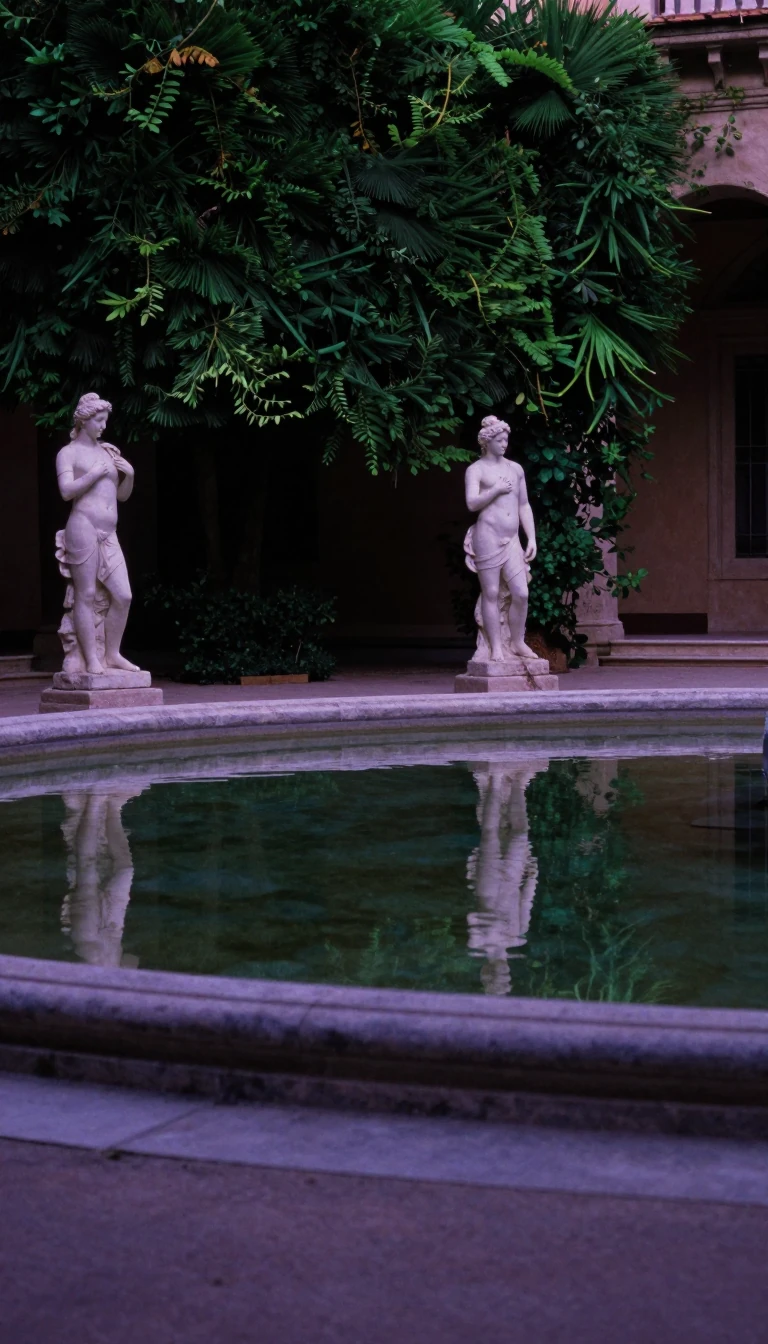 Why 'natural' doesn't automatically mean 'good' in moral philosophyWe often assume that because something exists in nature, it is inherently right or good. In philosophy, this shortcut is known as the naturalistic fallacy. By examining how we def…
 Can you manufacture a sense of belonging through infrastructure and anthems?Nation-building is far more than simply drawing borders on a map. It is a deliberate, two-pronged project: building the physical machinery of a state while simultaneously engineer…
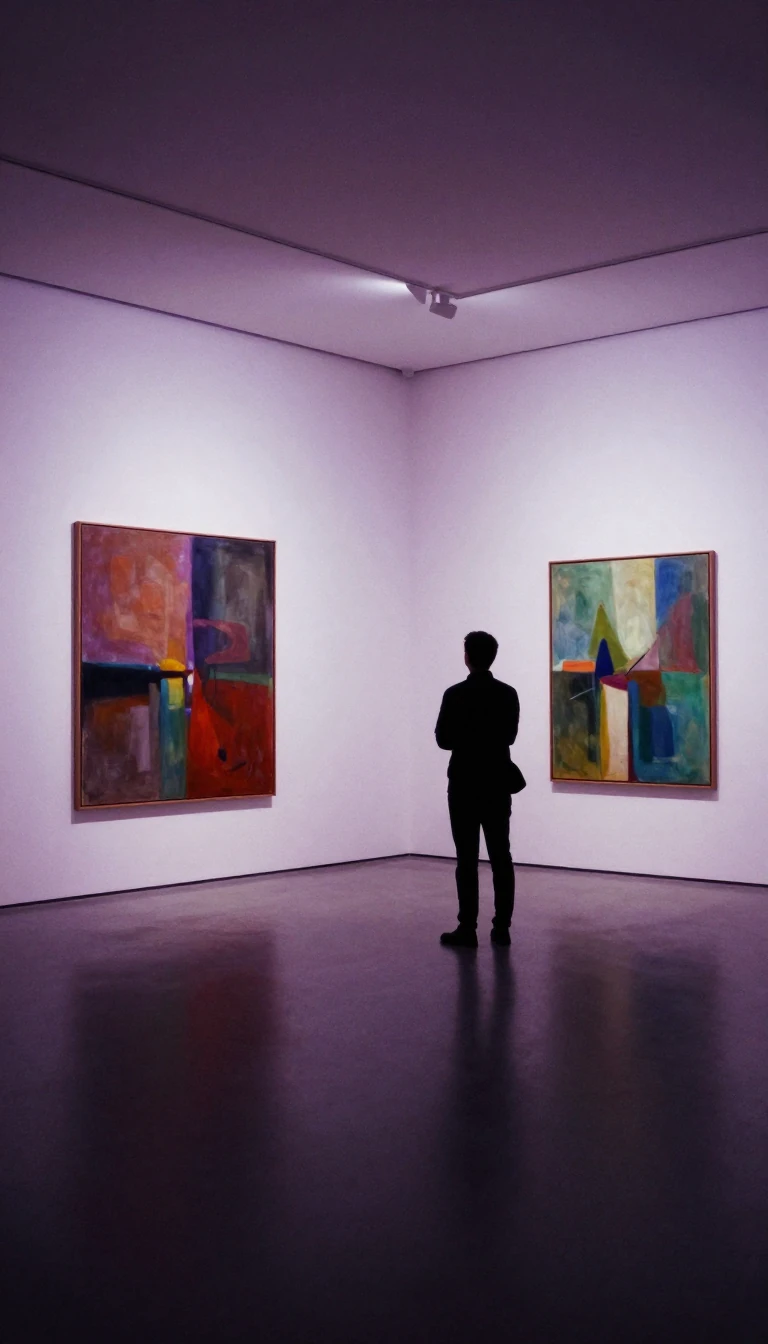 How a single 1944 bequest transformed a local gallery into a global powerhouseIn the early 20th century, the Museum of Fine Arts, Houston held only twelve European paintings. A sudden influx of private treasures changed everything, catapulting a regional in…
 A school built on a tradition of open educationMagdalen College School in Oxford was founded in 1480 with a specific mission: to educate local children of high academic achievement alongside the college's own choristers. While…
- How an introverted child used education as a personal refugeFrom a child actress debuting at age six to a dual-degree Stanford alumna, Maudy Ayunda has navigated a high-profile career in Indonesia. Yet, behind the fame lies a profound comm…
 A holiday souvenir can cause permanent blindnessMost people view laser pointers as harmless tools for presentations or stargazing. However, the same technology used to highlight a slide can cause irreversible retinal damage. Fr…
- How a 125-year-old medical institution is confronting its colonial legacyFounded to train physicians for Britain's tropical empire, the London School of Hygiene and Tropical Medicine has been a global leader in epidemic response. Today, however, the in…
 Can academic freedom survive when personal identities become political battlegrounds?Kathleen Stock’s career at the University of Sussex became a flashpoint for one of the most intense cultural debates of the decade. Her work on gender identity sparked a massive b…
 The youngest woman to hold Canadian Cabinet office is now a leadership contenderFrom her 2015 victory as a 28-year-old newcomer to becoming the first federal minister to take maternity leave, Karina Gould has achieved several historic milestones. Her politica…
- From banking royalty to a pioneer of the British artsBorn into one of the world's most famous banking dynasties, Hannah Rothschild chose to build a legacy defined by cultural preservation rather than just finance. Her journey from B…
 Is theology a science of defense or a search for truth?In Islamic scholarship, Kalam represents the rigorous, rational study of faith. However, was its primary purpose to discover divine truth, or was it a sophisticated intellectual s…
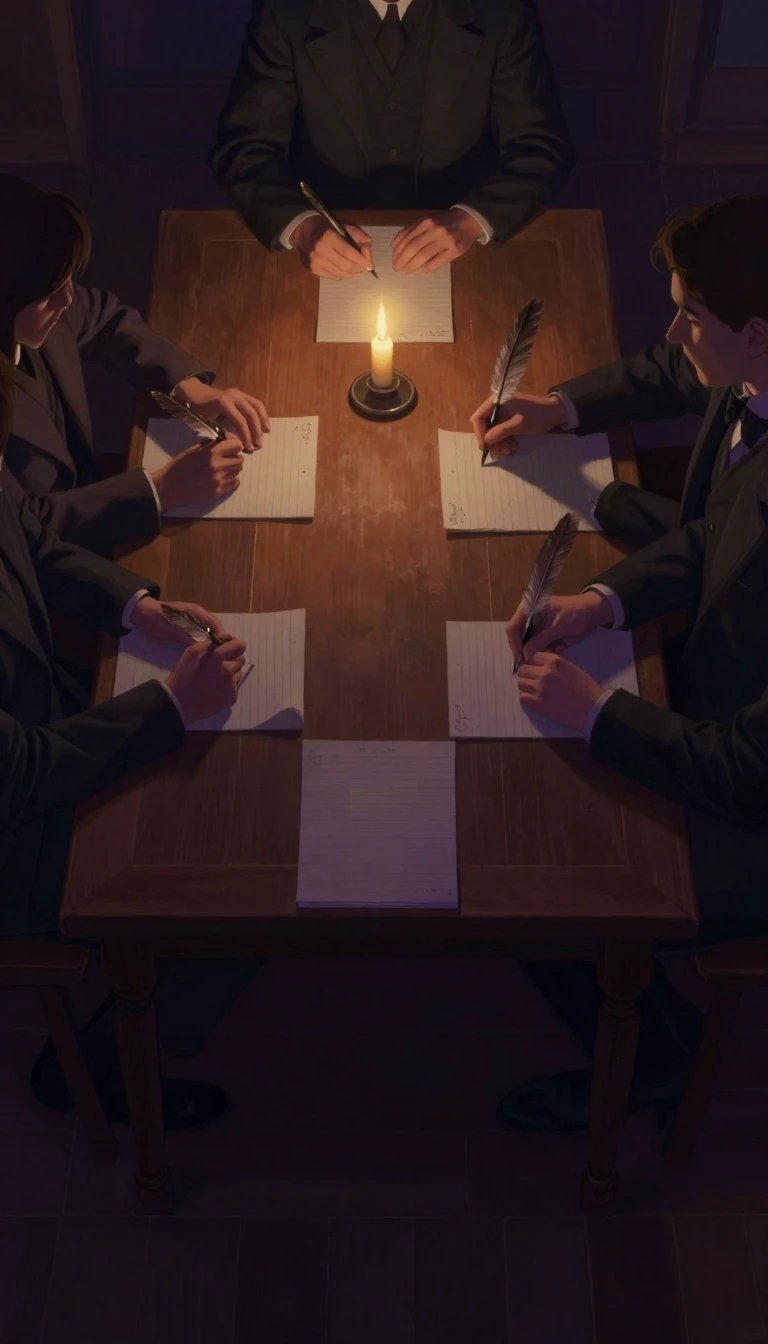 The princess who shaped English Christianity through radical unityIn 664, a single monastery hosted a meeting that would decide the religious fate of an entire nation. At its center was Hilda of Whitby, a woman whose life moved from royal courts…
- How an ancient Roman code of conduct shaped the modern ideal of civilizationLong before modern human rights, the Roman concept of humanitas defined what it meant to be civilized. It was not merely about kindness, but a rigorous discipline of education, po…
 How a 'superbank' merger saved the UK from a total financial meltdownIn September 2008, the collapse of Lehman Brothers sent shockwaves through the global economy. In the UK, HBOS faced a terrifying reality: it was on the brink of collapse. To prev…
- The Oxford college that once provided a secret headquarters for D-Day planningLong before it became a cornerstone of Oxford's mature student community, this institution was a nomadic academy for religious dissenters. It survived five different locations and…
- The president who dismissed his own leader to save the stateIn 1996, Pakistan's president did the unthinkable: he dismissed the government of the very woman who had nominated him. This high-stakes political divorce, sparked by judicial dis…