Why your body's first line of defense is a master of genetic recognition
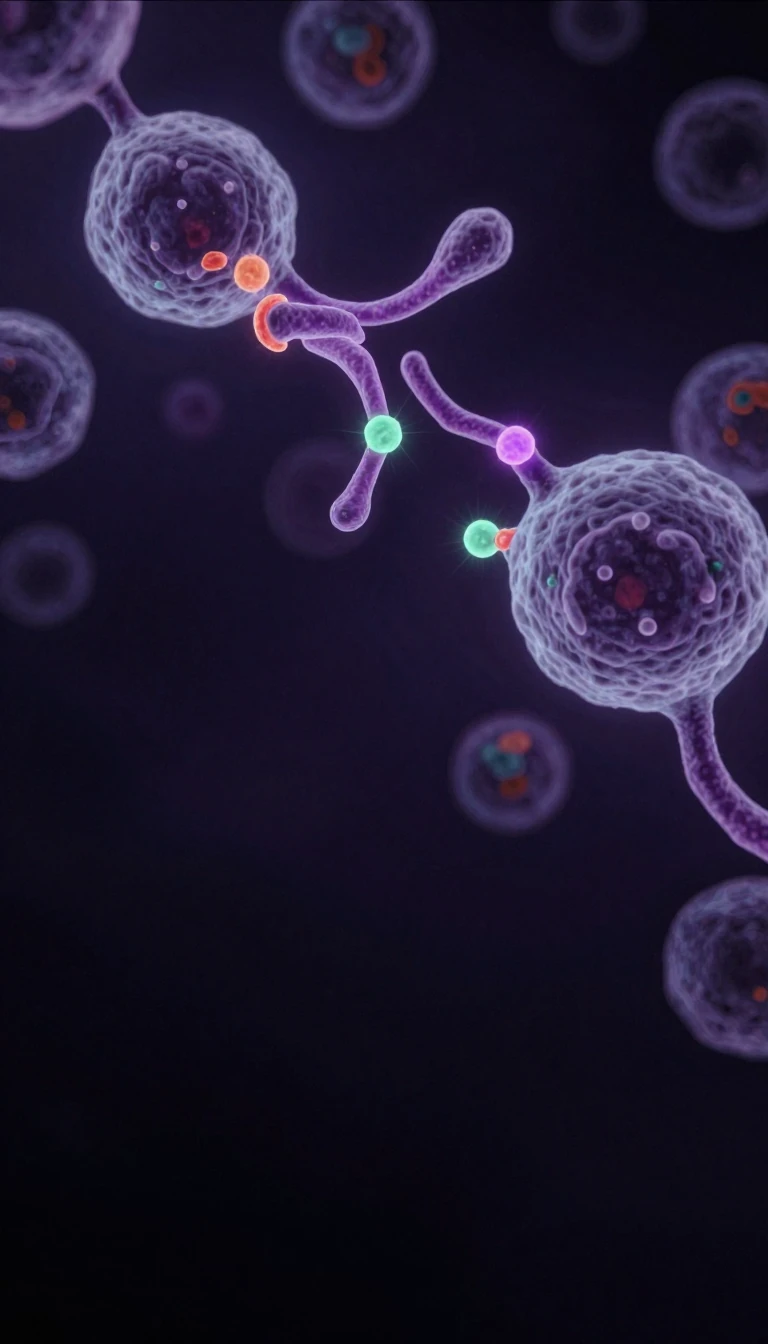
In short: Immunity is more than just fighting off germs; it is a sophisticated biological balancing act. Your body distinguishes between self and non-self, using both innate and adaptive systems to maintain health. From ancient pre-scientific theories to modern molecular breakthroughs, understanding this complex defense network reveals how we survive constant exposure.
The human immune system operates through two primary, interconnected components: innate and adaptive immunity. Innate immunity, present in all metazoans, serves as the first line of defense. It is a semi-specific, widely distributed system that relies on genetically encoded recognition of particular patterns to prevent infection and maintain homeostasis. Unlike the adaptive system, it does not learn from specific external stimuli or prior infections, but it is critical for activating the adaptive response.
Adaptive immunity is the active, highly specific component mediated by lymphocytes. It distinguishes between foreign substances and the body's own tissues, developing immunological memory that allows for a stronger secondary response upon re-exposure. This memory was first described in 1921 by Alexander Glenny. Adaptive immunity can be acquired naturally through infection or artificially via vaccination, which introduces antigens to stimulate a primary response without causing disease. Passive immunity, by contrast, involves transferring ready-made antibodies—such as maternal antibodies passed to a fetus—providing immediate but short-lived protection.
The history of immunity reflects a shifting understanding of disease. Early theories attributed illness to supernatural forces or humoral imbalances. By the 19th century, the germ theory of disease, championed by Louis Pasteur and Ilya Mechnikov, replaced the miasma theory of 'bad air.' Today, research explores how immunity influences diverse conditions, including the role of complement protein C3 in trained immunity within lung macrophages, and how chronic viral infections like cytomegalovirus may accelerate Alzheimer's disease progression in mice. These discoveries highlight that immunity is not just about resisting pathogens, but a dynamic, genetically determined environment where health is defined by the successful elimination of the foreign.
Genetic factors play a decisive role in these responses. Specific genes, such as those encoding Tumor Necrosis Factor, are essential for defending against tuberculosis. Defects in these genes can lead to Mendelian susceptibility to mycobacterial disease, demonstrating that immune capability is deeply rooted in our biological blueprint. As we continue to refine vaccine technologies—from traditional inactivated microbes to modern genetic vaccines—the field of immunology remains central to managing both acute infections and long-term health.
Opens the Intellect+ feed with this card first. Swipe up for the next one.
Sources
- Summary by Intellect · source: Immunity (medicine)
- Also: The C3-C3aR axis modulates trained immunity in alveolar macrophages.
- Also: Cytomegalovirus-induced T cell responses accelerate Alzheimer's disease progression in mice.
To cite this card, link to https://intellectplus.co.uk/app/health-immunity-medicine.
How we source, check and correct cards: Editorial standards.
General information, not professional advice. Spotted an error? Flag the card or see corrections and complaints.
Intellect Plus is a visual educational discovery platform for exploring fascinating facts and ideas. Brain Food, Not Brain Rot. What is Intellect Plus?
Related
More in Morbidity · More in Health · Latest · A–Z · All topics
