Your body's ancient defense system is a sophisticated, modular network of biological sensors
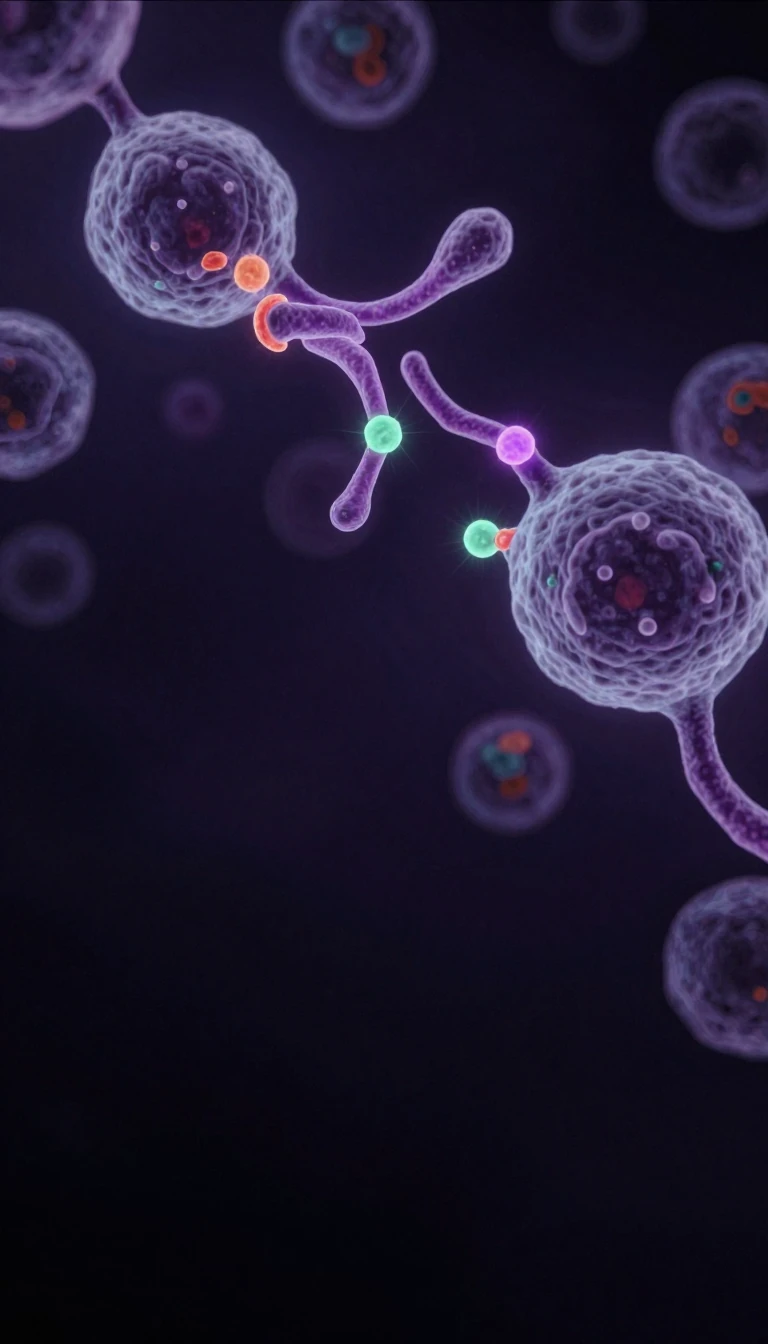
In short: Before your adaptive immune system learns to fight specific threats, your innate immunity acts as the first line of defense. Using germline-encoded sensors, it monitors the body for signs of infection or injury, triggering immediate, hard-wired responses. This ancient system is far more than a simple barrier; it is a complex, regulated machine.
The innate immune system serves as the body's primary shield, functioning through a distributed surveillance network that constantly monitors the extracellular space, endosomes, and the cytosol. Unlike the adaptive immune system, which relies on somatically rearranged receptors to identify specific pathogens, innate immunity uses germline-encoded pattern recognition receptors. These receptors are designed to detect conserved molecular signatures associated with microbes or internal cellular damage.
These sensors are organized into five major families: Toll-like receptors, nucleotide-binding oligomerization domain-like receptors, retinoic acid-inducible gene I-like receptors, C-type lectin receptors, and absent in melanoma-2-like receptors. Rather than acting in isolation, these receptors function as part of spatially segregated, interconnected modules. This architecture allows the body to rapidly amplify signals, disseminate information systemically, and mobilize either pro-inflammatory or anti-inflammatory responses depending on the environmental context.
When these sensors detect a threat, they initiate complex programs that include the release of cytokines, chemokines, and interferons, alongside the activation of inflammasomes. These mediators recruit immune cells and coordinate defensive actions, such as phagocytosis or the formation of neutrophil extracellular traps. While these processes are essential for clearing pathogens and repairing tissue, they must be tightly regulated. Dysregulation of these pathways is linked to a wide range of conditions, including chronic inflammation, autoimmune disorders, and cancer.
Recent research has expanded our understanding of this system through the concept of trained immunity, which suggests that innate cells can undergo metabolic and epigenetic remodeling to enhance their secondary responses. Furthermore, the field is moving toward therapeutic manipulation, exploring the use of receptor agonists as vaccine adjuvants or inhibitors to treat inflammatory diseases. By integrating these mechanistic insights, scientists are uncovering how this ancient defensive apparatus balances protection against the risk of self-inflicted tissue damage.
Opens the Intellect+ feed with this card first. Swipe up for the next one.
Sources
- Summary by Intellect · source: Innate immunity: current understandings and future perspectives - Signal Transduction and Targeted Therapy
- Also: Innate immune system
To cite this card, link to https://intellectplus.co.uk/app/health-innate-immune-system.
How we source, check and correct cards: Editorial standards.
General information, not professional advice. Spotted an error? Flag the card or see corrections and complaints.
Intellect Plus is a visual educational discovery platform for exploring fascinating facts and ideas. Brain Food, Not Brain Rot. What is Intellect Plus?
Related
More in Anatomy and morphology · More in Health · Latest · A–Z · All topics
