Medical microbiology is the invisible science protecting humanity from a world of pathogens.
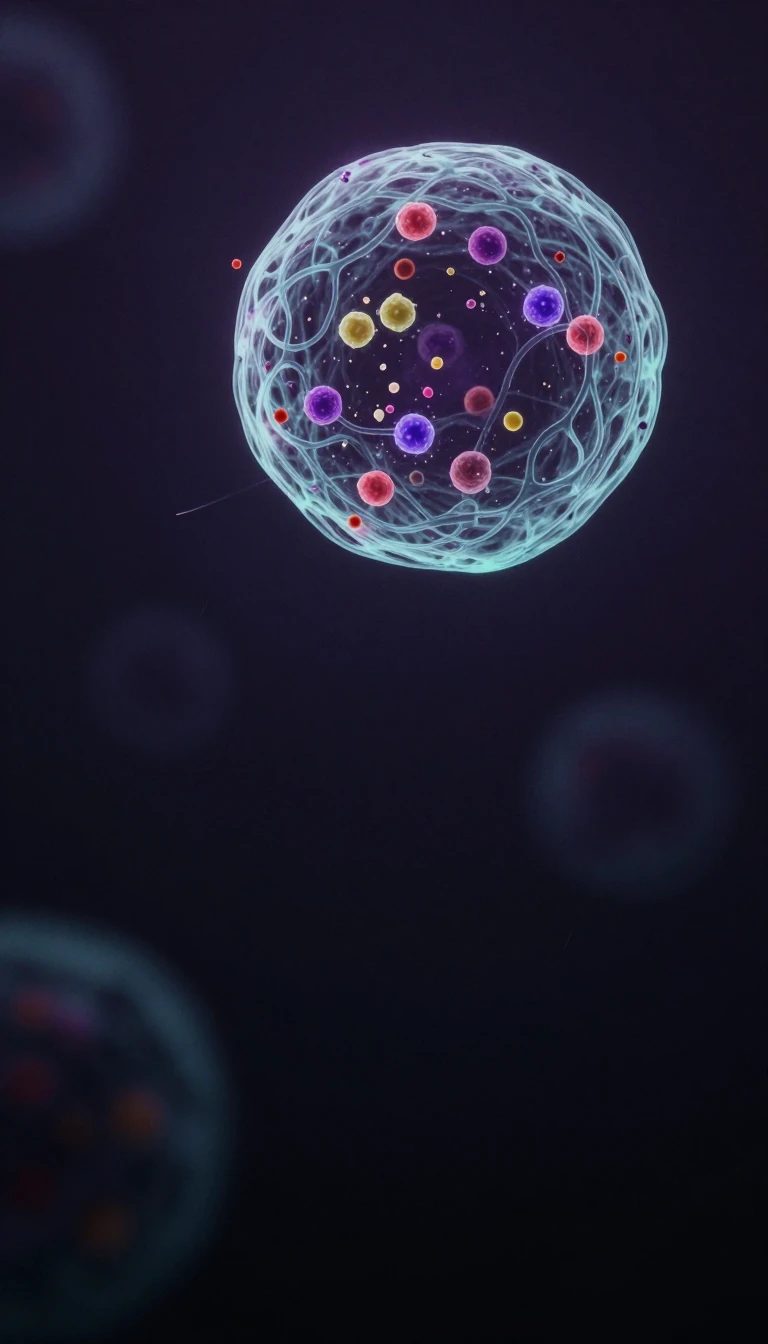
In short: Microbes—bacteria, viruses, fungi, and parasites—cause one-third of all human deaths. Medical microbiology is the field dedicated to understanding these organisms, from their genetic secrets to their transmission pathways. By mastering the biology of infection, scientists develop the vaccines, diagnostics, and treatments that keep global health systems from collapsing.
Medical microbiology operates at the intersection of laboratory research and clinical practice. It is not merely about identifying pathogens; it is a complex discipline that examines how microorganisms evolve, evade immune systems, and develop resistance to drugs. Professionals in this field, including microbiologists and virologists, act as consultants for physicians, interpreting diagnostic tests to guide life-saving antibiotic treatments and infection control strategies. Their work is essential for managing everything from routine bacterial infections to emerging viral threats like Covid-19.
The field relies on a blend of traditional and cutting-edge techniques. While standardized culture methods and staining remain foundational, modern advances in genomics and single-cell technologies have revolutionized our understanding of virulence. For example, researchers now use single-cell transcriptomics to map gene-regulatory networks in parasites like Plasmodium falciparum, identifying specific targets to block transmission. Similarly, plasmid-based platforms allow for the rapid assembly of viral variants, providing critical insights into how mutations affect replication and vaccine efficacy.
Beyond the laboratory, medical microbiology is a pillar of public health. It informs antimicrobial stewardship programs designed to combat the rise of multidrug-resistant bacteria, such as MRSA. By monitoring disease patterns and the evolution of virulent strains, microbiologists help design health practices that prevent outbreaks. Whether studying non-pathogenic species to develop new antibiotics or investigating the molecular basis of co-infections—such as the interplay between malaria and Schistosoma mansoni—the field remains a fluid, essential science that constantly adapts to the shifting landscape of human disease.
Opens the Intellect+ feed with this card first. Swipe up for the next one.
Sources
- Summary by Intellect · source: Medical Microbiology | Health sciences | Topics | Nature Index
- Also: Medical microbiology and virology (doctor) | Health Careers
- Also: Medical Microbiology BSc | University of Leicester
- Also: Medical microbiology
To cite this card, link to https://intellectplus.co.uk/app/health-medical-microbiology.
How we source, check and correct cards: Editorial standards.
General information, not professional advice. Spotted an error? Flag the card or see corrections and complaints.
Intellect Plus is a visual educational discovery platform for exploring fascinating facts and ideas. Brain Food, Not Brain Rot. What is Intellect Plus?
Related
More in Medical basics · More in Health · Latest · A–Z · All topics
