 Intellect Plus
Medical basics
77 cards. Each one is a 40-second story with a five-minute read behind it.
 Can Africa's ancient healing traditions bridge the gap to universal modern healthcare?Traditional medicine remains a primary point of contact for millions across Africa, yet it is often misunderstood. Far from a relic of the past, this evolving system of knowledge …
 Beyond doctors and nurses: the 14 essential roles powering modern healthcare systemsAllied health professionals are the backbone of modern medicine, providing diagnostic, therapeutic, and rehabilitative care that keeps healthcare systems functioning. Comprising 1…
 How Ancient Egyptian Medical Practices Shaped the Foundation of Modern Healthcare TraditionsEgyptian medical knowledge ranks among the oldest documented systems in human history. Spanning from the late fourth millennium BC until the Persian conquest in 525 BC, their appr…
 Ancient Greek medicine evolved from divine punishment to a sophisticated, albeit flawed, biological system.Before modern science, ancient Greeks transitioned from viewing illness as a divine curse to a physical imbalance. While they pioneered empirical observation and anatomical discov…
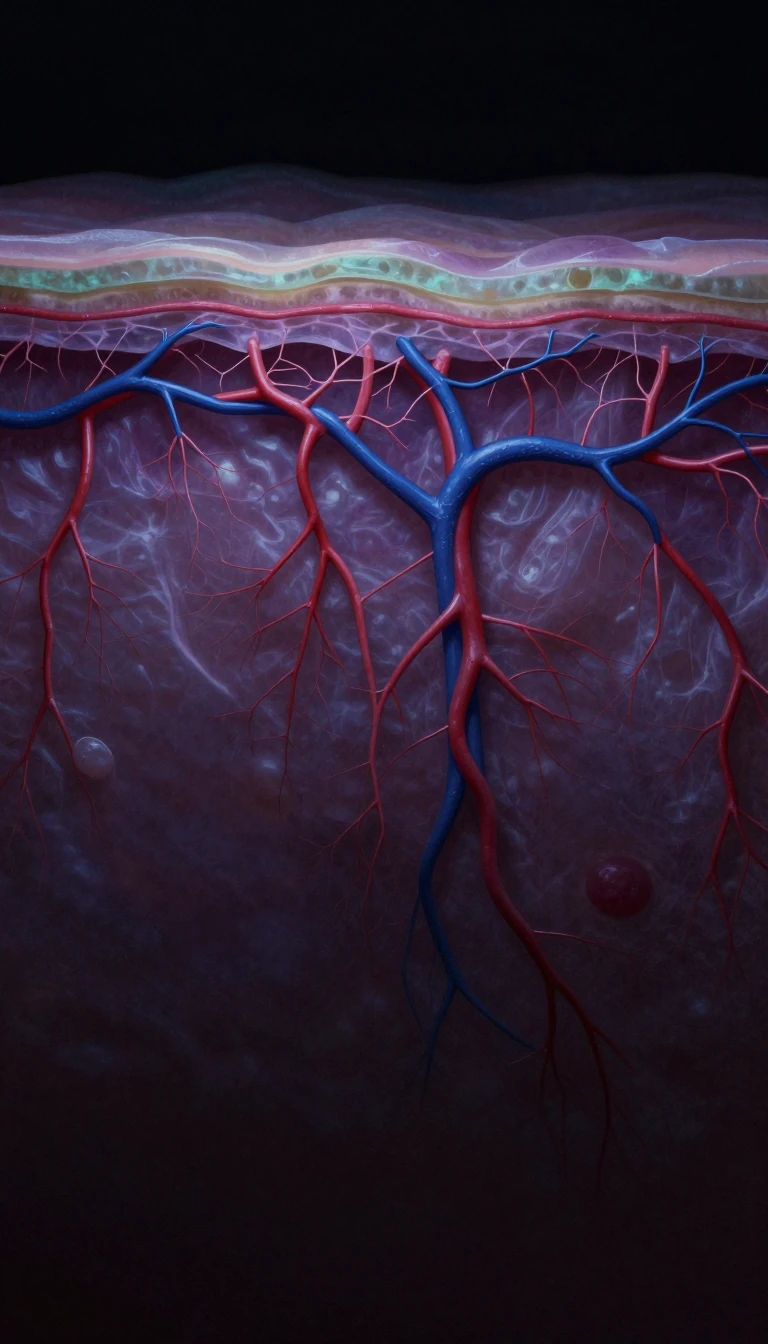 Angiology: The Medical Specialty Dedicated to Your Body's Entire Plumbing and Drainage SystemAngiology, often called vascular medicine in the United States, is the branch of medicine focused on the circulatory and lymphatic systems. It manages everything from the aorta an…
 The ACL is a tiny, complex band that dictates the stability of your entire body.The anterior cruciate ligament is a small, fibrous band connecting your femur to your tibia. Despite its modest size, it acts as the primary stabilizer for the knee joint. When it…
 Why your hearing health is more than just a simple volume checkAudiology is a rapidly growing field that goes far beyond basic hearing tests. It encompasses the diagnosis and long-term management of hearing loss and complex balance disorders.…
 The biceps is not just for flexing; it is a sophisticated forearm rotator.While often viewed as a simple symbol of strength, the biceps brachii is a complex two-headed muscle that performs far more than basic elbow curls. It is a powerful supinator, ess…
 Why do humans have brow ridges and what do they actually do for us?The bony ridge above your eyes is a remnant of our primate past, but its purpose remains a subject of intense scientific debate. While once thought to be a simple protective shiel…
- Your calf is more than just a muscle; it is a complex biological engine.The calf is a powerhouse of the lower leg, composed of two primary muscles that drive your ability to walk, run, and jump. While often overlooked until a cramp strikes, this anato…
 The solar plexus is a nerve hub that can be silenced to stop painDeep in your abdomen lies the celiac plexus, a complex network of nerves relaying sensory signals from your pancreas and liver to your brain. When chronic pain from conditions lik…
 Why are humans the only animals on Earth to possess a bony chin?The human chin is a biological anomaly. While our closest primate relatives, such as chimpanzees and gorillas, have jaws that slope backward, humans possess a distinct bony protru…
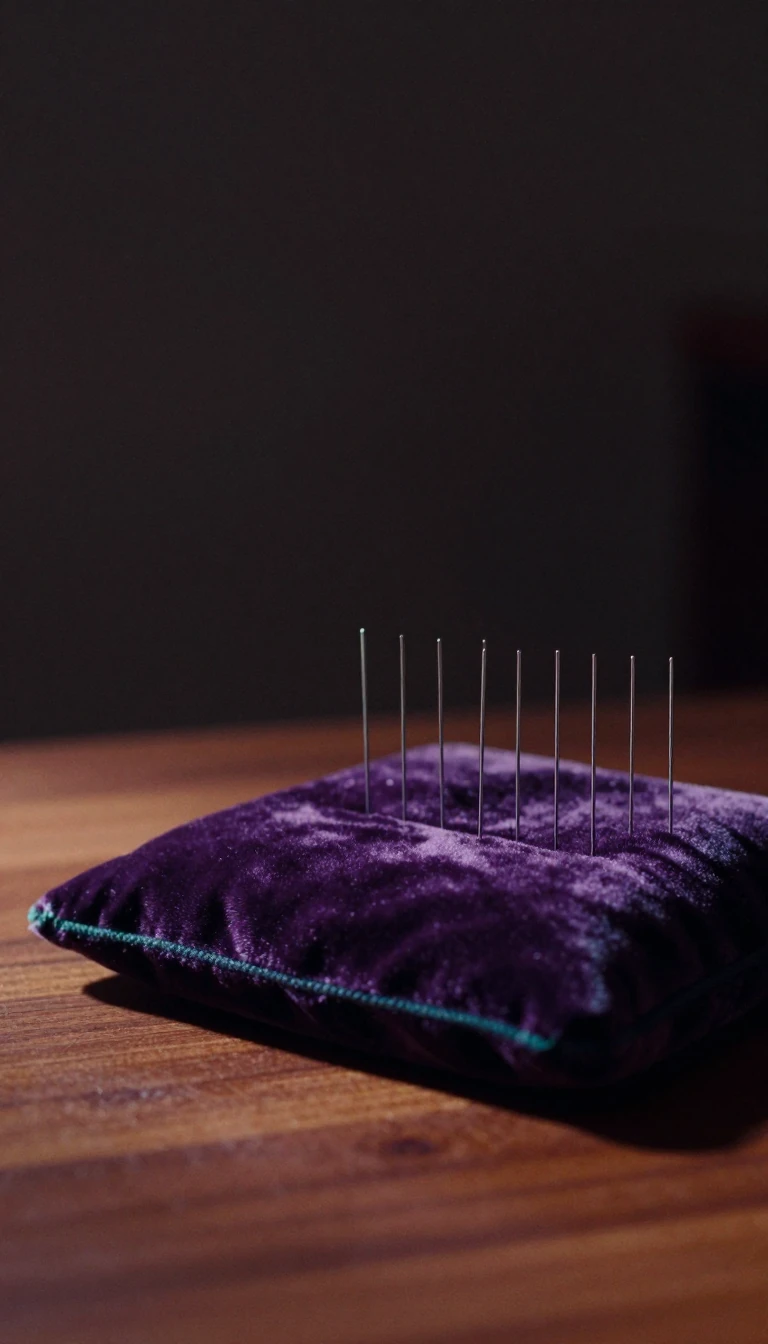 Chinese herbology is a vast, ancient system that often defies modern scientific scrutiny.Far from just plants, Chinese materia medica encompasses minerals, animal parts, and even human-derived substances. While these traditions date back millennia, modern researchers …
- The clinic is a medical chameleon, evolving from bedside care to global health infrastructure.The word clinic traces back to the Greek term for a bed, originally describing physicians who visited patients in their homes. Today, the term encompasses everything from rural mo…
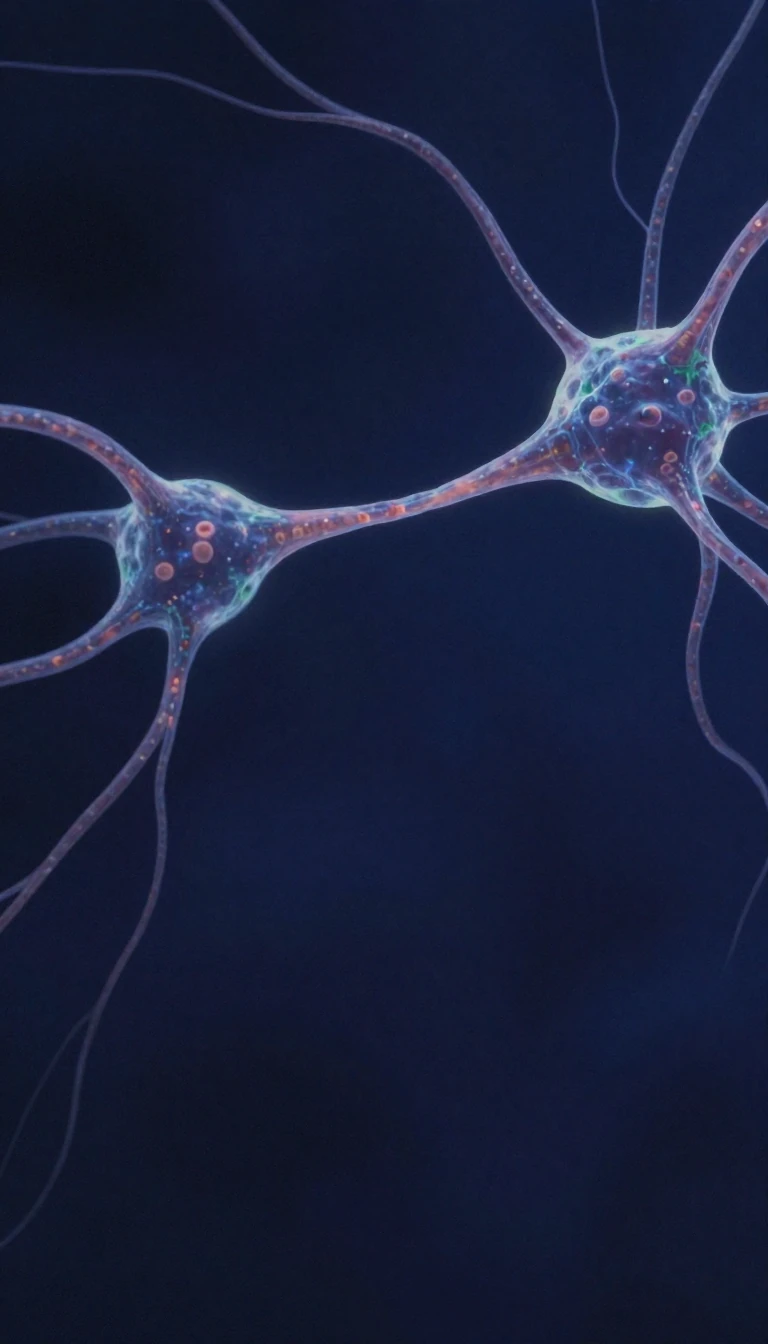 Clinical neuroscience bridges the gap between laboratory discovery and patient care at the bedside.Clinical neuroscience is an interdisciplinary field dedicated to understanding the nervous system in both health and disease. By uniting basic scientists, neurologists, and psychi…
 Your deltoid muscles are the powerhouse behind every overhead movement you make daily.The deltoid is the prominent muscle forming your shoulder's rounded contour, essential for lifting, rotating, and stabilizing your arm. While often taken for granted, this complex…
 From Barber-Surgeons to Modern Specialists: The Evolution of Dental CareDentistry began with barbers performing tooth extractions, but it has evolved into a highly specialized medical field. Today, dentists manage everything from complex oral surgery …
- Why the doctor's office remains the primary gateway for your personal health journeyThe doctor's office is more than just a room with a table; it is the fundamental hub for ambulatory care. While emergency departments handle crises, the office serves as the first…
- Beyond the siren: what does it actually take to be an emergency medical technician?Emergency medical technicians are the frontline of urgent care, balancing high-speed driving with life-saving medical interventions. While often confused with paramedics, these pr…
 Your facial skeleton is a complex architectural marvel shaped by your unique genetic codeThe human face is more than just skin and muscle; it is a sophisticated framework of fourteen distinct bones. Beyond its structural role, this skeleton acts as a biological record…
 Why your family doctor is the ultimate medical generalist for your entire lifeFamily medicine is designed to provide continuous care from birth to death. Unlike specialists who focus on specific organs or age groups, these physicians treat the whole person,…
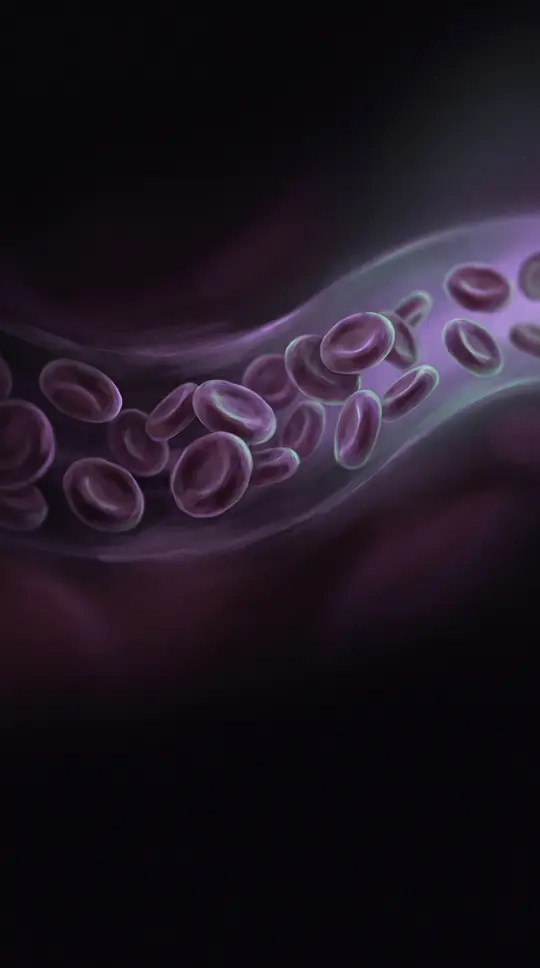 Why your first aid kit is likely missing the most critical emergency suppliesA first aid kit is more than just a box of bandages; it is a dynamic tool for emergency preparedness. Yet, most households lack one entirely, and those that do often rely on outda…
 Why did folk healers become the original targets of institutional power and suspicion?Folk healers have long provided essential care where formal medicine was absent or inaccessible. Yet, by bridging the gap between herbal knowledge and spiritual ritual, these prac…
 Why a simple forearm fracture in childhood can lead to recurring complications years laterThe forearm is more than just the space between your elbow and wrist. It is a complex mechanical system of two bones and specialized muscles. When a child suffers an occult injury…
 Your forehead is a complex anatomical machine for expression and sensory perceptionBeyond its role as a canvas for wrinkles, the forehead is a sophisticated anatomical structure. It houses the frontal bone and a network of nerves that govern both movement and se…
 The G-spot may not be a single point, but a vast erogenous zone.For decades, the search for the elusive G-spot has focused on finding a discrete, localized structure. New research suggests this is the wrong approach. Instead of a single point,…
- The gluteus maximus is the human body's largest muscle and essential for standing upright.While often associated with post-workout soreness, the gluteus maximus is a powerhouse you rely on every moment you stand, walk, or sit. This massive muscle distinguishes humans f…
 Why your groin pain might actually be coming from your back or hipGroin pain is often blamed on sports, but the source is rarely that simple. Because a complex network of nerves, muscles, and tendons converges in this junction, pain here can be …
- Why your hamstrings are the most vulnerable muscles in your legs during high-intensity sportsThe hamstrings are essential for walking, running, and jumping, but their unique structure makes them highly susceptible to injury. Often damaged during sudden stops or sprints, t…
 Can Artificial Intelligence Truly Teach Patients How to Manage Their Own Chronic Health Conditions?Artificial intelligence is rapidly entering the world of hypertension education, promising personalized guidance where traditional methods often fail. While these digital tools of…
- How do governments decide which hospitals and clinics receive the most funding?A health facility is more than just a building; it is a complex node in a national infrastructure. While we often judge a region's prosperity by the quality of its clinics, govern…
- Becoming an Allied Health Professional: A Path of Rigorous Training and Specialized CareAllied health professionals are essential to the healthcare system, providing specialized care that complements medical and nursing roles. Whether through university degrees or ap…
- Healthcare is a massive global engine that balances innovation with deep systemic vulnerabilities.Healthcare is one of the world's largest employers and a significant portion of national economies. While it drives life-saving innovation and offers diverse career paths, the ind…
 Why doctors now use painless flicking sensations to check the health of your liverHepatology, the study of the liver and its neighbors, has evolved from ancient speculation to precise modern diagnostics. Today, doctors can assess liver stiffness without surgery…
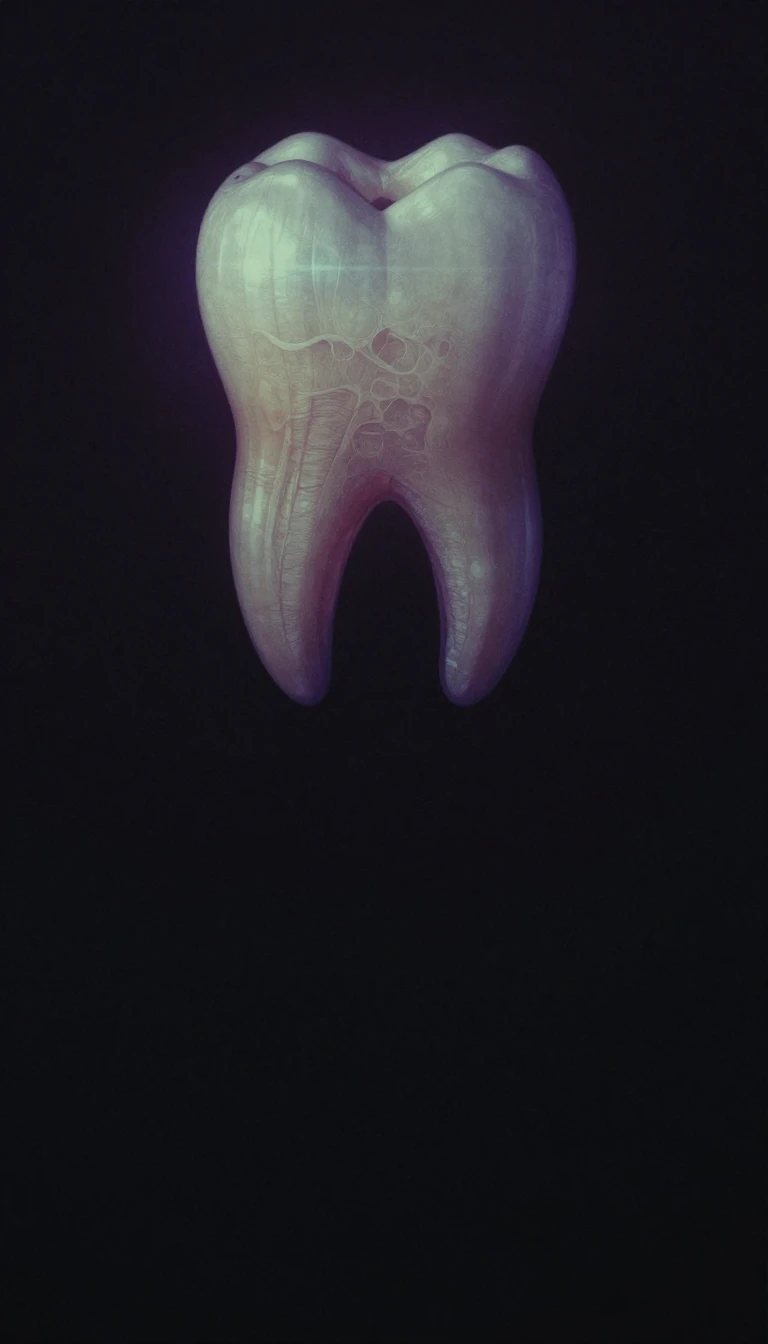 The human body is a complex, ancient machine built from repeated segmental patterns.Beneath the skin lies a sophisticated architecture of systems, organs, and tissues. While we share a vertebrate blueprint with other animals, our unique bipedal posture and highly…
 Why your hair color is more than just a simple pigment ratioHuman hair color is defined by the interplay of two distinct pigments, but the biological reality is far more complex. Beyond simple aesthetics, your hair's chemical composition i…
- The human mouth is a complex biological ecosystem and a vital sensory gateway.Beyond its role in digestion and speech, the human mouth serves as a dynamic habitat for diverse bacteria and a site for unique pathology. From the microbial communities that pers…
- Your musculoskeletal system is more than just a frame; it is a metabolic powerhouse.Beyond providing structure and enabling movement, your musculoskeletal system acts as a vital storage bank for minerals and a complex engine for energy metabolism. It is a dynamic…
 Why your genetic blueprint is 99.9% identical to every other human on EarthDespite our vast physical and mental differences, humans share 99.9% of their nucleotide sequences. This tiny fraction of variation, driven by genetics, environment, and lifestyle…
 Why the index finger is the most important tool for human communication and thoughtThe index finger is more than just a digit; it is a bridge between our minds and the world. From the dawn of language in infancy to the complex cultural symbols of divinity and au…
 Why the first month of life remains the most dangerous period for human survivalGlobally, 2.3 million newborns die every year, accounting for nearly half of all deaths in children under five. While medical advances have significantly reduced mortality since 1…
- Why infectious disease specialists are the detectives of the modern medical worldInfectious disease specialists bridge the gap between clinical care and laboratory science. They tackle complex, often mysterious infections caused by bacteria, viruses, fungi, an…
 Why intensive care units rely on a delicate balance of technology and human presenceIntensive care units are high-stakes environments where specialized teams monitor the most vulnerable patients. Beyond the complex machinery and life-saving interventions, these u…
 Can we engineer our way out of death or is aging an unavoidable entropy?For centuries, humanity has chased the dream of indefinite youth. While modern science explores everything from gene editing to nanorobotics, the biological reality remains stubbo…
 From Neolithic flint drills to artificial hearts, how do we define a medical device?A medical device is any tool intended for medical use, but the definition is surprisingly slippery. While modern regulations demand rigorous safety testing, the concept dates back…
 When a medical emergency strikes, your calm presence is as vital as professional help.A medical emergency is any acute condition threatening life or long-term health. While professional intervention is essential, the immediate actions of bystanders often dictate th…
 Is medical genetics the future of personalized medicine and complex disease management?Medical genetics bridges the gap between scientific research and clinical care. By analyzing DNA structure and gene expression, this field moves beyond studying hereditary disorde…
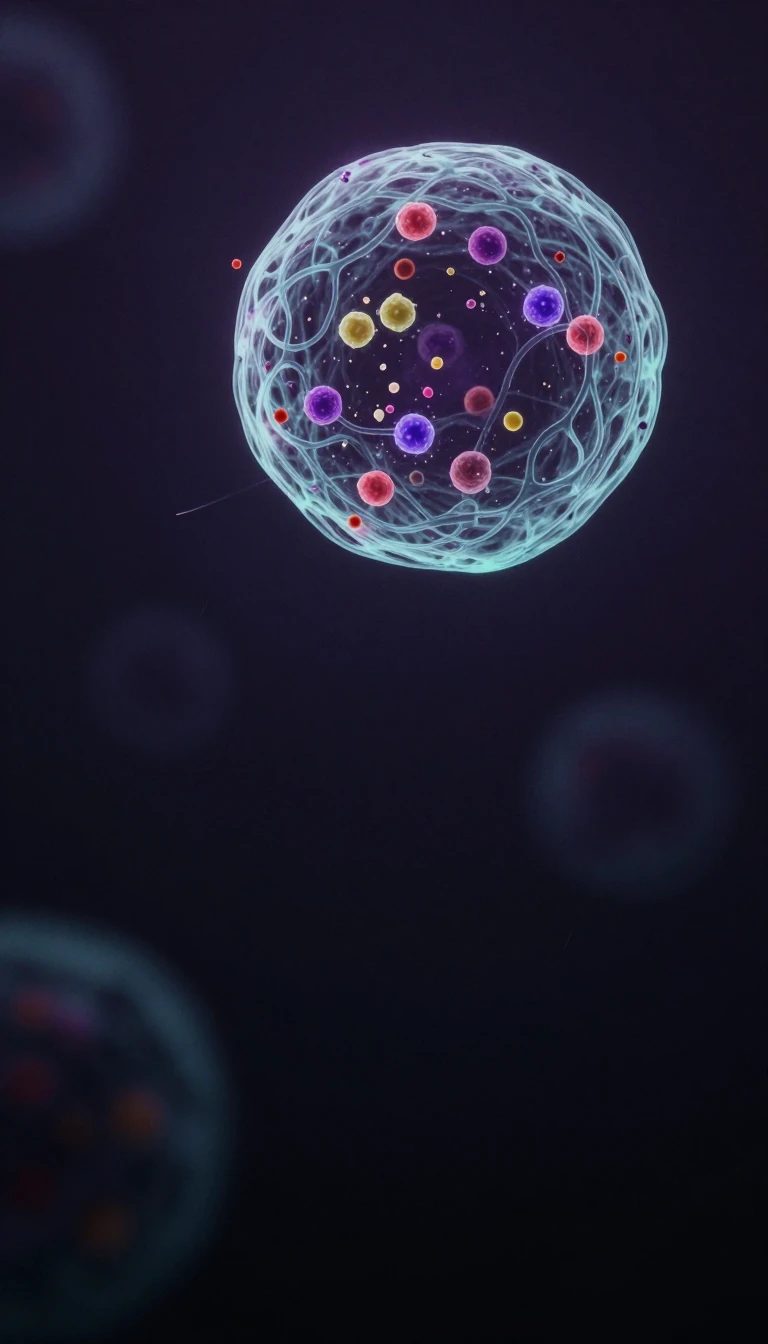 Medical microbiology is the invisible science protecting humanity from a world of pathogens.Microbes—bacteria, viruses, fungi, and parasites—cause one-third of all human deaths. Medical microbiology is the field dedicated to understanding these organisms, from their gene…
 Your garden might hide the next breakthrough in cancer treatment or pain managementMany common garden plants were originally cultivated for their healing properties rather than their aesthetics. From the willow bark that inspired aspirin to yew tree clippings no…
- How Medieval Islamic Scholars Preserved and Transformed the Foundations of Modern Medical ScienceBetween the eighth and fourteenth centuries, Islamic civilization became the world's medical powerhouse. By synthesizing ancient Greek, Roman, Persian, and Indian traditions, phys…
 Naturopathy: A Controversial Blend of Ancient Vitalism and Modern Medical AspirationsNaturopathy promises holistic, self-healing care, yet it remains a lightning rod for criticism. While some practitioners integrate conventional medicine, others rely on pseudoscie…
- How a Nashville physician turned an iron lung into a life-saving neonatal miracle.Before 1961, premature infants gasping for air had few options. Mildred Stahlman changed everything by adapting polio-era technology for the smallest patients. Her pioneering work…
- Why the modern workplace requires a specialized medical guardian to protect your healthOccupational medicine is more than just workplace safety. It is a specialized field where physicians bridge the gap between clinical care and public health. By understanding both …
- Why the modern operating theater is a misnomer for a sterile, high-tech environmentOnce a public amphitheater where spectators watched surgeons operate in street clothes, the operating room has evolved into a highly controlled, aseptic sanctuary. Today, it is a …
 Why modern orthodontics is less about brute force and more about precise engineering.Orthodontics has evolved from primitive 1000 BC appliances to sophisticated systems that manipulate teeth in three dimensions. While once reliant on painful, manual wire-bending, …
- Is osteopathy a medical discipline or a controversial system of physical manipulation?Osteopathy began in 1874 as a reformist challenge to the harsh medical practices of the 19th century. Today, it exists in two distinct worlds: a branch of medical practice in the …
 Pharmacodynamics: The Science of How Drugs Actually Change Your Body's Internal ChemistryPharmacodynamics is the study of how drugs influence an organism, distinct from pharmacokinetics, which tracks how the body processes those drugs. Together, these fields determine…
 From ancient Egyptian tomb carvings to modern surgical specialists, the evolution of foot care.Podiatry has transformed from an independent medical tradition into a sophisticated, regulated healthcare specialty. While historical figures like Napoleon relied on personal foot…
- The forty-day isolation period that defined modern quarantine originated in the Venetian Republic.Quarantine is not just a modern response to pandemics; it is a centuries-old practice rooted in the Black Death. The term itself comes from the Venetian word for forty days, a dur…
 Reproductive medicine is evolving beyond fertility treatments into a precise, data-driven medical discipline.Reproductive medicine encompasses far more than just assisted conception. It integrates endocrinology, genetics, and advanced imaging to manage health from early life through preg…