Can we actually delete a traumatic memory from the human brain?
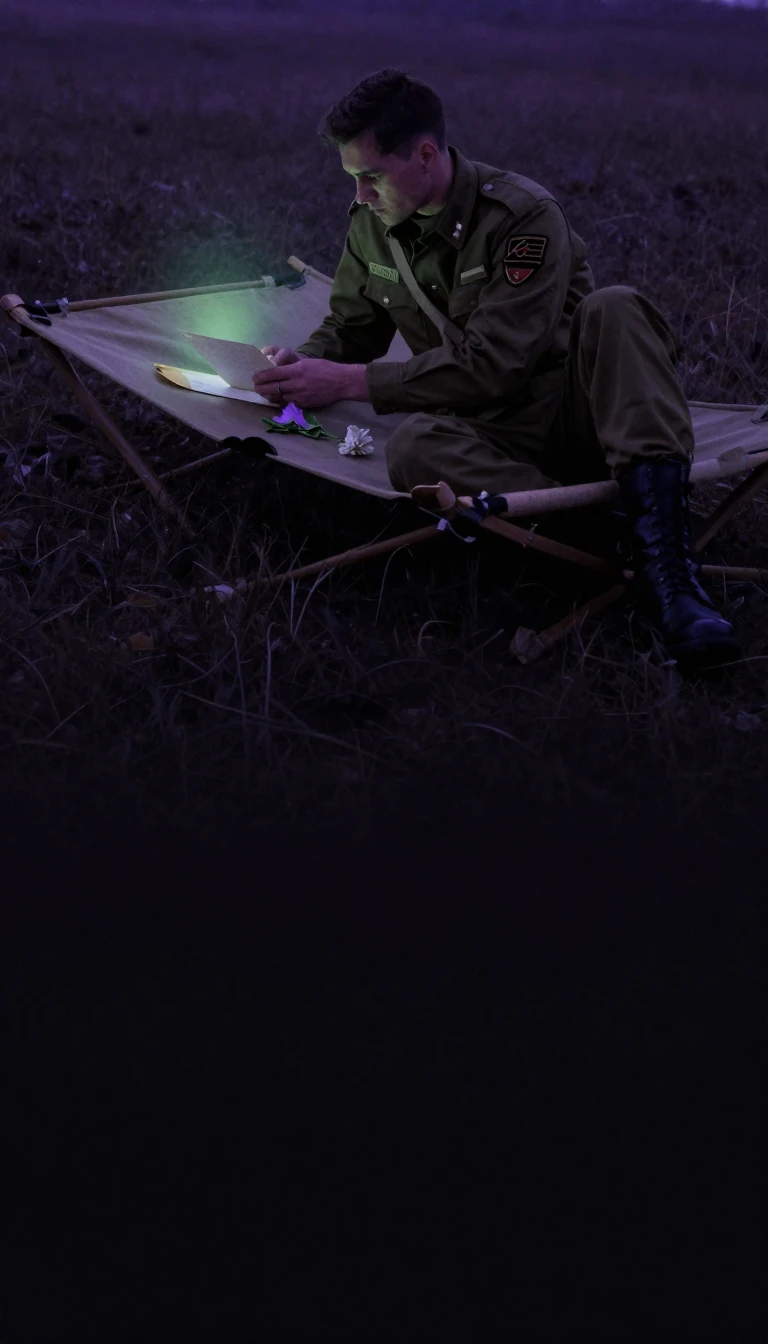
In short: Researchers are moving toward finding a biological delete button for painful experiences. By identifying specific neurons that store memories, scientists explore how to switch off traumatic associations at a cellular level. This work aims to help patients with conditions like PTSD by targeting the physical traces left in the brain.
The quest to erase memories has shifted from science fiction to laboratory reality. Historically, Ivan Pavlov suggested in the 1920s that memory 'extinction' occurs through active suppression. However, modern neuroscience suggests a different mechanism: revisiting memories makes them malleable. This malleability is currently exploited in exposure therapy to help patients process trauma rather than simply hiding it.
A major breakthrough involves 'engram cells'—specific neurons that are activated during an experience, leaving behind a physical memory trace. In the Remote memory traces project at EPFL, researcher Johannes Gräff and his team successfully identified and tagged these neurons in mice. They discovered that 'unlearning' or erasing a traumatic memory occurs within the exact same cells used to store it. By inserting a molecular switch into these engram cells, researchers were able to effectively turn off specific memories in mice.
While promising, human application remains complex. Current methods involve using tools like replication-defective herpes simplex viruses to target proteins like CREB, which helps identify fear-related neurons. However, Gräff warns that humans are orders of magnitude more complex; we currently lack the precision to switch off one specific memory without accidentally erasing others. The current goal is not a 'magic' deletion but finding pharmacological ways to enhance existing therapies for conditions like PTSD.
The distinction between 'erasure' and 'extinction' remains a key area of study. While extinction involves learning new behaviors that override old ones, erasure seeks to remove the underlying association itself. If successful, this could revolutionize psychiatry by providing targeted treatments for substance use disorders and chronic anxiety.
Opens the Intellect+ feed with this card first. Swipe up for the next one.
Sources
- Summary by Intellect · source: Can a memory be erased?
- Also: Memory erasure
- Also: Advances in fear memory erasure and its neural mechanisms.
To cite this card, link to https://intellectplus.co.uk/app/health-memory-erasure.
How we source, check and correct cards: Editorial standards.
General information, not professional advice. Spotted an error? Flag the card or see corrections and complaints.
Intellect Plus is a visual educational discovery platform for exploring fascinating facts and ideas. Brain Food, Not Brain Rot. What is Intellect Plus?
Related
More in Exercise & fitness · More in Health · Latest · A–Z · All topics
