Your brain uses 'good enough' shortcuts that can lead to systematic errors
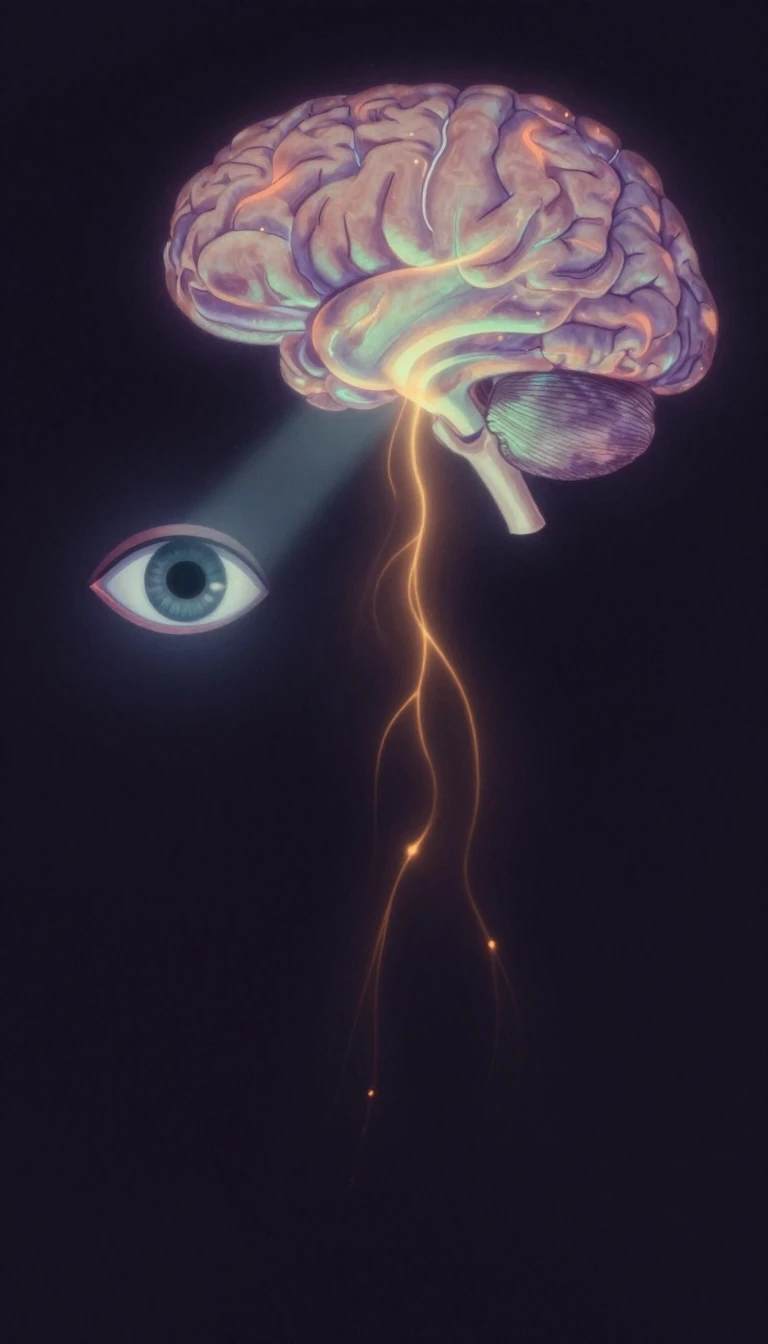
In short: Why do we make predictable mistakes in judgment? It is often because our brains prioritize speed over perfection. By using mental shortcuts called heuristics, our minds reduce cognitive load to produce serviceable results quickly, though these same shortcuts can occasionally lead to suboptimal or incorrect decisions.
Cognitive biases are systematic patterns of deviation from rationality or norm in judgment. They are not just random errors; they are predictable patterns in how the human brain functions due to a subjective perception of reality. These biases are studied across multiple fields, including psychology, sociology, and behavioral economics. While some biases are categorized as 'cold' (mental noise) and others as 'hot' (motivational distortions like wishful thinking), both can occur simultaneously. The primary mechanism behind these biases is the use of heuristics. Derived from the Greek 'heuriskein' (to discover), heuristics are intuitive processes of judgment used under conditions of uncertainty. While algorithms function as thorough, sequential methods ensuring accurate outcomes, heuristics operate as 'rules of thumb.' By disregarding certain pertinent data, these mental shortcuts enable the mind to tackle intricate issues with minimal exertion to reach 'good enough' conclusions.
Nevertheless, whether these cognitive shortcuts are beneficial remains contested.
Some researchers, such as Gerd Gigerenzer, argue against framing biases solely as errors in judgment, suggesting instead that they may represent rational deviations from logical thought. For instance, confirmation bias—the tendency to ask leading questions that confirm existing assumptions—can be viewed as a social skill for establishing connections rather than a simple flaw. In high-stakes environments like veterinary medicine or obstetrics, recognizing these biases is essential, as they can contribute to medical decision-making mistakes or 'cognitive tunneling' during time-pressured situations.
Opens the Intellect+ feed with this card first. Swipe up for the next one.
Sources
- Summary by Intellect · source: List of cognitive biases
- Also: Cognitive bias | Description & Examples | Britannica
- Also: Frontiers in veterinary science — Teaching common cognitive biases and associated errors in veterinary neurologic diagnosis using clinical vignettes: a narrative review. · CC BY
To cite this card, link to https://intellectplus.co.uk/app/health-list-of-cognitive-biases.
How we source, check and correct cards: Editorial standards.
General information, not professional advice. Spotted an error? Flag the card or see corrections and complaints.
Intellect Plus is a visual educational discovery platform for exploring fascinating facts and ideas. Brain Food, Not Brain Rot. What is Intellect Plus?
Related
More in Exercise & fitness · More in Health · Latest · A–Z · All topics
