Once a celebrated insomnia cure, this sedative became a symbol of 1970s excess.
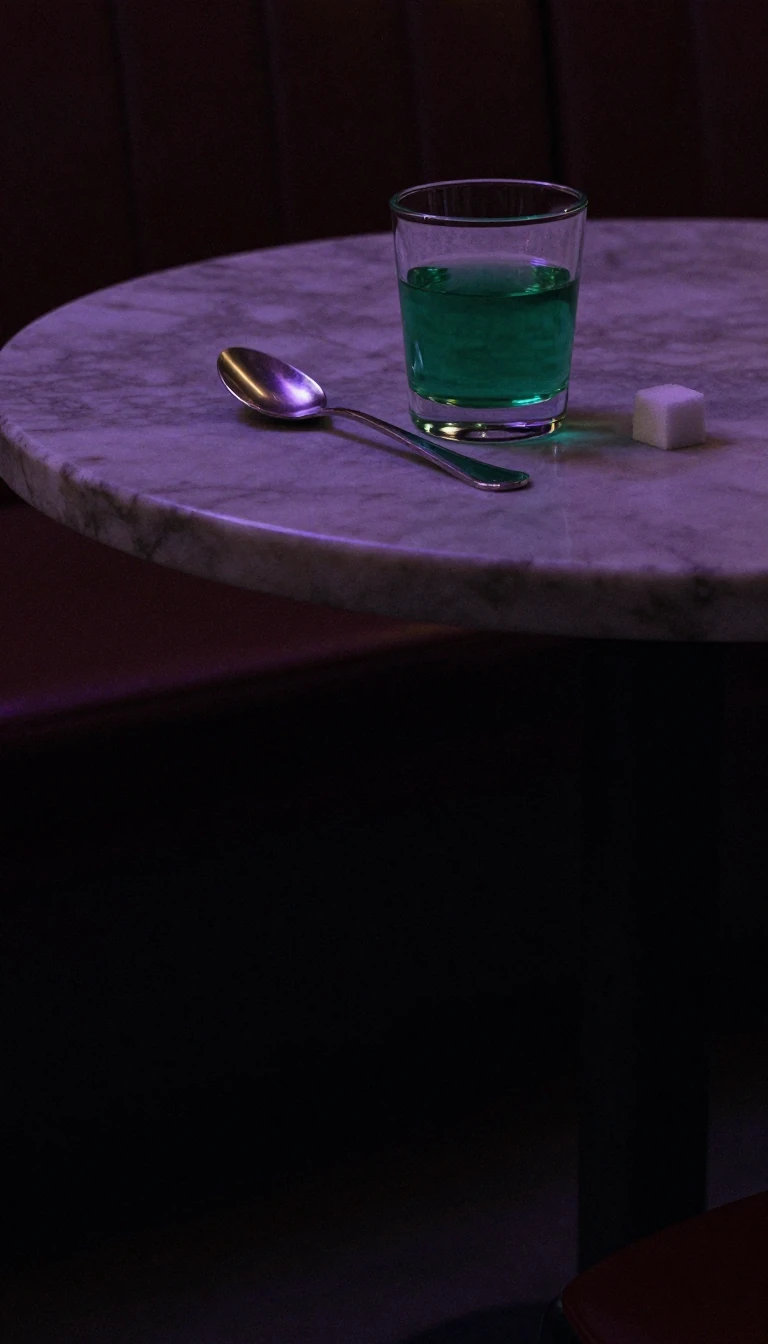
In short: Marketed as a non-addictive alternative to barbiturates, methaqualone quickly escaped the pharmacy to become a cultural icon of the disco era. Despite its clinical origins as a potential antimalarial, the drug's potent sedative effects and high potential for abuse led to its eventual global ban and Schedule I classification.
First synthesized in India in 1951 by researchers seeking antimalarial treatments, methaqualone—a quinazolinone derivative—was soon recognized for its powerful sedative and muscle-relaxant properties. By the 1960s, it was being manufactured by firms like William H. Rorer, Inc., which marketed it under the brand name Quaalude. The name was a portmanteau of 'quiet interlude,' designed to evoke a sense of calm. It was widely prescribed for anxiety and insomnia, with manufacturers initially claiming it was non-addictive—a belief that proved dangerously inaccurate.
The drug functions as a mixed GABAA receptor modulator. Unlike benzodiazepines, which have a specific binding site, methaqualone binds to a distinct area on the GABAA receptor complex, enhancing the inhibitory effects of the neurotransmitter GABA. This mechanism induces sedation, but its effects vary significantly by dose. While a standard therapeutic tablet typically contained 300 mg, the margin for safety was narrow. Overdose can cause severe respiratory depression, coma, and death. Combining the drug with alcohol, which was common in its recreational use, drastically increases these risks; a dose as low as 2000 mg can induce a coma when taken with alcohol, while 8000 mg is considered lethal.
By the 1970s, the drug's reputation had shifted from a medical tool to a 'fun' party drug, fueled by its portrayal in film, music, and the disco scene. Its misuse became so pervasive that Rorer executives famously noted that while the drug accounted for less than 2% of sales, it caused 98% of their headaches. Despite efforts by the Lemmon Company to rebrand it as Mequin to escape the negative stigma, the drug was eventually withdrawn from the US market in 1985. Today, methaqualone remains a Schedule I controlled substance with no accepted medical use, though it persists as a recreational drug in some regions and has seen the emergence of highly potent designer analogues.
Opens the Intellect+ feed with this card first. Swipe up for the next one.
Sources
- Summary by Intellect · source: Methaqualone
- Also: Methaqualone | Description, Actions, Uses, & Side Effects | Britannica
- Also: Methaqualone
To cite this card, link to https://intellectplus.co.uk/app/health-methaqualone.
How we source, check and correct cards: Editorial standards.
General information, not professional advice. Spotted an error? Flag the card or see corrections and complaints.
Intellect Plus is a visual educational discovery platform for exploring fascinating facts and ideas. Brain Food, Not Brain Rot. What is Intellect Plus?
Related
More in Health, medicine and disease · More in Health · Latest · A–Z · All topics
