The invisible architects of modern global military partnerships
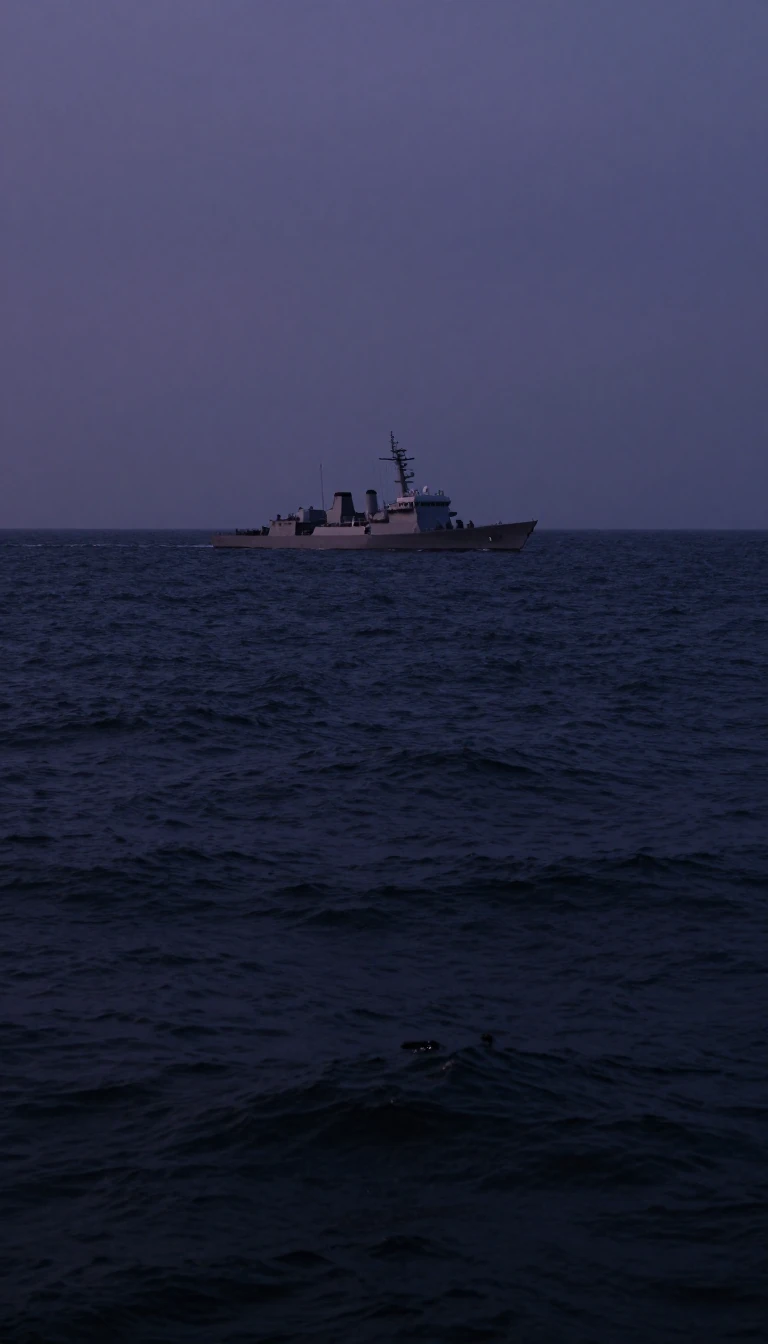
In short: From 1940s Yugoslavia to modern-day Thailand, a specific U.S. designation has shaped how nations build their armed forces. These weren't combat troops, but technical advisors embedded within foreign embassies to manage everything from artillery training to multi-million dollar equipment contracts.
The Military Assistance Advisory Group (MAAG) served as the primary vehicle for U.S. military outreach from the 1940s through the 1970s. Unlike direct combat units, MAAG personnel were technically classified as part of the U.S. diplomatic mission. This status allowed them to provide high-level training and facilitate military aid while remaining non-combatants. While many groups operated globally, the most prominent were active in South Vietnam, Cambodia, Laos, and Thailand during the Vietnam War.
The scope of MAAG operations was vast and varied by geopolitical needs. In NATO countries, bodies like MAAG France (1949–54) and MAAG United Kingdom (1949–57) managed regional defense. Beyond NATO, the U.S. established groups in Brazil (1953), Iran (until 1979), and the Philippines. In some cases, these missions were highly specific: MAAG Spain was responsible for administering mutual defense assistance, while the Joint U.S. Military Group (JUSMG) Spain focused on constructing bases for U.S. use.
The history of these groups is marked by complex political friction. In Cambodia, MAAG was terminated in 1963 after the government canceled U.S. aid to maintain neutrality. In Laos, the group was replaced by a 'Requirements Office' to serve as a cover for CIA activities following the 1962 Geneva accords. In Vietnam, the U.S. initially spent $1 billion supporting the French military by 1954, despite French reluctance to accept U.S. advice that might weaken their colonial status. Today, many of these functions continue under successor organizations like United States Military Groups (USMILGP).
The legacy of these advisors is still visible in the physical landscape of former host nations. In Taiwan, the site of the MAAG headquarters in Taipei was occupied by the American Institute in Taiwan by 1979. In Iran, the mission managed massive programs like Project Dark Gene and Project Ibex, even successfully rebating approximately $50 million from the Grumman Corporation despite endemic corruption.
Opens the Intellect+ feed with this card first. Swipe up for the next one.
Sources
- Summary by Intellect · source: Military Assistance Advisory Group
To cite this card, link to https://intellectplus.co.uk/app/health-military-assistance-advisory-group.
How we source, check and correct cards: Editorial standards.
General information, not professional advice. Spotted an error? Flag the card or see corrections and complaints.
Intellect Plus is a visual educational discovery platform for exploring fascinating facts and ideas. Brain Food, Not Brain Rot. What is Intellect Plus?
