Why the line between a broken brain and a troubled mind is blurring
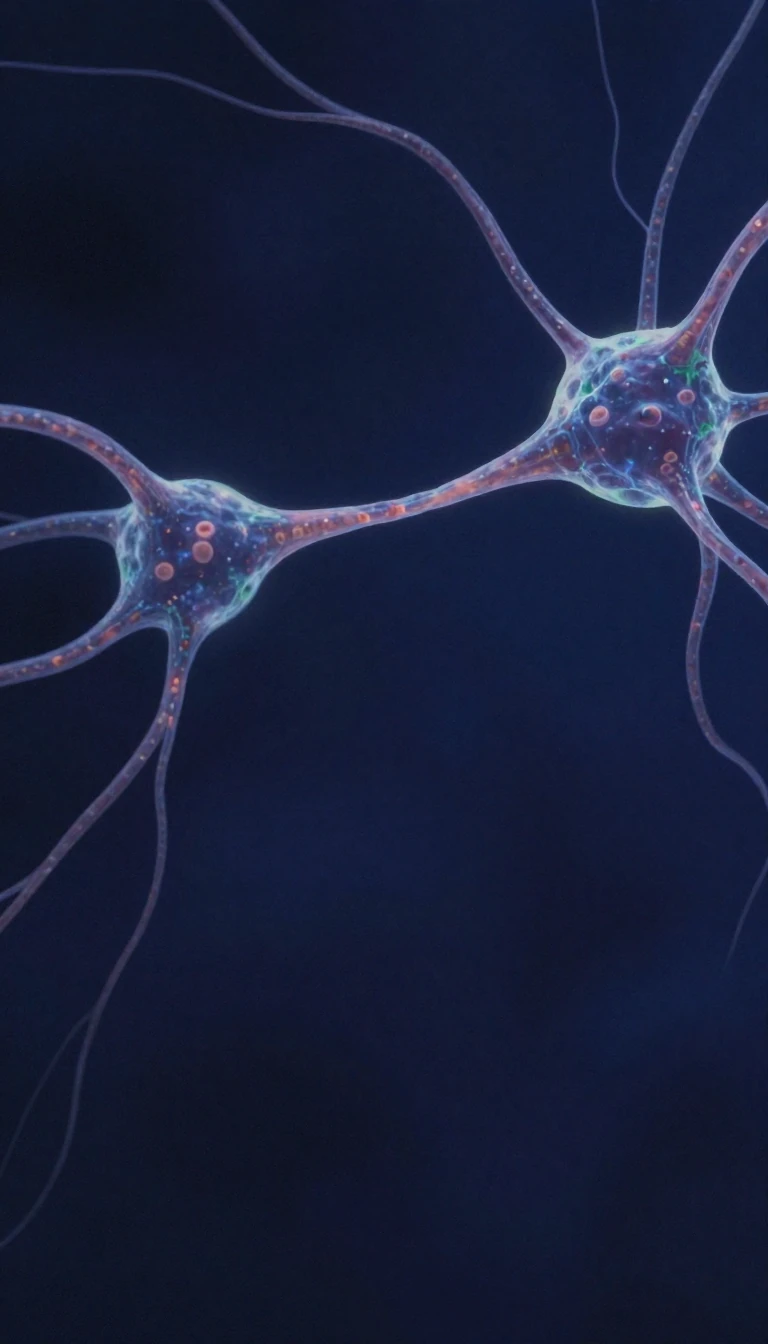
In short: Neurological disorders affect one billion people worldwide, yet the boundary between physical brain damage and psychological distress remains surprisingly porous. While some conditions have clear structural causes, others like functional neurological disorder challenge our understanding of how the nervous system, emotions, and consciousness interact to produce physical symptoms.
A neurological disorder is defined as any abnormality—structural, biochemical, or electrical—within the nervous system. These conditions can manifest in diverse ways, from paralysis and seizures to cognitive decline. While the brain and spinal cord are physically shielded by the skull and the blood-brain barrier, they remain vulnerable to genetic mutations, infections, and environmental factors. Recent research highlights that DNA repair deficiencies are etiologically linked to various disorders, including amyotrophic lateral sclerosis and frontotemporal dementia, as neurons struggle to manage chronic oxidative stress.
The classification of these disorders is often complex. While some are clearly organic, others are idiopathic, meaning no definitive cause can be identified through current testing. This ambiguity creates a contentious space where symptoms may be labeled as functional. In functional neurological disorder (FND), patients experience physical symptoms like weakness or seizures that appear disconnected from traditional structural damage. Historically neglected, FND is now seeing a renaissance of interest, with researchers like Mark Hallett investigating the role of brain network abnormalities and the influence of volition and agency on these conditions.
The distinction between neurology and psychiatry is frequently debated. While biological psychiatry attempts to map mental disorders to nervous system functions, clinical practice often relies on structured interviews rather than brain scans, which cannot currently diagnose mental health conditions. Furthermore, conditions like conversion disorder or dissociation suggest that emotional states and social stress can profoundly impact physical functioning. As digital healthcare tools emerge to assist in diagnosis and therapy, the medical community faces the challenge of integrating these technologies without losing the essential, human-centered therapeutic relationship required to treat the most complex disorders of the mind and body.
Opens the Intellect+ feed with this card first. Swipe up for the next one.
Sources
- Summary by Intellect · source: Neurological disorder
- Also: Mark Hallett and the renaissance of functional neurological disorder.
- Also: Philosophical transactions of the Royal Society of London. Series B, Biological sciences — Unmet needs in functional neurological disorder related to digital healthcare. · CC BY
- Also: www.hopkinsmedicine.org — Neurological Disorders
To cite this card, link to https://intellectplus.co.uk/app/health-neurological-disorder.
How we source, check and correct cards: Editorial standards.
General information, not professional advice. Spotted an error? Flag the card or see corrections and complaints.
Intellect Plus is a visual educational discovery platform for exploring fascinating facts and ideas. Brain Food, Not Brain Rot. What is Intellect Plus?
Related
More in Health, medicine and disease · More in Health · Latest · A–Z · All topics
