Clinical neuroscience bridges the gap between laboratory discovery and patient care at the bedside.
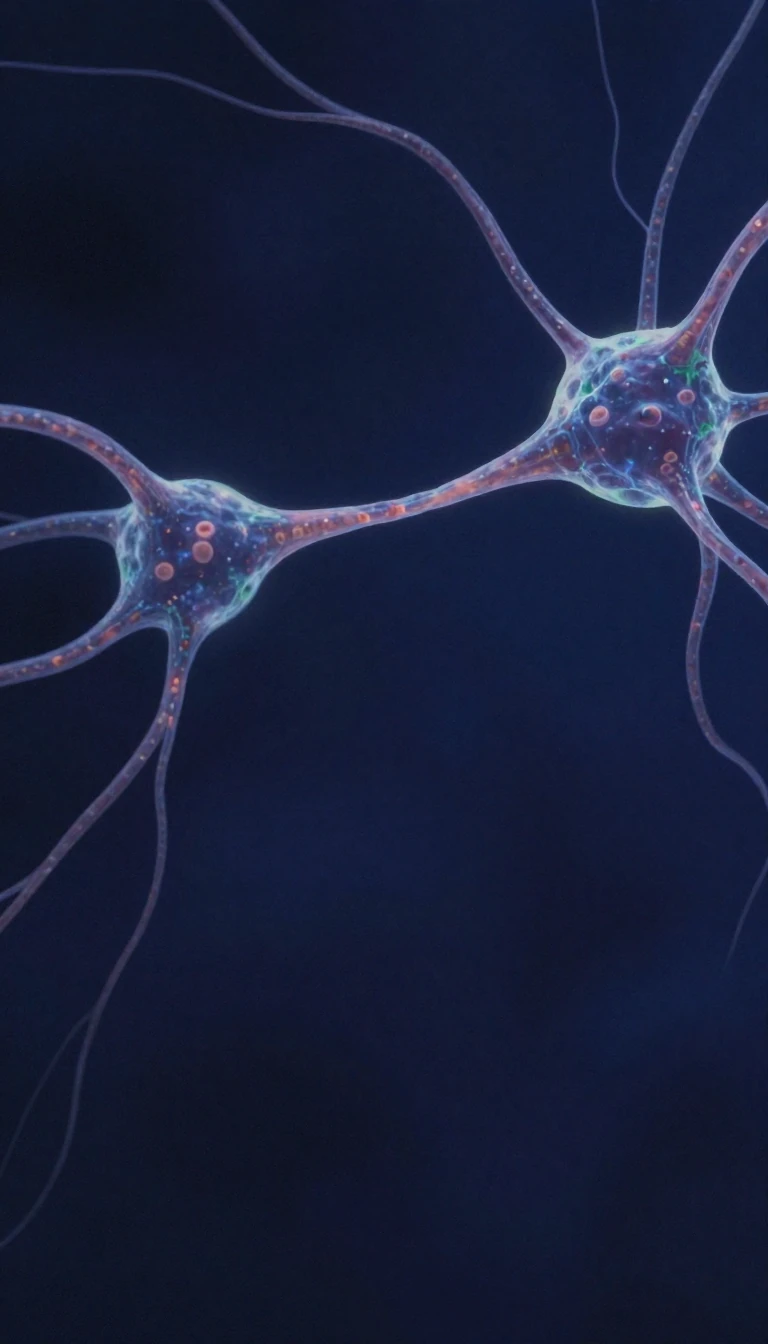
In short: Clinical neuroscience is an interdisciplinary field dedicated to understanding the nervous system in both health and disease. By uniting basic scientists, neurologists, and psychiatrists, the discipline transforms complex laboratory research into practical diagnostic tools and treatments for brain disorders, ensuring that scientific breakthroughs directly improve patient care and outcomes.
At its core, clinical neuroscience focuses on the fundamental mechanisms underlying disorders of the brain and central nervous system. Rather than working in isolation, researchers and clinicians—including imaging physicists, psychologists, and neurosurgeons—collaborate to decode how anatomical, physiological, and pathological factors manifest as symptoms. This translational approach, often described as moving from bench to bedside, aims to integrate advances in fields like genetics, electrophysiology, and neuroimaging into evidence-based clinical practice.
The scope of the field is vast, addressing conditions ranging from neurodegenerative diseases like Alzheimer's and Parkinson's to psychiatric disorders such as schizophrenia, depression, and autism. By breaking down intellectual silos, clinical neuroscience seeks to develop novel ways to conceptualize, diagnose, and prevent these conditions. For instance, initiatives like the 2011 'One Mind for Research' forum have advocated for longitudinal studies—similar to the Framingham Heart Study—to better understand brain health across the lifespan and identify developmental risk factors before they escalate.
Education plays a critical role in this evolution. Modern programs, such as those at the Brighton and Sussex Medical School or King's College London, emphasize a multidisciplinary environment where students learn to synthesize information across neurology, psychiatry, and radiology. This training is essential for preparing future practitioners to navigate the complex ethical and societal implications of neuroscience. As the field matures, the integration of diverse perspectives—from social psychiatry to advanced molecular neuroscience—remains vital for addressing the intricate relationship between the physical brain and human behavior.
Opens the Intellect+ feed with this card first. Swipe up for the next one.
Sources
- Summary by Intellect · source: Clinical Neuroscience - BSMS
- Also: Clinical neuroscience
- Also: Clinical Neuroscience MSc | King's College London
To cite this card, link to https://intellectplus.co.uk/app/health-clinical-neuroscience.
How we source, check and correct cards: Editorial standards.
General information, not professional advice. Spotted an error? Flag the card or see corrections and complaints.
Intellect Plus is a visual educational discovery platform for exploring fascinating facts and ideas. Brain Food, Not Brain Rot. What is Intellect Plus?
Related
More in Medical basics · More in Health · Latest · A–Z · All topics
