The ancient, long-lived architects hidden within your bones
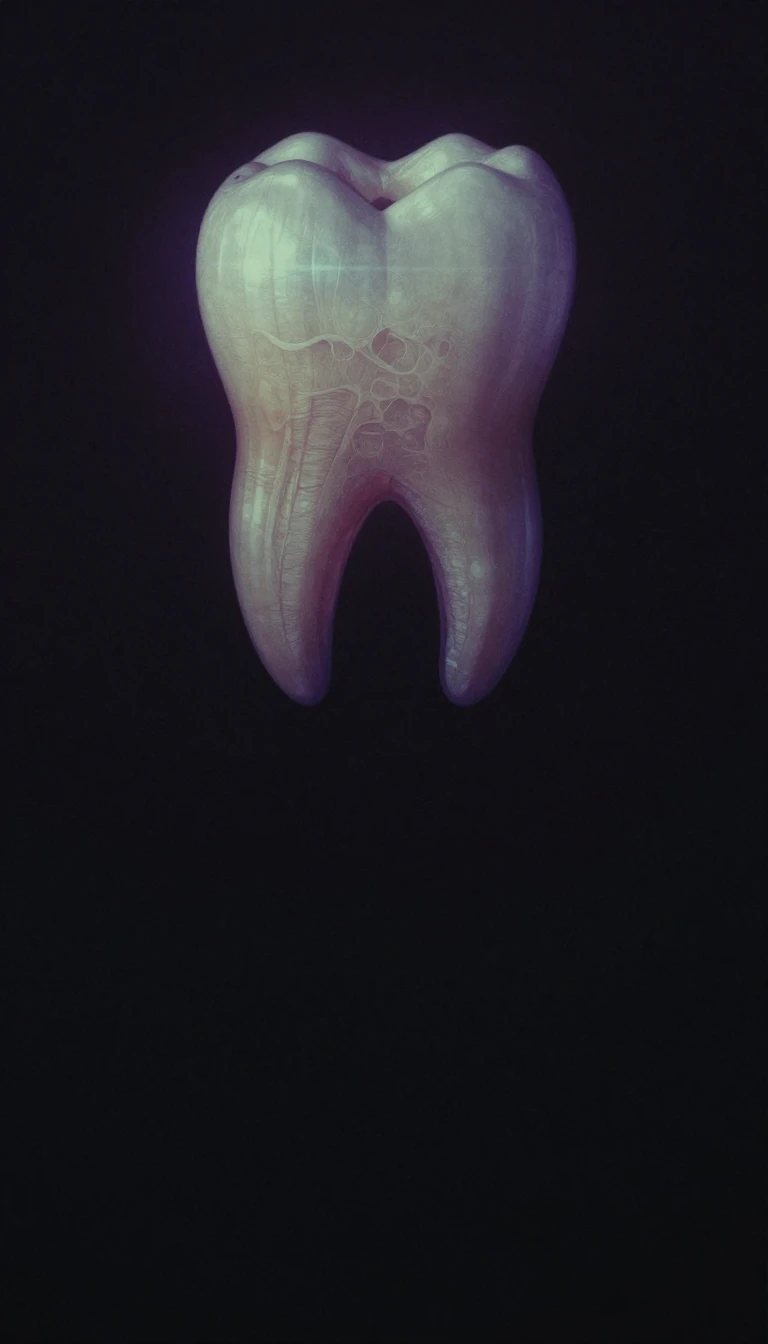
In short: Deep inside your mineralized skeleton lives a vast, communicating network of cells that can live as long as you do. These are osteocytes: the master regulators that sense every physical movement and decide whether your bones should grow stronger or begin to break down.
Osteocytes are mature bone cells that originate from osteoblasts. As these bone-forming cells secrete bone matrix, they eventually become trapped within small cavities called lacunae. Once encased, they develop long, slender dendritic processes that extend through microscopic channels known as canalic and reach out to connect with neighboring cells and blood vessels in the Haversian canals. An average of 50 such processes per cell helps maintain this intricate web. These cells are often described as having a stellate or oblate shape, with diameters ranging from 5 to 20 micrometers.
Far from being passive prisoners of the bone, osteocytes function as a sophisticated mechanosensory network. They detect the mechanical stress generated by everyday physical activities. By utilizing signaling molecules such as sclerostin, RANKL, and OPG, they coordinate the essential balance of bone remodeling—directing osteoblasts to form new bone and osteoclasts to resorb old tissue. This mechanism ensures that bones become stronger under repeated loading, such as exercise, but may weaken during periods of prolonged inactivity. Beyond structural maintenance, they also regulate phosphate balance and vitamin D metabolism by secreting the hormone FGF23. This allows the body to manage essential mineral levels effectively.
These cells are among the most abundant and enduring in the human body, with some estimates suggesting they can survive for decades or even as long as the organism itself. However, this longevity comes with vulnerability. Processes such as aging and glycative stress can trigger oxidative stress and cellular senescence, reducing osteocyte viability. Such dysfunction can disrupt mineral homeostasis—the regulation of calcium and phosphate—and is implicated in skeletal disorders like osteoporosis and osteoarthritis. The fossil record reveals that these specialized cells were already present in the bones of jawless fish between 400 and 250 million years ago. In the human body, it is estimated that there are approximately 42 billion of these cells.
Opens the Intellect+ feed with this card first. Swipe up for the next one.
Sources
- Summary by Intellect · source: Osteocyte | Definition, Function, Location, & Facts | Britannica
- Also: Osteocyte
To cite this card, link to https://intellectplus.co.uk/app/health-osteocyte.
How we source, check and correct cards: Editorial standards.
General information, not professional advice. Spotted an error? Flag the card or see corrections and complaints.
Intellect Plus is a visual educational discovery platform for exploring fascinating facts and ideas. Brain Food, Not Brain Rot. What is Intellect Plus?
Related
More in Bones & muscles · More in Health · Latest · A–Z · All topics
