 Intellect Plus
Bones & muscles
31 cards. Each one is a 40-second story with a five-minute read behind it.
 Mastering the 206 Bones of the Human Skeletal SystemMemorizing human anatomy doesn't have to be overwhelming. This video breaks down the skeletal system into manageable parts, using visual aids and memory tricks to help students of…
 The architecture of life: how five bone types power the bodyYour skeleton is more than a rigid frame; it is a diverse collection of specialized structures. This video breaks down the distinct shapes and mechanical roles of human bones, fro…
 The microscopic machinery that powers every human movementThis 3D animation pulls back the curtain on skeletal muscle, moving from broad anatomy to the molecular level. It explains how your body converts chemical energy into physical for…
 Mastering the Complex Anatomy of the Human Upper LimbMemorizing every muscle in the arm can feel overwhelming. This video breaks down the anatomy of the upper limb into manageable sections, designed to help learners move beyond rote…
 Mastering the Complex Architecture of Your Core and BackNavigating the intricate network of muscles in your torso can feel overwhelming for anyone without a medical background. This video breaks down these anatomical structures to help…
 The architecture of your skeleton is categorized by six distinct formsThis video provides a comprehensive breakdown of the 206 bones in the human skeleton, categorizing them into four major and two minor types based on their unique anatomical struct…
 The microscopic sliding mechanics that power every voluntary human movementExplore how your muscles transform electrical signals into physical motion. This video breaks down the anatomical hierarchy of skeletal muscle, from large organs down to the micro…
 The microscopic machinery turning molecular slides into physical powerMuscle contraction isn't just a simple pull; it is a masterpiece of biological engineering spanning five distinct levels of organization. From the macroscopic organ down to indivi…
 Mammals may have hijacked ancient viruses to master cell fateWe often think of viruses as mere invaders, but some may have become essential architects of life. New research suggests that placental mammals have co-opted endogenous retrovirus…
 A deep-sea glass house where roommates live for lifeIn the crushing depths of the Pacific, a glass sponge builds a literal house for its neighbors. This symbiotic arrangement forces a pair of tiny crustaceans to live inside the spo…
 Corals hold a 450-million-year-old genetic blueprint for animal lifeWhile most animals undergo radical genomic restructuring, stony corals have maintained an ancient chromosomal core. By preserving a stable architecture from the Precambrian era, t…
 Mammals may possess a hidden switch for complex tissue regrowthFor centuries, the inability to regrow limbs has been seen as a fundamental human limitation. However, new research suggests that our bodies might not lack the machinery for regen…
 The 2,500-year-old pantry pest: why red flour beetles endureFrom ancient Egyptian tombs to modern pantries, the red flour beetle is a master of survival. These tiny insects can thrive in environments as dry as 8% moisture, turning your sto…
 The chemical dance that saved dinosaur eggs from dissolvingIn the acidic soils of the Late Cretaceous, dinosaur eggshells should have vanished. Instead, they survived. This preservation wasn't a fluke of geology, but a precise chemical in…
 The hidden engineering of fish scales reveals secrets for modern materialsFish scales are far more than simple armor; they are sophisticated biological structures that balance strength with extreme toughness. By studying their hierarchical architecture,…
 The shell is the skeleton of history's first scientific curiositiesBefore we had high-resolution DNA sequencing, scientists relied on the tangible architecture of shells to map life. Conchology—the study of mollusc shells—was a primary gateway fo…
 Before corals ruled the seas, these 'ancient cups' built the first reefsImagine a world where the first complex reef systems weren't built by corals, but by strange, vase-shaped organisms. These extinct creatures, known as archaeocyathids, pioneered m…
- Sponges build glass skeletons that outperform man-made fiber opticsDeep in the ocean, sponges construct intricate skeletons from silica. These aren't just structural supports; they are masterpieces of biological engineering. Some of these glass s…
 Your hip bone is a masterpiece of biological engineering and fusionThe hip bone isn't just one solid piece of calcium. In infants, it begins as three separate components joined by cartilage. It takes years of growth and complex chemical signals f…
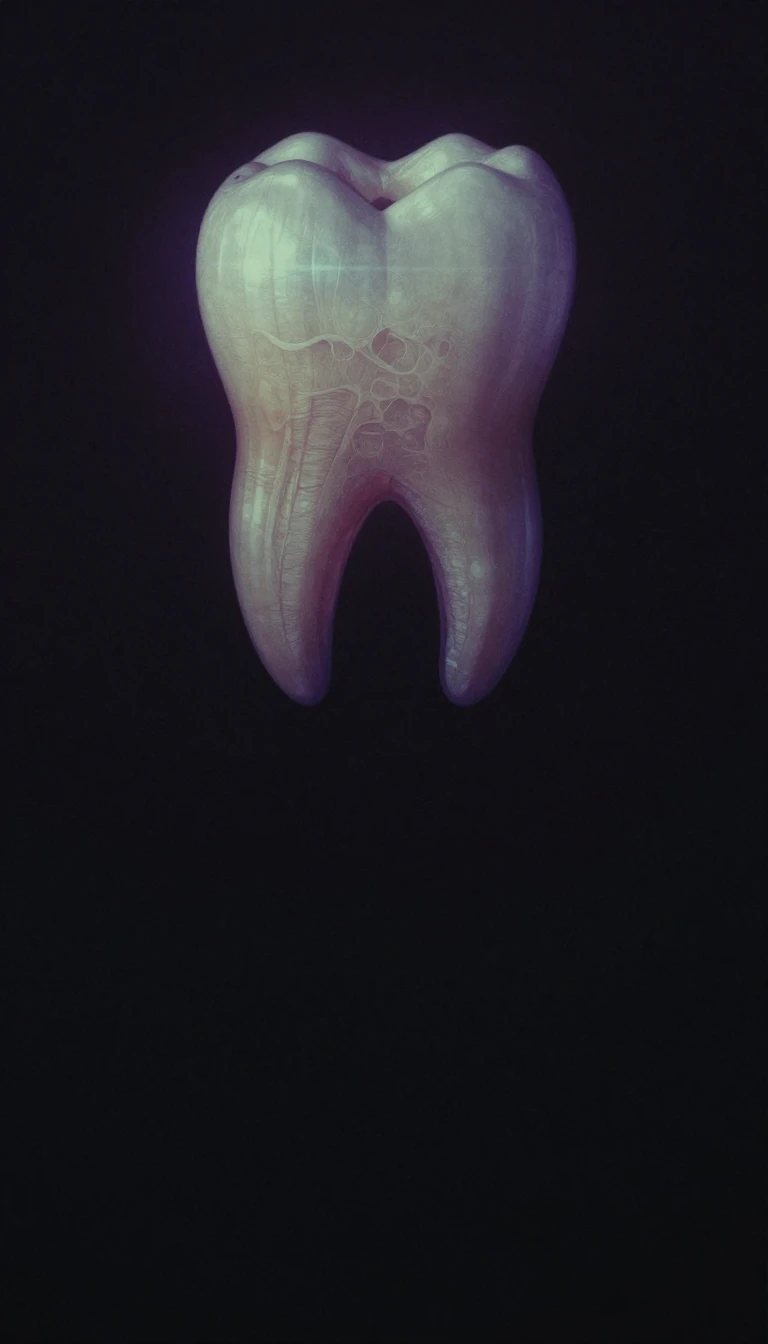 The ancient, long-lived architects hidden within your bonesDeep inside your mineralized skeleton lives a vast, communicating network of cells that can live as long as you do. These are osteocytes: the master regulators that sense every ph…
 Insects can bypass the speed limits of their own nervous systemsHow does a tiny fly beat its wings hundreds of times per second? The answer lies in a biological loophole: some insects have evolved muscles that trigger automatically. By decoupl…
 The architectural secrets hidden within a snail's spiral shellBeyond the simple spiral lies a complex biological fortress. From calcium-rich middle layers to protective protein coatings, the gastropod shell is a masterpiece of evolutionary e…
 The evolutionary gamble of changing your entire body shapeMost insects undergo a radical transformation, shifting from worm-like larvae to winged adults. This process, holometabolism, allows species to occupy different ecological niches,…
 Evolution is a master of 'jury-rigging' nature's existing toolsNature rarely builds from scratch. Instead, it often repurposes existing structures for entirely new roles. From bird feathers to the mammalian ear, many of our most complex biolo…
- Why being built from the inside out allows for giantsInvertebrates are often trapped by their own armor, forced to molt to grow. But the endoskeleton offers a different evolutionary strategy: a centralized, internal frame that suppo…
 Nature's master engineers build complex structures from raw mineralsFrom the calcium in your bones to the shells of ancient mollusks, life has spent 550 million years perfecting the art of biomineralization. It is not just random crystallization; …
 The tiny protein that signals when your heart muscle is failingTroponin is the gold standard for detecting heart attacks because it is unique to heart muscle cells. When these cells are damaged, troponin leaks into your bloodstream. By measur…
- The 80 bones forming your body's central core and protective armorYour axial skeleton is the primary structural foundation of your body. While your limbs provide movement, this central core of 80 bones serves as a high-security vault, shielding …
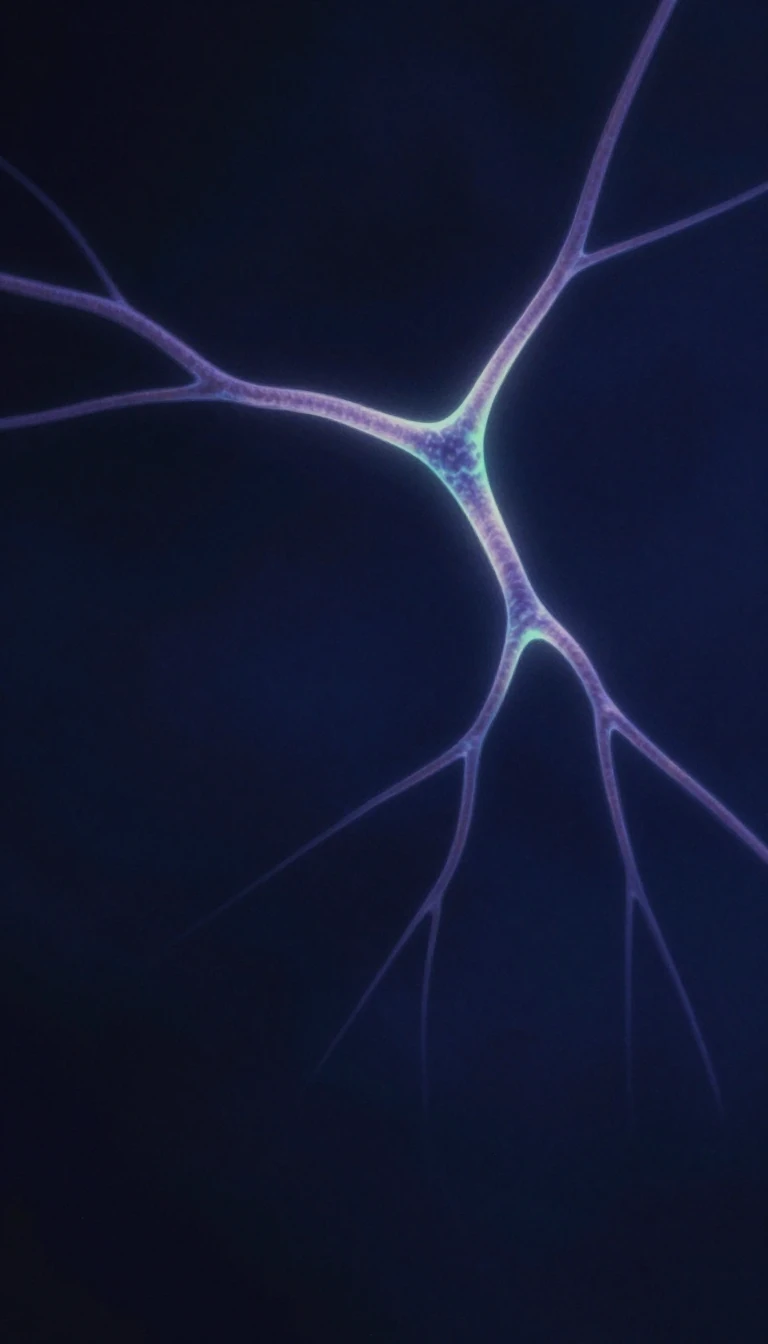 The protein that acts as a molecular gatekeeper for your musclesYour muscles don't just contract randomly; they require a sophisticated molecular lock. Tropomyosin is the protein responsible for this gatekeeping, ensuring your body only moves …
- The biological machinery that builds your skeleton from scratchYour body doesn't just grow bones; it manufactures them through two distinct biological pathways. Whether it is forming the flat plates of your skull or the long shafts of your li…
 Why your muscles are still working even when you're relaxingMost people think muscles only work when they contract to move a limb. In reality, your muscles are constantly managing your posture and internal systems. From the involuntary rhy…