The parasympathetic nervous system is the quiet architect of your body's long-term survival
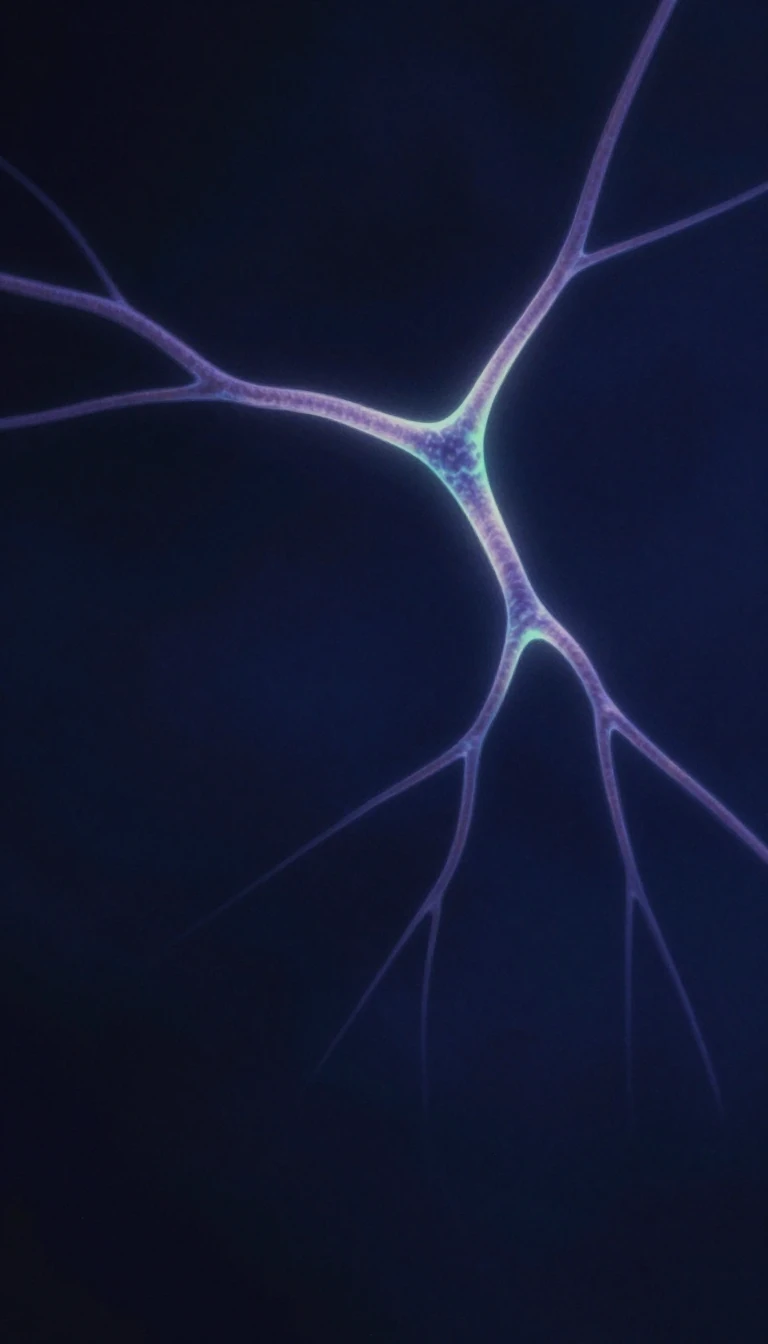
In short: While the sympathetic system handles fight-or-flight, the parasympathetic nervous system works in the background to manage rest-and-digest processes. It operates constantly, whether you are awake or asleep, to maintain internal balance. This system is essential for your long-term health, quietly regulating your body without requiring any conscious thought.
Often described as the body's rest-and-digest division, the parasympathetic nervous system (PSNS) functions as a crucial counterbalance to the sympathetic nervous system. While the sympathetic system triggers immediate fight-or-flight responses to acute stress, the PSNS focuses on energy conservation, metabolic storage, and the regulation of visceral organs like glands. It is not considered strictly essential for the maintenance of life in the same way the sympathetic system is, but it provides vital control over tissues that support daily homeostasis.
The system is organized through a two-neuron pathway consisting of preganglionic and postganglionic neurons. These neurons primarily use acetylcholine as a neurotransmitter to signal target organs. Anatomically, the system is characterized by craniosacral outflow, with nerve fibers originating in the brainstem or the sacral spinal cord. These fibers often travel to ganglia located near or even embedded within the target organs, such as the heart, trachea, or gastrointestinal tract, allowing for precise, localized control of functions like heart rate reduction and digestive secretion.
Beyond basic maintenance, the PSNS is a subject of developmental research. The adaptive calibration model suggests that stress response systems, including the PSNS, adapt to an individual's environment. A study of 320 mother-infant dyads, tracking development from 4 to 24 months, found that neighborhood structural disadvantage directly impacts initial levels of infant resting respiratory sinus arrhythmia—a marker of parasympathetic activity. While the exact pathways remain under investigation, these findings indicate that broader environmental factors influence the development of the stress response system in ways that extend beyond immediate parental influences.
Opens the Intellect+ feed with this card first. Swipe up for the next one.
Sources
- Summary by Intellect · source: Parasympathetic Nervous System (PSNS): What It Is & Function
- Also: Parasympathetic nervous system | Definition & Function | Britannica
- Also: Parasympathetic nervous system
- Also: The Influence of Neighborhood on Infant Parasympathetic Nervous System Development.
To cite this card, link to https://intellectplus.co.uk/app/health-parasympathetic-nervous-system.
How we source, check and correct cards: Editorial standards.
General information, not professional advice. Spotted an error? Flag the card or see corrections and complaints.
Intellect Plus is a visual educational discovery platform for exploring fascinating facts and ideas. Brain Food, Not Brain Rot. What is Intellect Plus?
Related
More in Anatomy and morphology · More in Health · Latest · A–Z · All topics
