The Buddha's body was a blueprint for kings and gods
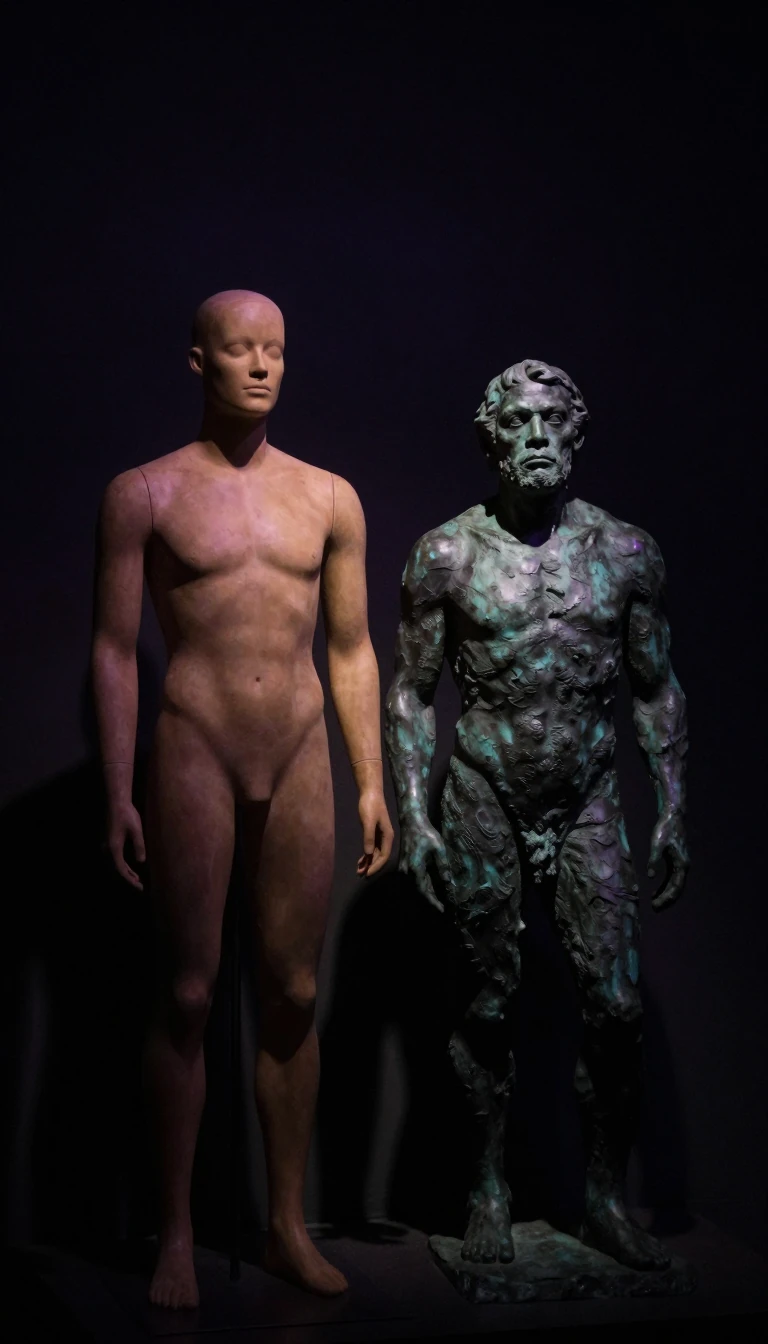
In short: Early Buddhist art was aniconic, avoiding physical images of the Buddha entirely. Instead, followers relied on a detailed list of 32 major and 80 minor physical characteristics. These marks weren't just descriptions; they were a sophisticated theological tool used to validate his status as a Great Man.
The physical description of the Buddha is rooted in the '32 signs of a Great Man' (mahāpuruṣa lakṣaṇa), a concept also applied to cakravartin kings. These characteristics include specific anatomical features like a lion-like torso, long fingers, and teeth like polished conches. In Mahāyāna Buddhism, these marks are associated with the sambhogakāya, or 'reward-body,' while the Buddha's physical form in the world is understood as the nirmāṇakāya, or 'transformation-body.'
The presence of these marks served a specific social and religious function. They were recognized by Brahmins trained in prognostication as a means of validating the Buddha's authenticity within a Brahminical framework. Interestingly, some early suttas suggest a lack of these marks in everyday life; for instance, in the Samaññaphala Sutta, protagonists could not recognize the Buddha among other monks, suggesting a more 'normal' physical appearance for the common observer.
The transition from aniconic symbols—like footprints or empty chairs—to actual statues occurred around the 2nd or 3rd century CE in regions like Mathura and Gandhara. Scholars like Bhikkhu Analayo suggest that some iconic features, such as webbed fingers or the fleshy protuberance of the head, may have originated as stylistic choices by stonemasons rather than direct scriptural requirements. For example, webbed fingers might have been a practical way to protect delicate stone carvings from damage.
While the 32 major marks are well-documented, the 80 minor characteristics (Anubyanjana) are more detailed bodily descriptions. These were adopted by both Mahāyāna and Theravāda traditions, though some scholars believe they were an early development primarily significant to the Sarvāstivāda school. These marks provide a vivid, almost supernatural portrait, including a halo of light extending two meters and the strength of 1,000 crore elephants.
Opens the Intellect+ feed with this card first. Swipe up for the next one.
Sources
- Summary by Intellect · source: Physical characteristics of the Buddha
To cite this card, link to https://intellectplus.co.uk/app/health-physical-characteristics-of-the-buddha.
How we source, check and correct cards: Editorial standards.
General information, not professional advice. Spotted an error? Flag the card or see corrections and complaints.
Intellect Plus is a visual educational discovery platform for exploring fascinating facts and ideas. Brain Food, Not Brain Rot. What is Intellect Plus?
Related
More in Cultures · Latest · A–Z · All topics
