While being Prussian constitutes an honour, it lacks any joy
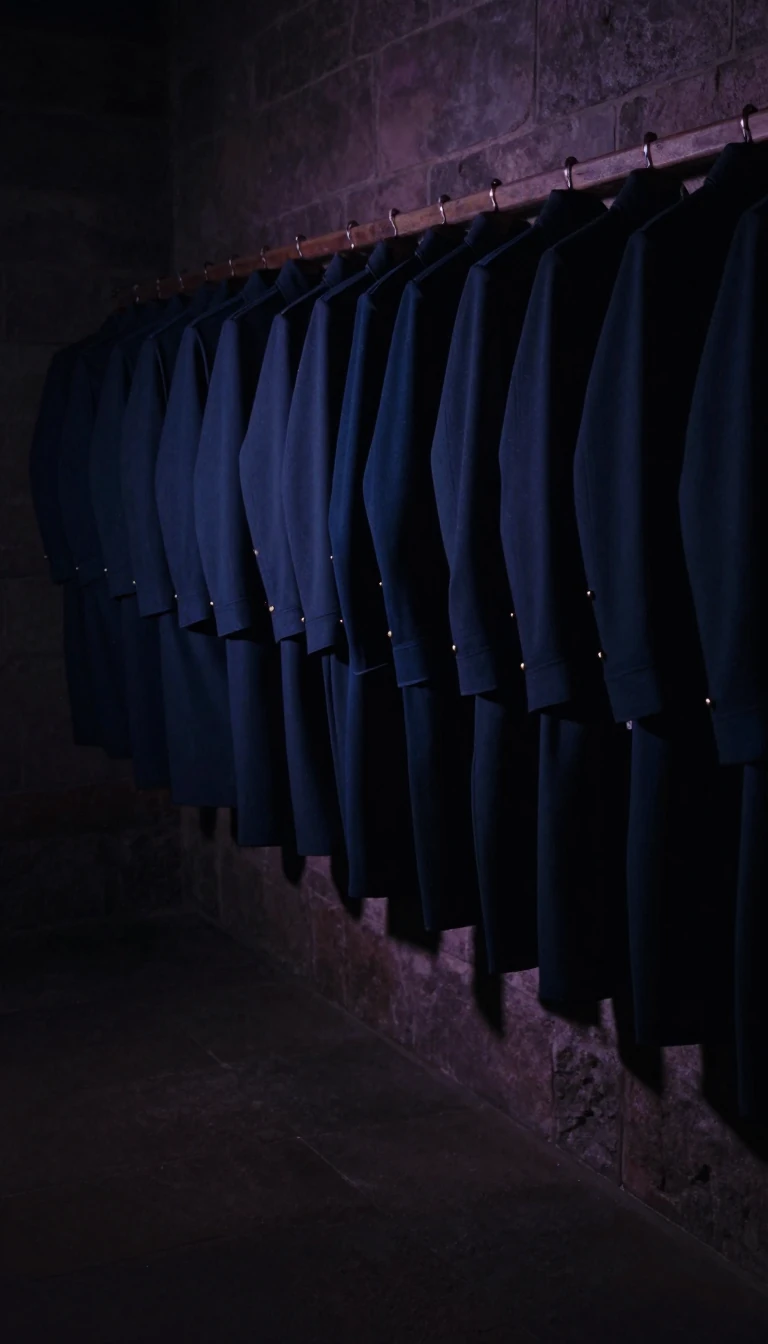
In short: The Prussian virtues were more than just military discipline; they were a complex social architecture built on the tension between religious piety and Enlightenment reason. These values combined Lutheran Pietism with bourgeois ideals to forge a unique identity where personal pleasure was sacrificed for state duty and collective honor.
The Prussian virtues (preußische Tugenden) emerged from a unique synthesis of historical forces. They were rooted in the militarism and ethical codes of the Prussian Army, but also drew heavily from bourgeois values like honesty and frugality. These were further shaped by Lutheran Pietism—which emphasized individual piety and an active Christian life—and the rationalist ideals of the Enlightenment.
The evolution of these virtues was marked by distinct leadership styles. King Frederick William I (r. 1713–1740) utilized Pietism to moderate religious tensions and promote social benefits like the Francke Foundation. In contrast, his son, Frederick the Great (r. 1740–1786), was an Enlightenment aesthete who championed reason and tolerance. Despite their differences, both monarchs contributed to a "patriotism of reason," transforming a resource-poor, devastated territory into a modern European power.
In the military sphere, these virtues manifested as a strict hierarchy demanding loyalty, self-denial, and "toughness" (Härte). This involved a rigorous self-discipline where the individual was expected to serve the state above personal desires. However, the legacy of these virtues is deeply contested. While some see them as the foundation of efficiency and reliability, others point to their role in facilitating atrocities. For example, Heinrich Himmler invoked Prussian "toughness" to transform psychologically stressful and morally reprehensible tasks into a perceived virtue for the SS.
Today, the term "Prussian virtues" carries mixed connotations in Germany. While the non-military aspects—discipline and diligence—remain respected, the militaristic traits of "blind obedience" (Kadavergehorsam) are often viewed with suspicion due to their historical association with the Nazi regime. The core of the Prussian ethos remains a paradox: a commitment to duty that is distinguished by its superiority over personal pleasure.
Opens the Intellect+ feed with this card first. Swipe up for the next one.
Sources
- Summary by Intellect · source: Prussian virtues
To cite this card, link to https://intellectplus.co.uk/app/health-prussian-virtues.
How we source, check and correct cards: Editorial standards.
General information, not professional advice. Spotted an error? Flag the card or see corrections and complaints.
Intellect Plus is a visual educational discovery platform for exploring fascinating facts and ideas. Brain Food, Not Brain Rot. What is Intellect Plus?
Related
More in Hygiene · More in Health · Latest · A–Z · All topics
